TL;DR
- Monthly leases offer flexibility, while fixed-term leases provide long-term stability and predictable income.
- Provincial laws dictate how leases renew, with many fixed-term contracts automatically transitioning to month-to-month after expiration.
- Rent increases are strictly regulated across Canada, generally limited to once every twelve months regardless of the lease type.
- Breaking a fixed-term lease early can lead to significant financial liability, whereas monthly tenancies allow for termination with standard notice.
- Ziji Legal Forms simplifies the process by providing residential lease templates that ensure your lease is legally compliant and includes all necessary terms.
Selecting the appropriate tenancy structure in Canada requires navigating a complex environment of provincial regulations. Landlords and tenants must choose between a rolling periodic contract and a fixed-term commitment, both of which carry unique legal obligations. This decision impacts everything from financial planning to personal mobility, making it essential to choose wisely. By utilizing a professionally drafted Residential Lease Agreement template, parties can establish clear boundaries that protect their interests. Let us examine the defining features of these two primary lease structures.
Canadian residential tenancy laws place a strong emphasis on consumer protection. Unlike other countries where a landlord can end a tenancy simply because a contract expires, Canadian jurisdictions generally support the tenant's security of tenure. Properly documenting this choice is the first step toward a successful and legally compliant rental relationship under provincial acts.
Understanding the Two Lease Types
Defining Monthly Rental Agreements
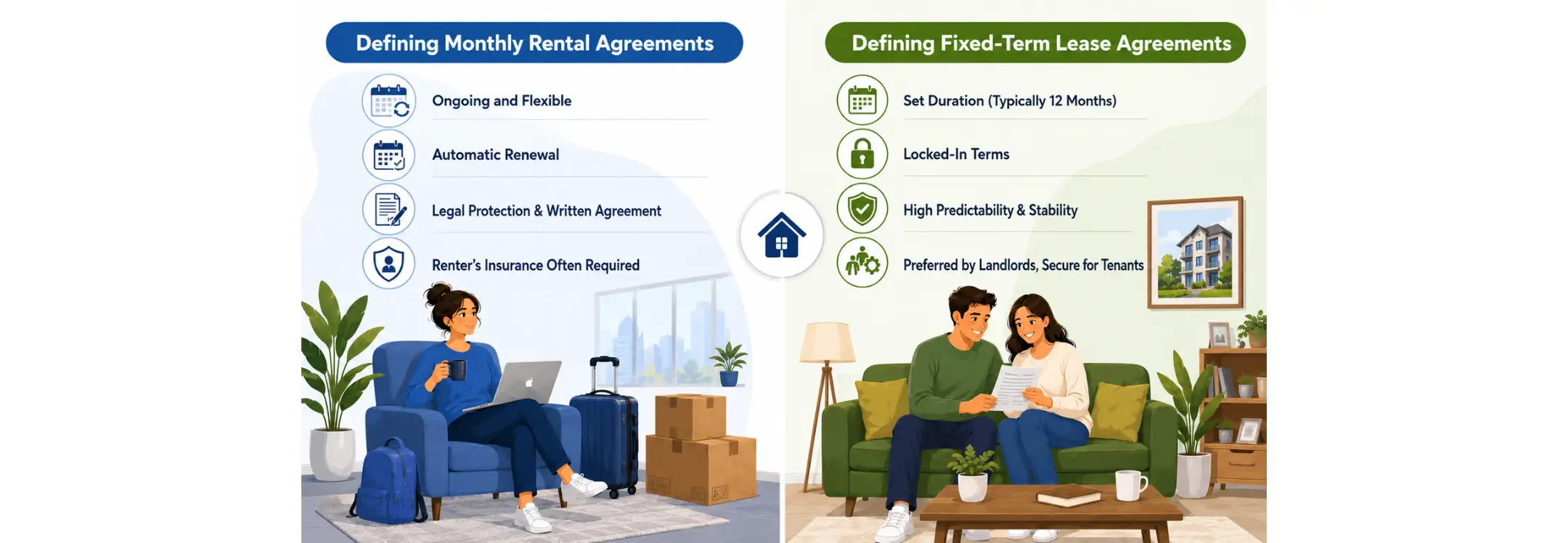
A Monthly Residential Lease Agreement is a periodic tenancy that operates on a continuous, rolling basis without a predetermined end date. The contract automatically renews at the end of each rental period, typically the first of the month, until either party delivers proper written notice. Rent remains due on the same day as established in the original contract. This structure offers excellent flexibility for individuals requiring short-term housing due to career changes or personal transitions.
While highly flexible, monthly contracts still carry substantial legal weight. Verbal arrangements are discouraged due to the difficulty of proving terms in disputes. An Online Residential Agreement Lease provides a vital paper trail, defining utility responsibilities, maintenance obligations, and tenant insurance requirements. Renter's insurance is often required by landlords to protect personal liability and safeguard belongings even in periodic arrangements.
Defining Fixed-Term Lease Agreements
A Fixed Term Residential Lease Agreement commits both parties to a specific duration, most commonly twelve months. This contract clearly specifies the start and end dates of the active rental period. During this term, all lease conditions and financial terms are legally locked in, preventing unilateral alterations or early terminations without mutual consent or severe lease breaches. This rigidity ensures high predictability for both parties.
Landlords prefer fixed-term contracts because they guarantee consistent rental income and minimize the high costs of tenant turnover, such as cleaning and advertising. Tenants benefit from knowing their housing is secure and their rent cannot be raised unexpectedly during the active term. To establish these firm legal boundaries, parties should Create Residential Agreement Lease documents that align with provincial guidelines.
Legal Enforceability and Renewal Rules
Tenancy contracts behave differently when a lease reaches its natural expiration. Because residential tenancies are governed by provincial acts rather than a unified federal code, renewal rules vary significantly across Canada. Understanding how a contract transitions is essential for avoiding costly disputes. A close analysis of Monthly vs Fixed Term Residential Lease Agreement dynamics reveals how different jurisdictions handle these critical milestones.
In addition to renewal rules, landlords and tenants must navigate strict provincial regulations surrounding financial deposits. Ontario limits deposits strictly to last month's rent, while British Columbia caps security deposits at half of one month's rent. Alberta allows a maximum of one full month's rent, whereas Quebec prohibits deposits entirely. These provincial variations dictate the upfront capital required when entering a lease.
Month-to-Month Leases
Month-to-month tenancies are fully protected under provincial residential tenancy acts, meaning they are far from temporary or unstable. In provinces such as Ontario, a landlord cannot terminate a periodic tenancy simply because a year has passed. The agreement continues indefinitely under the same terms until the tenant decides to vacate or the landlord establishes a legally valid cause for eviction.
However, periodic tenancies expose tenants to the risk of landlord-use evictions. Under provincial laws, a landlord can legally end a monthly agreement if they, or a close family member, genuinely intend to occupy the unit. In British Columbia, this requires serving a two to four months notice period, while Ontario requires sixty days. These no-fault evictions can only occur after any initial fixed term has expired.
Fixed-Term Leases
A common surprise for many is that a fixed-term lease does not automatically end when the agreed date arrives. In Ontario and British Columbia, the law dictates that once a fixed term expires, the tenancy automatically transitions into a month-to-month arrangement under the same terms. Landlords in these provinces cannot force tenants to sign a new fixed-term contract.
Conversely, other provinces follow entirely different renewal mechanisms. In Alberta, a fixed-term lease ends automatically on its expiration date, meaning the tenant must move out unless a new agreement is signed. Quebec leases renew automatically for the same duration up to one year, unless the tenant sends a written non-renewal notice three to six months in advance. Saskatchewan requires landlords to serve a notice of intention two months before the lease ends.
Overview of Common Scenarios Each Suits Best
Selecting the correct agreement model requires analyzing the landlord's property goals and the tenant's current lifestyle. Both frameworks serve distinct purposes and offer unique legal advantages depending on the situation. By understanding these practical scenarios, both parties can negotiate an arrangement that balances financial stability with personal freedom.
When Monthly Agreements Work Best
Monthly tenancies are highly suitable for individuals who value short-term adaptability and personal mobility. Students, contract employees, and professionals on temporary relocation assignments often prefer this model because it accommodates their changing schedules. It is also highly beneficial for newcomers to Canada who want to experience a neighborhood before committing to a long-term lease.
For property owners, a monthly agreement is ideal if they plan to sell the property, perform extensive renovations, or move into the home themselves in the near future. Terminating a periodic tenancy for these reasons is legally straightforward once the proper notice is delivered. This flexibility allows landlords to respond quickly to market changes without being locked into a rigid twelve-month contract.
When Fixed-Term Agreements Are Preferable
Fixed-term contracts are the preferred choice for tenants seeking long-term stability and protection against sudden housing displacement. Locking in a twelve-month term ensures that the rent remains unchanged and shields the tenant from no-fault evictions during that period. This predictability is incredibly valuable in highly competitive Canadian rental markets where vacancy rates are low.
Landlords favor fixed-term leases because they secure a guaranteed stream of monthly income and significantly reduce the administrative and physical costs of tenant turnover. Frequent move-outs lead to increased wear and tear on the property, as well as high advertising costs to find new occupants. A stable, long-term tenant provides peace of mind and satisfies the consistent cash flow requirements often demanded by mortgage lenders.
Commitment Length and Flexibility
The fundamental difference between these two lease styles lies in the delicate balance of commitment and flexibility. A monthly agreement offers outstanding freedom, allowing a tenant to terminate the contract and relocate with relatively short notice, which is typically one to two months depending on the province. This allows tenants to respond quickly to unexpected career advancements, family emergencies, or shifting financial realities.
Conversely, a fixed-term lease represents a serious legal and financial obligation. If a tenant decides to break the lease early, they can be held liable for the rent due until the contract expires or a suitable replacement tenant is found. Although landlords are legally required to mitigate their losses by actively trying to re-rent the unit, the dispute resolution process can still be stressful and costly for both parties.
Rent Change Rules and Notice Periods
Rent increases are highly regulated across Canada to protect tenants from predatory pricing. Regardless of whether a tenancy is structured as a monthly or a fixed-term contract, nearly all provinces mandate that rent can only be increased once every twelve months for the same tenant. This strict rule prevents landlords from applying multiple rent increases within a single year.
However, the specific notice periods and percentage caps vary significantly by province. Ontario and Manitoba require ninety days of written notice, capping increases at an annual guideline, while British Columbia requires three full months of notice. In contrast, provinces like Alberta have no rent control caps, allowing landlords to raise rent to market rates once a year, provided a three-month written notice is served.
How Ziji Legal Forms Helps you create a Monthly or Fixed Term Lease
1. Choose a template
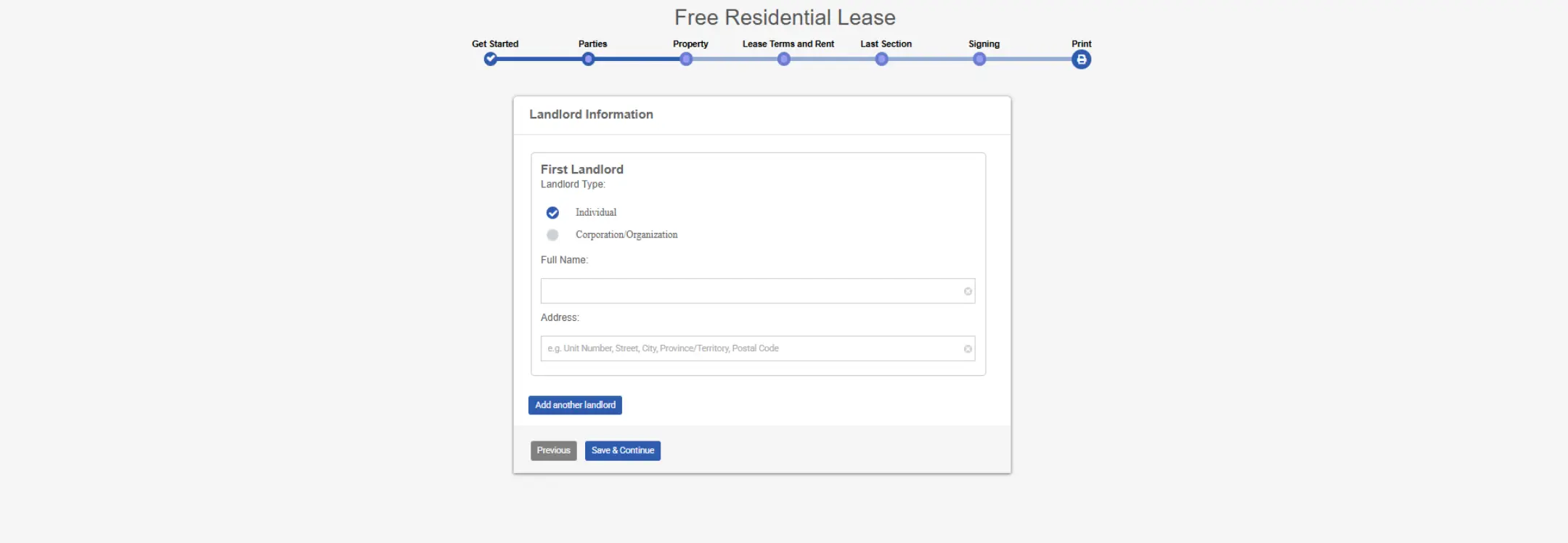
2. Add the party details
Input the full legal names and official contact details of both the landlord and the tenants.
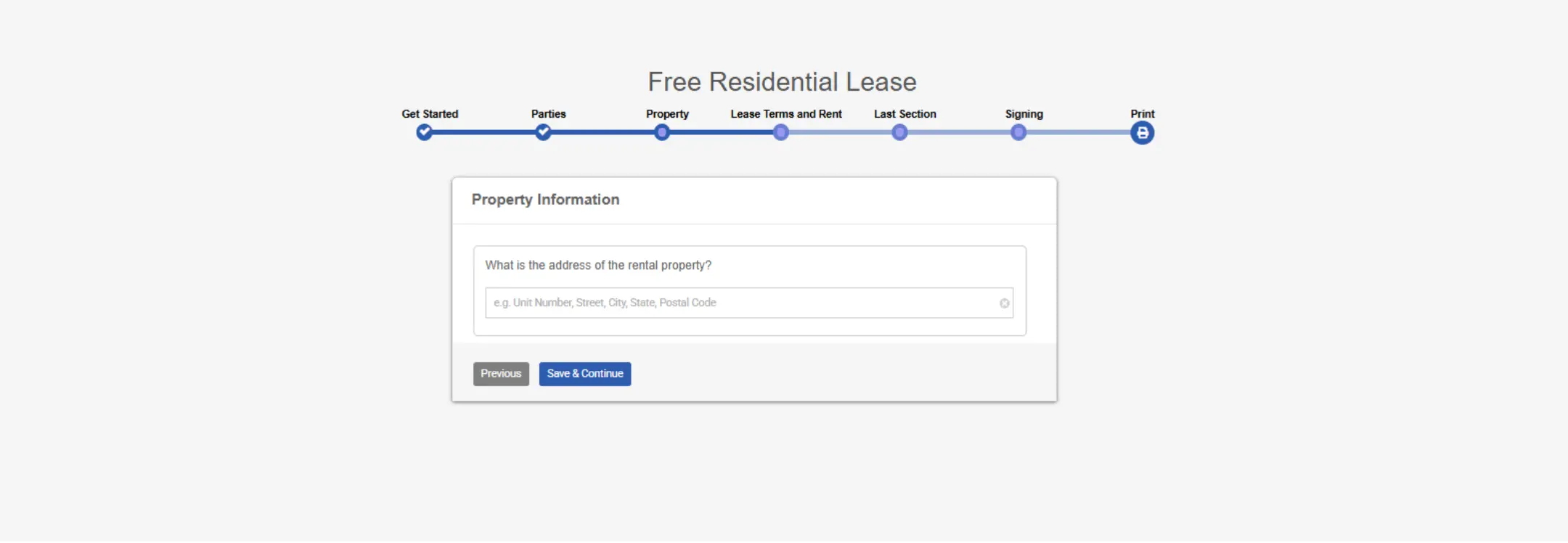
3. Add the property details
Record the exact civic address and specific boundaries of the rental unit to prevent future physical property disputes.
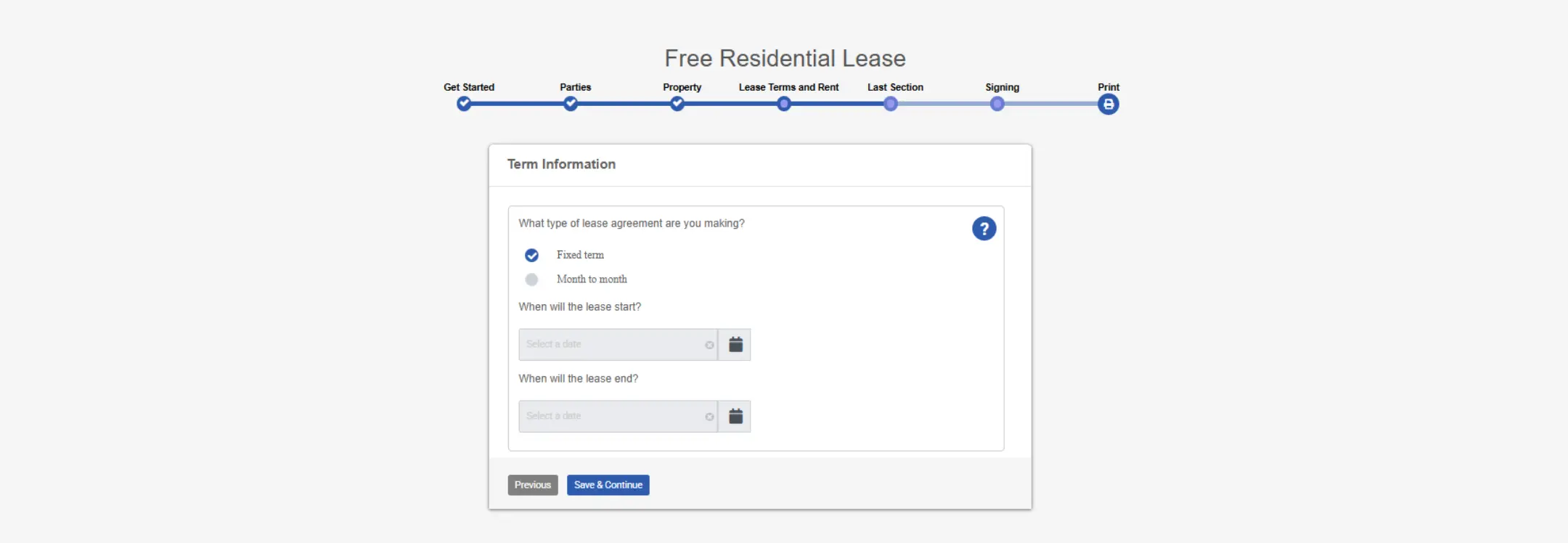
4. Add the lease term and rent details
Define the rental payment amount, due dates, and whether the arrangement is a monthly or fixed-term tenancy.
5. Preview and print
Review the completed Online Residential Agreement Lease for accuracy before printing and executing the document.
Conclusion
Choosing between a monthly and a fixed-term tenancy requires a careful evaluation of personal flexibility versus long-term financial stability. Canadian provincial laws heavily regulate both options, ensuring that tenants enjoy strong security of tenure regardless of the chosen contract structure.
While fixed-term agreements secure predictable income for landlords and stable housing for tenants, monthly arrangements offer excellent agility for transient lifestyles. Understanding automatic transition rules and strict rent control timelines across different provinces is essential for maintaining legal compliance. Utilizing a specialized tool to Create Residential Agreement Lease options helps avoid costly disputes down the road. Ultimately, a well-drafted contract serves as the foundation for a harmonious landlord-tenant relationship across Canada.
Also read: 4 Common Mistakes made by Landlords while creating a residential lease agreement and how to avoid them.
Residential Lease FAQs
1. What is the purpose of a Residential Lease?
Its purpose is to establish the legal rights and responsibilities of both the landlord and tenant during a residential tenancy.
2. Why should landlords and tenants sign a written lease?
A written lease provides clear evidence of the agreed terms and helps avoid misunderstandings or disputes.
3. Which type of lease is better?
The right option depends on your needs. Fixed-term leases provide stability, while periodic tenancies offer greater flexibility.
4. Can a tenant sublet the rental property?
Subletting depends on the lease terms and the laws of the applicable province or territory. In many cases, the landlord's consent is required.
5. Can a Residential Lease continue after the original term ends?
Yes. Depending on the agreement and local laws, it may convert to a periodic tenancy or be renewed for another fixed term.
6. Can the Ziji Legal Forms Residential Lease be used anywhere in Canada?
The Ziji Legal Forms Residential Lease can be used in all supported Canadian provinces and territories.
Author
Mandar Sonavane
|
Legal Content Writer at Ziji Legal Forms Inc.
Symbiosis International University
Mandar is a legal content writer specializing in the development of clear, practical, and easy-to-understand legal resources. With a strong focus on legal research, content creation, and plain-language writing, he works closely with our legal professionals to ensure that legal documents and educational materials are accurate, accessible, and user-friendly. At Ziji Legal Forms Inc., Mandar is responsible for researching legal topics, drafting and reviewing content, and helping transform complex legal concepts into straightforward guidance that empowers individuals and businesses to confidently navigate their legal needs.
Reviewed By
Histon Shek
|
General Counsel and Co-Founder at Ziji Legal Forms Inc.
University of Alberta
Histon Shek was called to the Alberta Bar in 2006. He holds a BA in Sociology and Philosophy and an LLB from the University of Alberta. As co-founder of Ziji Legal Forms Inc., he focuses on making legal documents accessible and affordable, overseeing legal integrity and content development.








 Canada
 United States