TL;DR- Generic templates often include unenforceable clauses that Canadian administrative boards will simply strike out during a dispute.
- Vague rent terms or checking the wrong utility boxes can lead to thousands of dollars in unintended costs over the life of a tenancy.
- Landlords frequently overlook mandatory requirements such as providing a signed copy of the agreement within twenty-one days or honoring the automatic transition to month to month status.
- Illegal clauses regarding pets or guest restrictions are void from the start and can lead to significant fines or rent abatements if enforced.
- You can create a legally valid document using Ziji legal forms' residential lease template
Introduction: Why Residential Lease Accuracy Matters
The Canadian residential rental market is governed by a complex web of provincial statutes and local regulations that prioritize the protection of housing as a fundamental right. Unlike commercial contracts where two business entities have broad freedom to negotiate terms, a Residential Lease in Canada is strictly regulated to ensure fair treatment of tenants. This regulatory environment means that the accuracy of a residential agreement is not merely a matter of administrative preference but a legal necessity for the protection of the investment of the property owner.
Every province has its own version of a Residential Tenancies Act which sets a baseline for behavior and financial transactions. These laws are designed to be non negotiable. This means that even if a tenant agrees to a term that contradicts the law, that term is legally void and cannot be enforced by any court or tribunal. For a landlord, an inaccurate lease creates a false sense of security while leaving them vulnerable to significant financial penalties and the inability to manage their property effectively.
Accuracy also dictates the smooth operation of a rental business. In an era where online transactions and digital documentation are the norm, an Online Residential Lease must be robust enough to stand up to the scrutiny of administrative bodies like the Landlord and Tenant Board or the Residential Tenancy Branch. When a lease is drafted with precision, it sets clear expectations for both parties, reducing the likelihood of conflict and ensuring that the landlord can enforce their rights regarding rent collection and property maintenance.
The transition to standard lease forms in several major Canadian jurisdictions highlights the push for transparency. For instance, the introduction of mandatory forms in provinces like Ontario was intended to eliminate the very Residential Lease Mistakes that this blog aims to address. By using a well researched Residential Lease template that adheres to modern Canadian standards, a landlord can avoid the pitfalls of outdated language and illegal provisions.
The Evolution of Canadian Tenancy Law
Historically, rental agreements were governed by common law principles that favored the freedom of contract. However, modern Canadian law has shifted toward a consumer protection model. This shift recognizes the inherent power imbalance between a landlord who owns a vital resource and a tenant who needs shelter. Consequently, the statutes now provide for something called security of tenure, which means a tenant cannot be evicted simply because a lease has ended.
Understanding this evolution is critical for any modern landlord. If the lease does not accurately reflect this statutory reality, the landlord may find themselves in a perpetual legal battle. The accuracy of the lease ensures that the landlord knows exactly which mechanisms are available for ending a tenancy, increasing rent, or accessing the unit for repairs. Without this foundation, the landlord is essentially operating in the dark, risking their capital and their reputation in the local market.
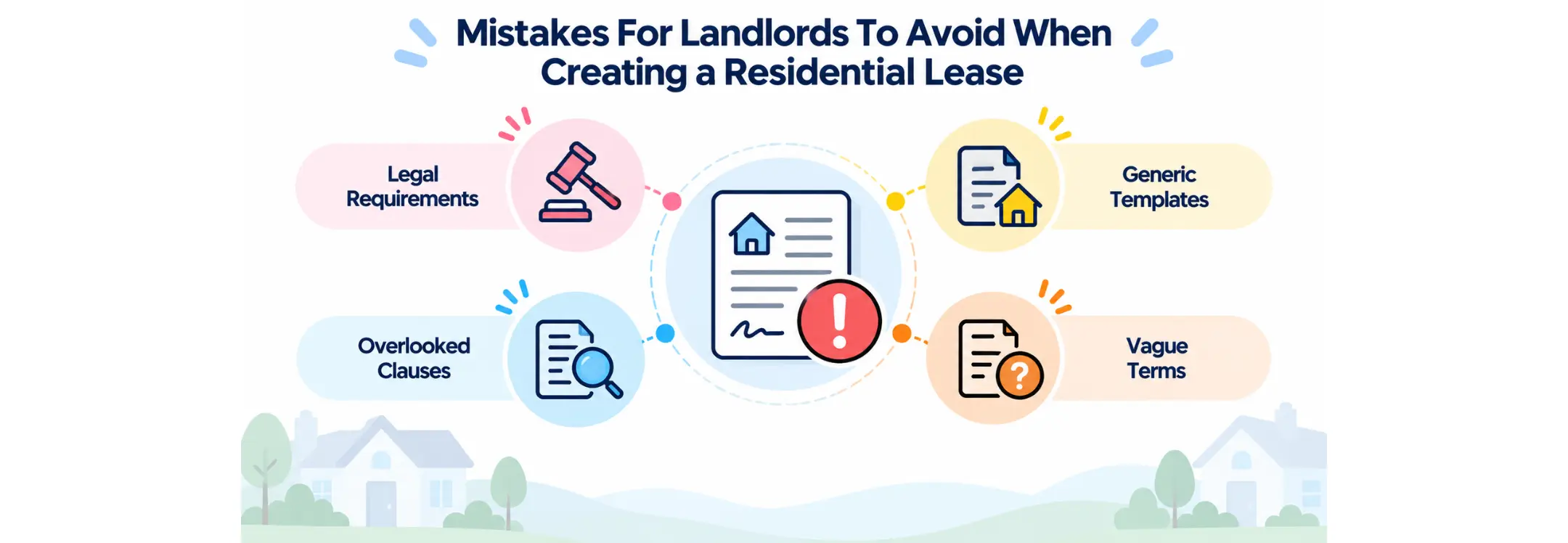
Mistake #1: Using Generic or Outdated Lease Templates
A pervasive error among property owners is the reliance on generic lease forms found through simple internet searches. These documents are often designed for the American market or use antiquated language that has not been updated to reflect current Canadian provincial statutes. In Canada, the law is exceptionally specific about what must be included in a lease. For example, many provinces now mandate the use of a standard form that contains specific disclosures about tenant rights and the contact information for the landlord.
How Generic Templates Fail
Generic templates frequently fail because they attempt to apply a one size fits all approach to a highly localized legal environment. A template that works in one jurisdiction might contain clauses that are considered a substantial breach of the law in another. For instance, many generic forms include a right of the landlord to enter the premises at any time for any reason. In Canada, this is a violation of the statutory right to quiet enjoyment and privacy.
Another common point of failure is the inclusion of "no pet" or "no guest" clauses. While these might be standard in other parts of the world, they are largely unenforceable in major Canadian provinces like Ontario. A generic template that includes these prohibitions gives the landlord a false impression of their authority. When a tenant inevitably brings in a pet or a long term guest, the landlord discovers too late that they have no legal ground to stand on, often leading to frustrated relationships and wasted legal fees.
Furthermore, generic templates often miss the required administrative details that trigger certain landlord rights. If a lease does not include the correct legal names of the parties or the required address for service, the landlord may be unable to properly serve legal notices for rent increases or evictions. In some cases, the absence of a required standard form allows the tenant to withhold rent or even terminate their tenancy earlier than the agreed term.
The Risk of Outdated Language
Tenancy laws in Canada are updated frequently to address emerging issues like cannabis legalization, the rise of short term rental platforms, and new human rights protections. An outdated Residential Lease template may not address the right of the landlord to prohibit smoking or growing cannabis on the premises, which is a right granted by recent federal and provincial changes. Without these specific clauses, a landlord may find it difficult to stop activities that could damage the property or disturb other occupants.
Outdated forms also fail to account for the modern requirement of electronic service. Many provincial boards now allow for the service of legal documents via email, but only if the lease specifically provides for it and includes the email addresses of both parties. Using an old form that only lists a physical mailing address can delay legal processes by weeks or months, especially if a tenant is evading personal service.
Mistake #2: Vague Rent and Payment Terms
Financial clarity is the most important aspect of a Residential Lease in Canada. Vague payment terms are a primary source of conflict and can result in significant financial loss for the property owner. This includes ambiguity regarding the exact amount of rent due, the day it must be paid, and what specific services are included in that price. In a high inflation environment, even small errors in how rent is defined can compound over time, making the investment less profitable than intended.
Consequences of Unclear Payment Provisions
One of the most expensive errors a landlord can make is checking the wrong box in the utilities section of a standard lease. Many provincial forms require the landlord to specify whether heat, water, and electricity are included in the rent. If a landlord intends for the tenant to pay for utilities but accidentally checks the box indicating they are included, they are legally bound to provide those services for free for the duration of the tenancy. This mistake has been known to cost landlords thousands of dollars per year.
Vagueness also extends to the method of payment. While a landlord might prefer a specific method like an e-transfer or a post dated cheque, they generally cannot mandate these methods in Canada. A lease that demands a specific and restricted payment method can be challenged. A better approach is to list several acceptable methods while ensuring the due date is clear. If the lease says the rent is due on the first of the month, the landlord can take immediate action if it is not received by that date.
Furthermore, failing to define what constitutes a late payment can hamper collection efforts. While some provinces have strict rules about late fees, having a clear clause that outlines the consequences of late payments, such as the issuance of a notice to end tenancy, can encourage on time behavior. Without this clarity, a tenant might assume there is a grace period that does not actually exist under the law.
The Complexity of Rent Control and Increases
In many parts of Canada, rent increases are strictly regulated by annual guidelines set by the provincial government. A lease that suggests a landlord can increase the rent at their own discretion is illegal and unenforceable. A landlord must understand that they can generally only increase the rent once every twelve months and must provide at least ninety days of written notice using a specific provincial form.
Failure to follow these rules exactly can result in the rent increase being declared void. If a tenant discovers years later that their rent was increased illegally, the landlord may be ordered to pay back all the excess rent collected. This illustrates the importance of a lease that properly references the provincial rent increase guidelines and the required notice periods. Professional landlords should never rely on verbal agreements or informal emails to change the rent amount.
Mistake #3: Overlooking Key Clauses
A residential lease is often the only defense a landlord has when a relationship with a tenant sours. Overlooking critical clauses is a common error that leaves the landlord with no legal recourse when issues arise. These clauses cover a wide range of topics, from maintenance responsibilities and insurance requirements to the rules regarding subletting and assignment. In the Canadian context, these clauses must be drafted with an awareness of the provincial statutes to ensure they are actually enforceable.
Essential Clauses to Include
Maintenance is a frequent area of dispute. While the landlord is legally responsible for structural integrity and vital services, a lease should clearly outline the duty of the tenant to maintain ordinary cleanliness and repair any damage caused by their own negligence. Without a specific clause detailing how maintenance requests should be submitted, a landlord might face claims of neglect simply because they were never properly informed of a problem in writing.
Insurance is another key area often overlooked. A landlord should always include a clause requiring the tenant to maintain liability insurance. While a landlord cannot usually force a tenant to get contents insurance, requiring liability insurance protects the landlord in case the tenant accidentally causes a fire or flood that damages other units in the building. This clause is a vital risk management tool that can save a property owner from catastrophic financial loss. Subletting and assignment are rights that tenants have in most of Canada, but they are not absolute. A landlord should include a clause that requires the tenant to obtain written consent before allowing anyone else to take over the unit. While the landlord cannot unreasonably refuse, having a formal process outlined in the lease ensures that the landlord can conduct a proper screening of the new occupant.
The Significance of Quiet Enjoyment
One of the most important clauses relates to the right to quiet enjoyment. This is not just about noise; it is a broad right that protects the tenant from any interference with their ability to live in their home peacefully. A lease should specify the rules regarding noise, smoking, and common area usage to define what constitutes an interference.
When these rules are clearly stated, the landlord has a much easier time enforcing them. If a tenant consistently throws loud parties or smokes in a non smoking building, the landlord can use the specific lease clause as evidence in an eviction proceeding. Without these details, the definition of a disturbance can become subjective, making it very difficult for an administrative board to side with the landlord in a dispute.
Mistake #4: Failing to Address Legal Requirements
Canadian tenancy laws are not suggestions; they are strict requirements that carry heavy penalties for non compliance. One of the most common Residential Lease Mistakes is failing to provide the tenant with a signed copy of the lease within the required time frame. In several provinces, including Ontario and British Columbia, the landlord must provide a copy of the signed agreement to the tenant within twenty-one days. Failure to do so can allow the tenant to withhold one month of rent permanently.
Critical Legal Provisions
Privacy is another area where many landlords fail to follow the law. A landlord must provide at least twenty-four hours of written notice before entering a rental unit for any non emergency reason. This notice must specify the reason for entry and the time, which must be during reasonable hours. A lease that suggests a landlord can enter at any time is a major red flag that will likely result in a tribunal ruling against the landlord if a conflict arises.
Human rights are also a core component of Canadian residential law. Landlords are prohibited from discriminating against potential tenants based on race, religion, sex, age, disability, or family status. A lease cannot contain clauses that restrict a tenant from having children or that treat them differently based on their source of income, such as social assistance. Understanding these protections is essential for creating a lease that is both ethical and legal.
Security of tenure is perhaps the most surprising legal requirement for new landlords. In Canada, a lease does not automatically end on the end date listed in the contract. Instead, it automatically renews as a month to month periodic tenancy unless the tenant gives notice to leave or the landlord has a legally valid reason for eviction. A lease that attempts to force a tenant out at the end of a year without a valid reason under the act is legally void and will not be enforced by a tribunal unless the lease is in Alberta, Saskatchewan, New Brunswick and Newfoundland.
The Mandatory Nature of Standard Forms
In provinces that have adopted a standard lease, using any other form is considered a legal error. If a landlord fails to provide the mandatory standard lease when requested, the tenant may have the right to terminate their tenancy with sixty days of notice, even if they are in the middle of a fixed term. This makes the use of a compliant Residential Lease template a critical step in maintaining a stable rental property.
These standard forms are designed to ensure that the basic rights of both parties are clear. They include sections for all the critical information, such as the contact details for the landlord, which is a requirement that is often overlooked in informal agreements. By adhering to these legal requirements, a landlord demonstrates professionalism and ensures that their contract is a powerful tool for protecting their investment.
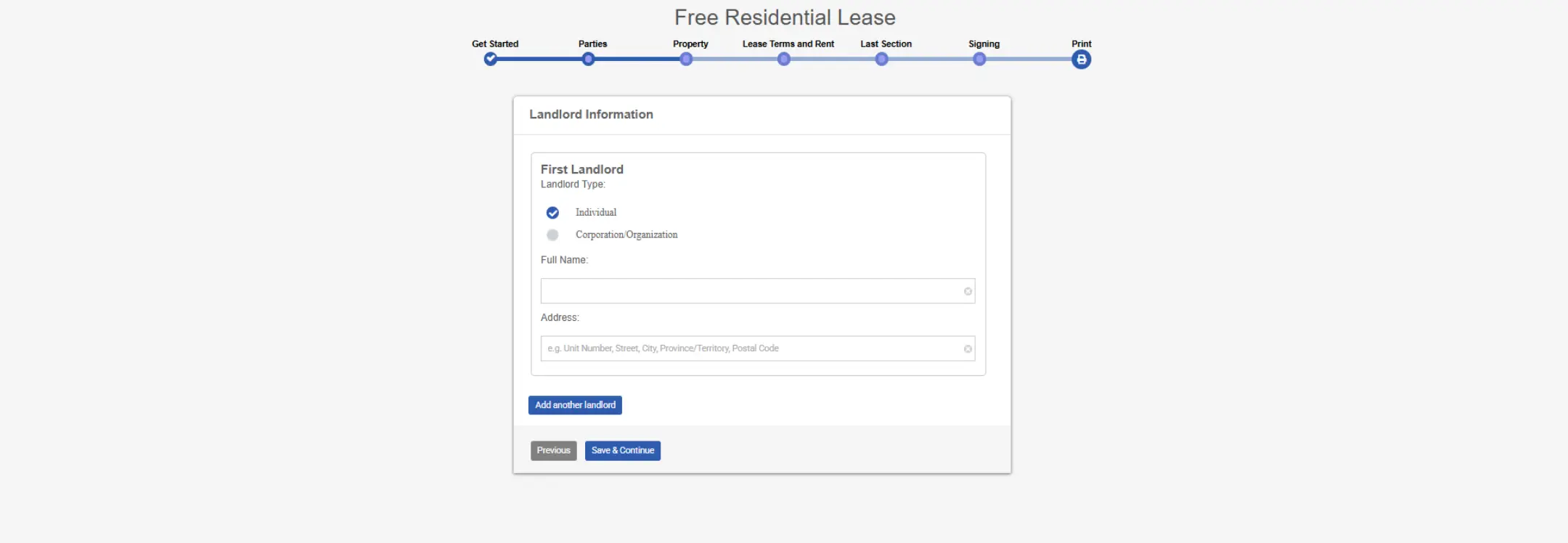
How to Create a Lease Using Ziji Legal Forms
1. Choose Template
2. Add Party Details
Enter the full legal names and contact details for every landlord and tenant participating in the agreement.
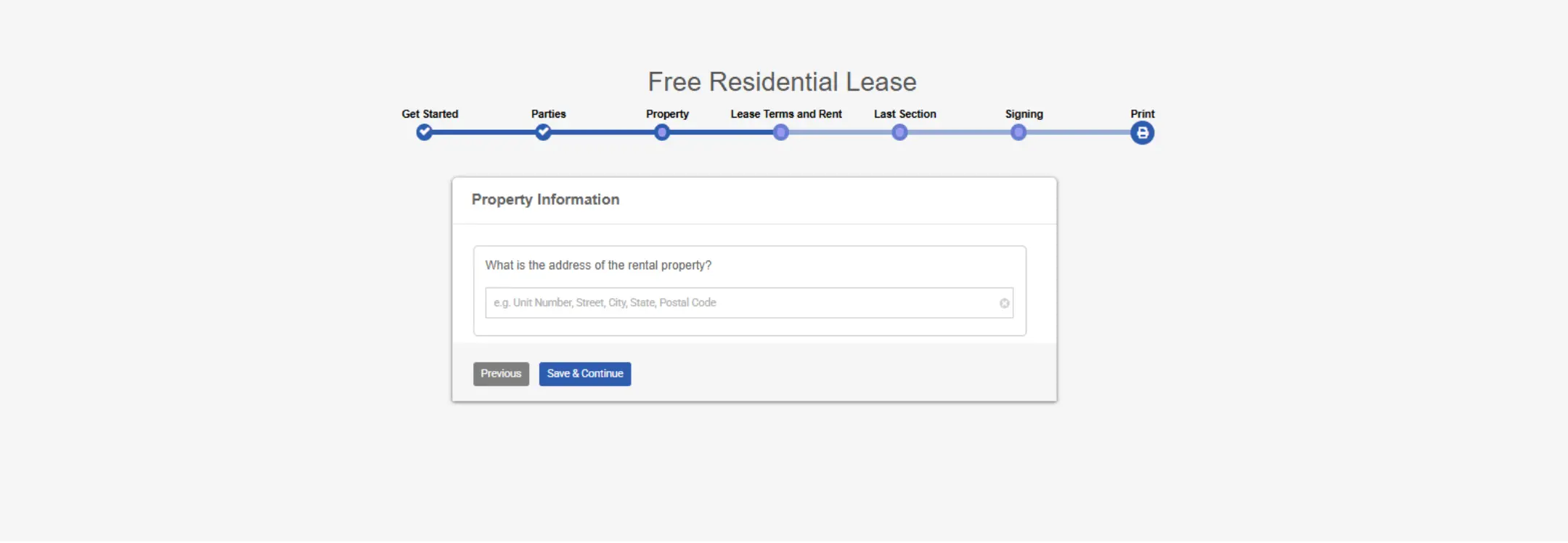
3. Add Property Details
Provide a thorough description of the premises including the civic address and any included parking or storage units.
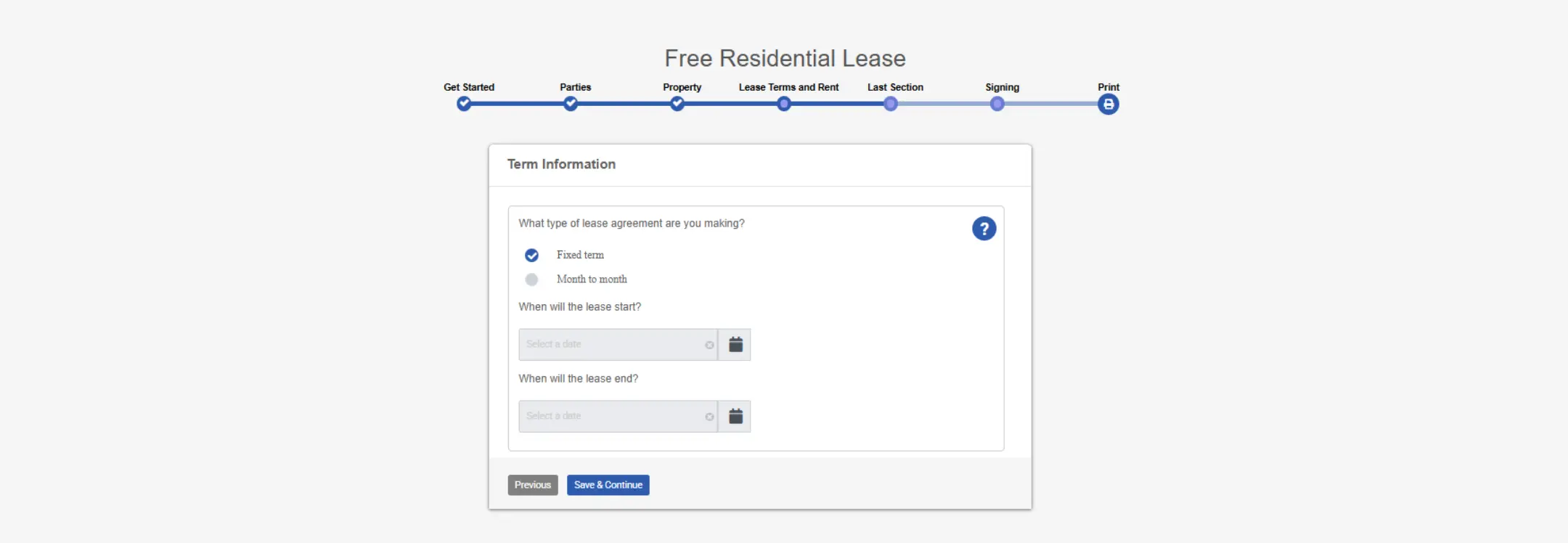
4. Add Lease Term And Rent Details
Outline the financial terms by specifying the rent amount along with the payment frequency and lease start date.
5. Preview And Print
Generate a high quality preview of the completed residential lease before downloading it for signature and execution.
Benefits of Using Ziji Legal Forms
Using Ziji Legal Forms offers peace of mind by ensuring that your agreement is compliant with current Canadian laws. The platform guides you through the process of including all mandatory provincial terms, which is the best way to avoid the common Residential Lease Mistakes mentioned above. It eliminates the risk of using illegal or outdated language that could lead to financial penalties or unenforceable clauses. By creating an Online Residential Lease through a trusted professional service, you protect your property investment and establish a clear, professional relationship with your tenants from day one.
Conclusion
A well crafted residential lease is the cornerstone of a successful rental property investment in Canada. By ensuring accuracy and avoiding illegal terms, landlords can build a foundation of trust and transparency with their tenants while protecting their own financial interests. Utilizing a professional Residential Lease template and following legal requirements for entry, rent increases, and lease delivery will ensure that your business remains compliant and profitable for years to come.
Residential Lease FAQs
1. What is a Residential Lease?
A Residential Lease is a legal agreement that sets out the terms of a tenancy between a landlord and a tenant for a residential property.
2. Why should I use a written Residential Lease?
A written lease clearly records the rights and responsibilities of both parties and helps prevent disputes during the tenancy.
3. What's the difference between a fixed-term lease and a periodic tenancy?
A fixed-term lease ends on a specific date, while a periodic tenancy continues until either the landlord or tenant gives proper notice to end it.
4. Are pets allowed in a rental property?
That depends on the lease terms and applicable provincial laws. The agreement may allow, restrict, or prohibit pets in the rental unit.
5. Can a Residential Lease be renewed?
Yes. Depending on the agreement, the lease may renew automatically, continue as a periodic tenancy, or require a new lease to be signed.
6. Which jurisdictions can use the Ziji Legal Forms Residential Lease?
The Ziji Legal Forms Residential Lease can be used in all supported Canadian provinces and territories.
Author
Mandar Sonavane
|
Legal Content Writer at Ziji Legal Forms Inc.
Symbiosis International University
Mandar is a legal content writer specializing in the development of clear, practical, and easy-to-understand legal resources. With a strong focus on legal research, content creation, and plain-language writing, he works closely with our legal professionals to ensure that legal documents and educational materials are accurate, accessible, and user-friendly. At Ziji Legal Forms Inc., Mandar is responsible for researching legal topics, drafting and reviewing content, and helping transform complex legal concepts into straightforward guidance that empowers individuals and businesses to confidently navigate their legal needs.
Reviewed By
Histon Shek
|
General Counsel and Co-Founder at Ziji Legal Forms Inc.
University of Alberta
Histon Shek was called to the Alberta Bar in 2006. He holds a BA in Sociology and Philosophy and an LLB from the University of Alberta. As co-founder of Ziji Legal Forms Inc., he focuses on making legal documents accessible and affordable, overseeing legal integrity and content development.







 Canada
 United States