Bill of Sale FAQs
What else can a bill of sale be called?
A bill of sale can also be referred to as follows: sales receipt, or proof of purchase. It can also have a longer name that references the item being sold, for example: RV trailer bill of sale, or bill of sale for vehicle.
What’s a bill of sale?
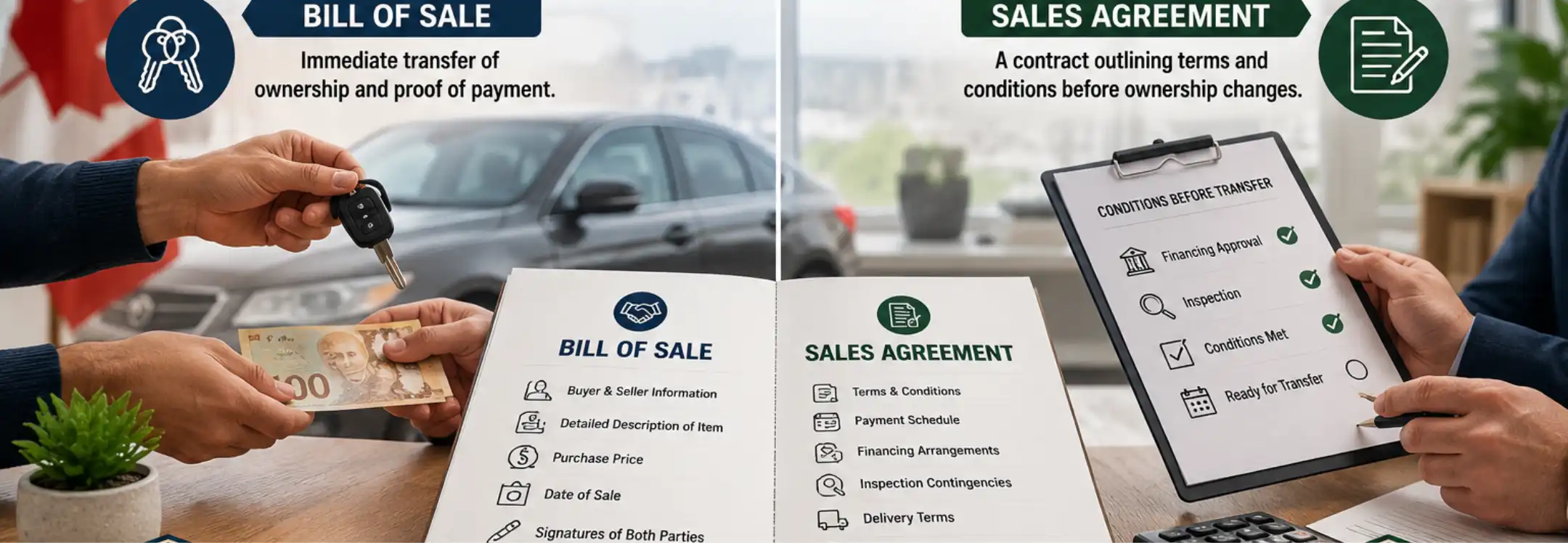
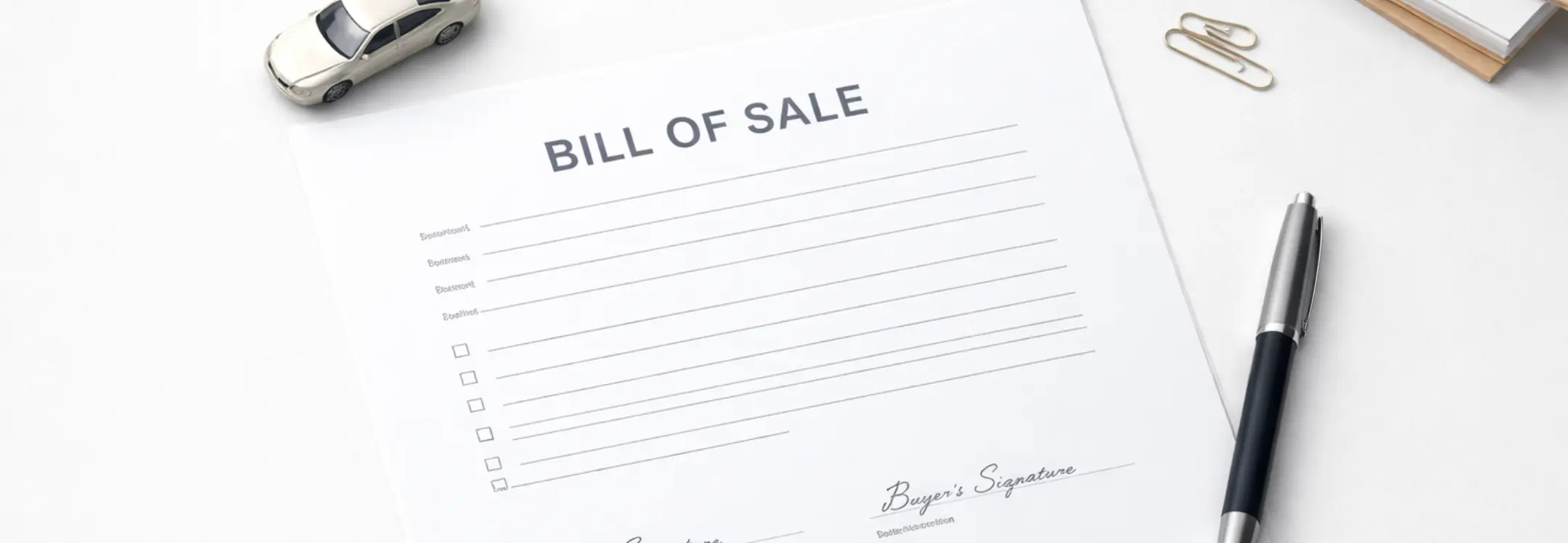
A bill of sale is a document that details the sale and transfer of property from the seller to the buyer.
When can you use a bill of sale?
A bill of sale can be used for most private sale of physical goods. The most common situation where a bill of sale is used is for the sale of a used car. Note that the transfer of property cannot be done via a bill of sale.
Here is common list of goods that can be sold via our bill of sale:
- Vehicles such as sedans, pick up trucks and motorcycles
- Recreational vehicles such as RVs, trailers, dirt bikes, and snowmobiles
- Watercrafts such as canoes, motorboats, jet skis and sail boats
- Firearms such as pistols and hunting rifles
- Animals such as pet cats, dogs, fish and birds, and farm animals such as hogs, horses and cattle.
- Personal items such as clothing, jewellery and watches
- Electronics such as audio receivers, HD televisions, computers, laptops, tablets and cell phones
What does being sold “as is” mean on a bill of sale?
An item that is sold “as is” means there is no guarantee as to the condition of the item. The buyer will be accepting the item in its current condition with any flaws present and the seller will be not responsible for any defects or flaws in the item.
What should be included in a bill of sale?
The bill of sale needs to have the following three main topics covered:
- The buyers and sellers, list who the parties are and their respective addresses
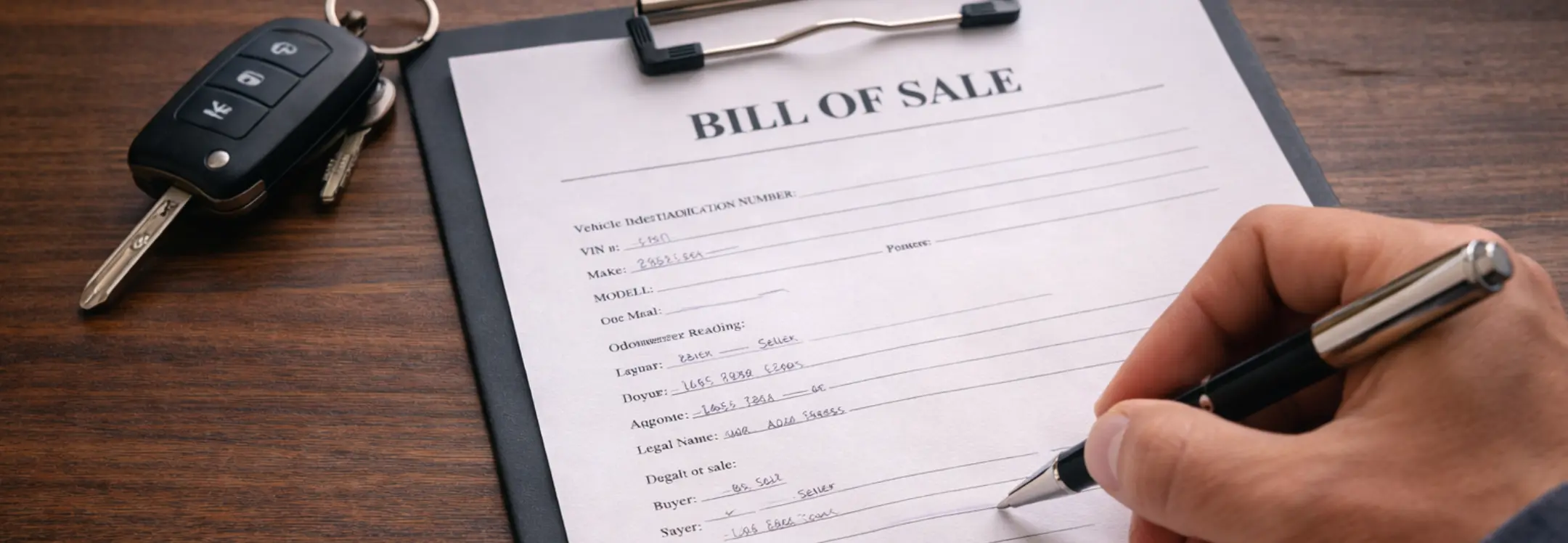
- The property listed in detail. Describe the item that is being sold to ensure that it’s identifiable. You want to be very specific in the detail to ensure there’s no ambiguity. If you’re selling a car, list the year, make, model, vehicle type and the VIN number including the odometer reading of the car. If you’re selling electronics, list the model and serial number of the item.
- The price of the item. List the sale price for the item being sold and whether there are any taxes payable in the transaction. Also listing the forms of payment being used in the transaction
Who should sign a bill of sale?
It is good practice to get both the buyer and seller to sign the bill of sale especially for the sale of more expensive items like cars and boats. Having both signatures enhances the authenticity of the parties’ intention to transfer the ownership from the buyer to the seller in case there is future dispute.
Do I need to sign in front of a notary for the bill of sale?
Notarization is typically not required in most cases. However, it might be prudent to get the bill of sale notarized for more expensive goods such as cars and boats in case of future dispute. A notarized bill of sale solidifies the seller’s intention to transfer the goods to the buyer since the transaction was witnessed and recorded by the notary after having verified the identify of both parties.
Is a bill of sale applicable for both new and previously owned goods?
Absolutely. A bill of sale can be used to record the sale and ownership transfer for items whether they are brand new or used. It serves as official documentation of the transaction regardless of the condition.
What records should I retain after completing a bill of sale?
It’s important that both the buyer and seller keep a copy of the signed bill of sale. This documentation can be useful for tax filings, warranty claims, or settling any future disagreements about the sale.
How does a bill of sale differ from a simple receipt?
A bill of sale offers more detail than a typical receipt. Besides showing proof of payment, it confirms the transfer of ownership and outlines the terms of the sale, making it a stronger legal proof of the transaction.
Is it appropriate to use a bill of sale for online purchases?
Yes, a bill of sale can be very helpful for transactions conducted over the internet, especially for higher-value items. It provides both buyer and seller with a clear record of the sale and its conditions.
What if the buyer requests a warranty or assurance?
If any warranty or guarantee is provided, it should be clearly indicated in the bill of sale document. Otherwise, most private sales are considered “sold as is,” meaning the seller does not promise anything about the item’s condition or future reliability.
What jurisdictions can use our bill of sale?
You can use our template to create a legal and valid bill of sale for the following jurisdictions:
|
Alberta
British Columbia
Manitoba
New Brunswick
Newfoundland and Labrador
Northwest Territories
Nova Scotia
Nunavat
Prince Edward Island
Saskatchewan
Yukon |
AB
BC
MB
NB
NL
NT
NS
NU
PE
SK
YT |




 Canada
 United States