- A comprehensive Residential Lease Agreement Checklist helps Canadian property owners create compliant contracts that protect their real estate investments.
- Canadian tenancy laws require landlords to follow provincial guidelines and maintain explicit consent under federal privacy regulations.
- Essential clauses must define monthly rent payments, repair duties, utility responsibilities, and property access rules clearly.
- Avoiding common drafting errors protects housing providers from costly tenancy board disputes and unexpected financial losses.
- Using an Online Residential Lease Agreement template from Ziji Legal Forms allows landlords to Create Residential Lease Agreement forms tailored to Canadian requirements efficiently.
Why Having a Lease Agreement Checklist Is Important
Managing rental property across Canada requires careful attention to statutory regulations. A structured checklist keeps housing providers organized throughout the leasing process. Written agreements reduce misunderstandings between property owners and tenants by establishing transparent expectations from the start. Using a comprehensive framework ensures that no critical terms or required disclosures are overlooked during contract preparation.
Proper documentation safeguards financial investments while building professional rental relationships. Clear contract terms simplify conflict resolution if disputes arise during the tenancy. Following a systematic process reduces legal risks and supports smooth property operations.
Pre-Drafting Checklist
Before drafting any rental contract, landlords must gather essential documentation regarding the rental unit. Collecting title deeds, property tax records, floor plans, and current utility statements simplifies contract creation. Having all property details organized upfront prevents administrative errors later.
Ownership and Management Structure
The tenancy agreement must clearly state who owns and manages the real estate property. Landlords should confirm whether the contract is held by an individual or a corporate entity. Identifying authorized property managers and primary contacts ensures legal clarity for all official notices.
Understand Provincial and Local Rental Laws
Residential rental property in Canada is governed primarily by provincial and territorial legislation. Housing providers must understand local tenancy acts to ensure their terms remain enforceable. Clauses that contradict statutory tenant protections are legally invalid under Canadian law.
Mandatory Provincial Disclosures
Many provinces require specific standardized forms or statutory disclosure documents at lease signing. Landlords must provide information regarding emergency contacts, dispute resolution bodies, and building rules. Failing to deliver required notices can delay rent adjustments or weaken legal positions during dispute proceedings.
Screen and Finalize Tenant Details
Finalizing tenant details requires a structured applicant screening process. Property managers must collect complete legal names, current addresses, and contact numbers for every adult occupant. When preparing a Residential Lease Agreement Canada landlords must establish clear evaluation standards to protect the rental unit while keeping the selection process professional.
Verification and Background Checks
Under federal privacy legislation known as PIPEDA, landlords must obtain written consent before running background checks. Verification typically includes checking credit reports, verifying employment stubs, and speaking with previous landlords. Demanding a social insurance number as a mandatory requirement is discouraged under privacy guidelines.
Consistency in Screening
Housing providers must apply identical qualification criteria to all rental applicants. Evaluating every candidate using consistent objective standards prevents claims of bias. Fair screening supports compliance with human rights legislation across all provinces.
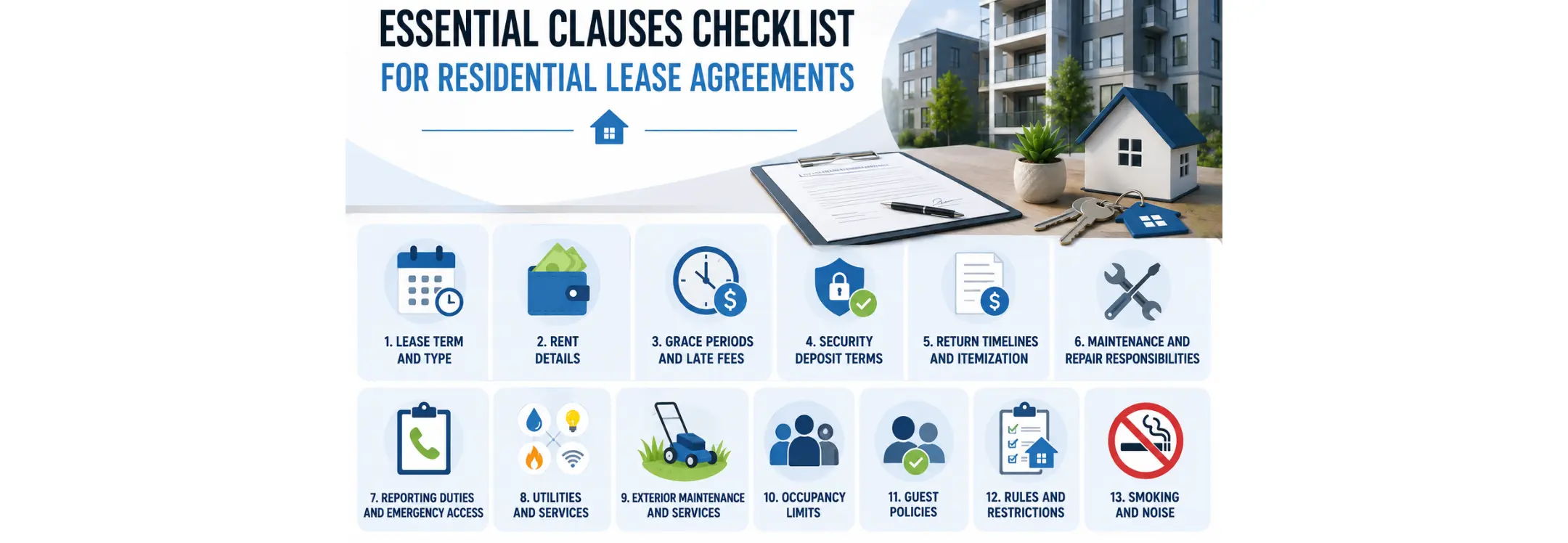
Essential Clauses Checklist for Residential Lease Agreements
A well structured Residential Lease Agreement for Landlords must cover all standard operational scenarios. Including explicit clauses prevents confusion over daily responsibilities and financial expectations.
Lease Term and Type
The agreement must state whether the tenancy is a fixed term agreement or a periodic month to month arrangement. Defining start dates and end dates clearly eliminates confusion regarding tenancy length and renewal conditions.
Rent Details
Contracts must state the exact monthly rent amount, payment due dates, and permitted payment methods. Specifying electronic bank transfers or digital portals ensures accurate accounting records for both parties.
Grace Periods and Late Fees
Late fee policies must strictly adhere to provincial legal regulations. Landlords cannot charge arbitrary penalties or high interest rates that exceed local statutory limits.
Security Deposit Terms
Rules regarding security deposits and damage deposits vary across Canadian provinces. Housing providers must conform to local restrictions regarding maximum deposit amounts and allowable uses.
Return Timelines and Itemization
The tenancy contract should explain how security deposits are returned after move out inspections. Detailing inspection procedures and timelines ensures transparency when processing allowable deductions for property damage.
Maintenance and Repair Responsibilities
Provincial laws require landlords to maintain the rental property in a safe and habitable condition. Tenants are responsible for keeping the premises clean and repairing damage caused by neglect.
Reporting Duties and Emergency Access
Leases should require tenants to report maintenance problems promptly to prevent structural damage. Clear emergency access rules allow landlords to enter the unit quickly to protect property during urgent situations.
Utilities and Services
The agreement must specify which utilities are included in the monthly rent and which must be paid by the tenant. Detailing responsibilities for water, heat, electricity, and internet prevents utility billing conflicts.
Exterior Maintenance and Services
For single family homes and townhouses, the contract should clarify exterior maintenance tasks. Defining who manages lawn care, leaf removal, and winter snow removal protects property safety and curbside appeal.
Occupancy Limits
Setting reasonable occupancy limits prevents unit overcrowding and reduces wear on plumbing systems. Occupancy terms must comply with local housing standards and safety bylaws.
Guest Policies
Lease terms should distinguish short term visitors from unauthorized permanent occupants. Landlords cannot unreasonably restrict tenant guests, but they can prohibit unauthorized subletting or assignment.
Rules and Restrictions
Attaching written property rules helps maintain quiet enjoyment for all residents in multi unit buildings. Shared facility rules, parking guidelines, and trash disposal instructions must be provided in writing.
Smoking and Noise
Contracts may include non smoking clauses that cover tobacco and cannabis usage. Clear noise rules establish designated quiet hours to preserve a peaceful living environment for neighbours.
Legal Compliance Checklist
Staying compliant with Canadian housing laws requires aligning lease clauses with provincial statutes. Ignoring legal mandates exposes property managers to administrative penalties and unenforceable contract terms.
Mandatory Disclosures
Housing providers must attach required statutory schedules and landlord contact notices to the lease contract. Providing full disclosure details at signing ensures that the contract complies with provincial requirements.
Other Required Notifications
Landlords should provide information pamphlets that outline tenant rights and official dispute mechanisms. Delivering required legal guides upon move in builds trust and satisfies regulatory duties.
Fair Housing Compliance
Human rights legislation prohibits discrimination in housing based on protected grounds such as age, family status, race, religion, or source of income. Lease terms and screening decisions must respect these statutory protections.
Accommodations and Modifications
Property owners must accommodate tenant accessibility needs up to the point of undue hardship. Agreements cannot unreasonably block minor modifications required for medical or accessibility reasons.
Local Ordinances and Regulations
Municipal bylaws govern property standards, garbage schedules, noise restrictions, and rental licensing requirements. Incorporating local rules into the agreement keeps the property compliant with municipal inspectors.
Licensing and Safety Inspections
Many Canadian cities require active rental licenses and regular fire safety checks. Documenting working smoke detectors and carbon monoxide alarms protects tenant safety and lowers liability.
Financial and Risk Protection Checklist
Protecting rental income and physical property requires sensible risk mitigation terms. Clear financial protocols help manage unexpected issues efficiently.
Bounced Checks and Other Charges
Lease agreements should outline reasonable administrative fees for returned payments or non sufficient funds. Setting pre agreed charges helps recover processing costs when payment issues occur.
Entry and Inspection Rights
Canadian tenancy acts grant landlords entry rights while respecting tenant privacy rights. Inspection provisions must outline routine maintenance protocols while honoring peaceful enjoyment.
Protecting the Right to Entry
Contracts must explain the requirement to provide twenty four hours written notice before non emergency visits. Following statutory notice rules ensures legal entry for repairs or prospective buyer viewings.
Termination and Eviction Terms
Ending a tenancy must follow strict statutory grounds such as non payment of rent or personal occupancy. Arbitrary termination clauses that attempt to bypass tenancy board procedures are void.
Eviction Procedures
Landlords must issue official statutory notices and obtain formal orders before repossessing a rental unit. Following proper legal procedures prevents claims of wrongful eviction and financial penalties.
Final Review Checklist Before Signing
Conducting a thorough final check prevents administrative mistakes and contractual oversights. Verifying details prior to signing saves time and avoids future disagreements.
Double-Check All Details
Verify that all names, civic addresses, unit numbers, and rent amounts are recorded accurately. Correcting typographical mistakes ensures the contract stands up during dispute proceedings.
Ensuring No Missing Clauses
Review the document to confirm that all required maintenance, utility, and payment terms are present. Complete contracts leave no room for misunderstanding key operational duties.
Ensure Clarity and Readability
Drafting clauses in simple plain language ensures that both parties understand their rights and obligations. Transparent language minimizes confusion and promotes positive ongoing communication.
Consistency and Conflict Removal
Ensure custom additional clauses do not conflict with provincial tenancy laws or standard lease terms. Invalid clauses will be struck down by housing tribunals if challenged.
Signatures and Documentation
All adult tenants and property owners must sign and date the final document. Providing a signed copy to the tenant within statutory timeframes is mandatory under Canadian law.
Record Keeping for Compliance
Keep signed contracts, inspection forms, and privacy consent documents in a secure location. Organized record keeping supports tax reporting and provides evidence during legal reviews.
Common Mistakes Landlords Should Avoid
Avoiding routine drafting mistakes protects property earnings and reduces stress. Learning from common landlord errors leads to smoother rental operations.
Missing Province-Specific Clauses
Using generic international forms often leaves out vital Canadian provincial requirements. Missing required terms can render key rules unenforceable during tribunal hearings.
Not Documenting Agreements Properly
Verbal promises about rent discounts or repair schedules often lead to costly disputes. Putting every operational agreement into written addendums creates clear legal proof.
When to Use a Professional or Legal Template
Drafting contracts from scratch without expert guidance increases legal exposure. Using a vetted Residential Lease Agreement template ensures full compliance with dynamic housing laws.
Multi-Province and First-Time Landlords
Managing properties in multiple provinces requires adapting contracts to distinct local legislation. First time landlords benefit from structured tools to guide them through legal requirements.
Creating a Residential Lease Agreement with Ziji Legal Forms
1. Choose Template
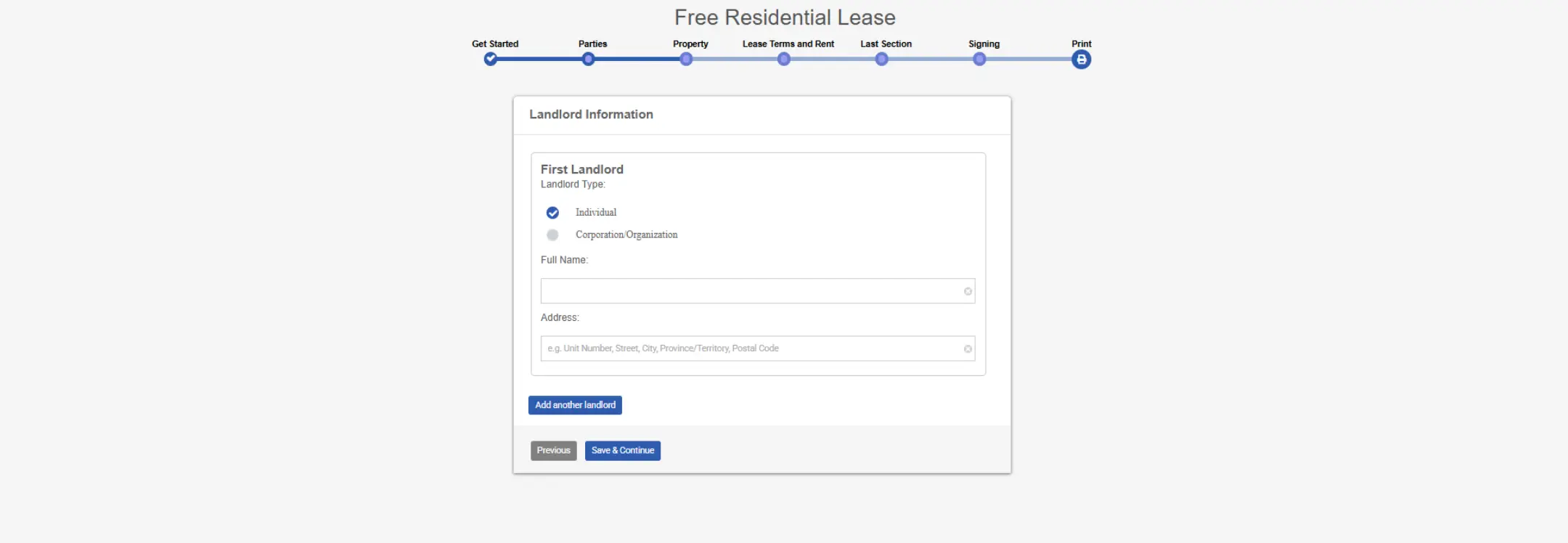
2. Add Party Details
Input full legal names, contact addresses, and official email details for all property owners and prospective tenants.
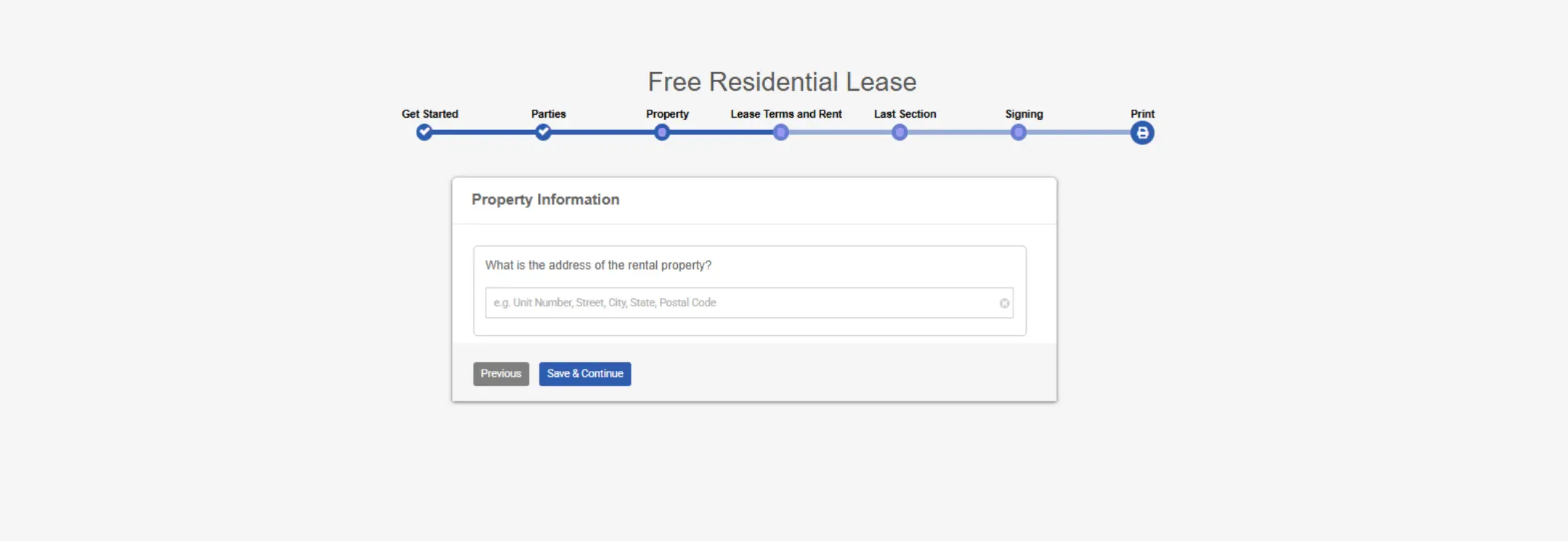
3. Add Property Details
Enter the complete physical address, unit number, parking allocation, and included appliances for the rental unit.
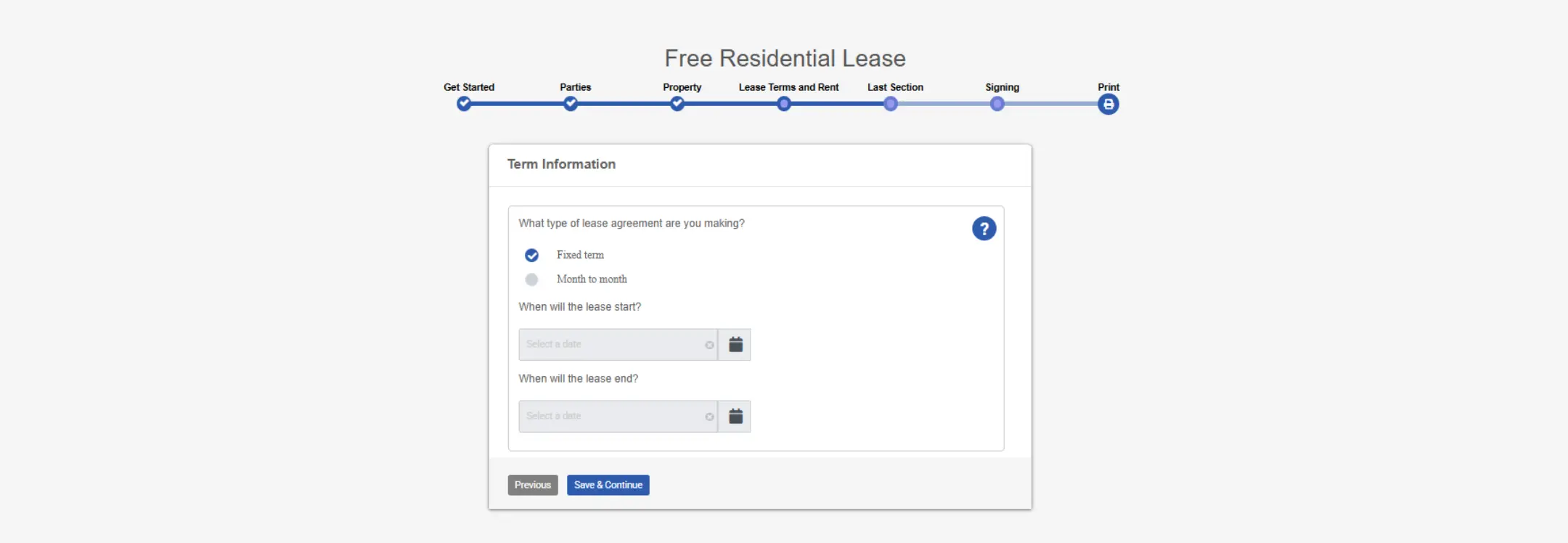
4. Add Term Details
Specify rent amounts, payment due dates, accepted payment methods, and lease start dates accurately.
5. Preview Lease Agreement
Review the generated contract on screen to verify clarity and complete details before saving the final document.
Conclusion
Following a structured Residential Lease Agreement Checklist ensures that Canadian landlords create legal and fully enforceable contracts. Tailoring terms to provincial tenancy laws protects real estate assets while fostering positive relationships with tenants. Obtaining proper privacy consent for screening maintains federal PIPEDA compliance. Incorporating clear utility, repair, and entry clauses prevents miscommunication throughout the lease term. Property owners who utilize customized Online Residential Lease Agreement tools can manage rentals efficiently and avoid costly disputes.
Residential Lease Agreement FAQs
1. How does a Residential Lease protect landlords and tenants?
It clearly outlines the rental terms, helping both parties understand their rights and responsibilities throughout the tenancy.
2. Who benefits from having a Residential Lease?
Both landlords and tenants benefit from having a written agreement that documents the terms of the rental arrangement.
3. Can I choose between a fixed-term lease and a periodic tenancy?
Yes. The appropriate option depends on whether you want long-term stability or greater flexibility.
4. What information should be included in a Residential Lease?
A Residential Lease should include details such as the property, rent, lease term, security deposit, utilities, and any additional terms agreed by the parties.
5. Can a Residential Lease be changed after it is signed?
Yes. Any amendments should be agreed to by both the landlord and tenant and documented in writing.
6. What jurisdictions are covered by the Ziji Legal Forms Residential Lease?
The Ziji Legal Forms Residential Lease is suitable for use throughout all supported provinces and territories in Canada.
Author
Mandar Sonavane
|
Legal Content Writer at Ziji Legal Forms Inc.
Symbiosis International University
Mandar is a legal content writer specializing in the development of clear, practical, and easy-to-understand legal resources. With a strong focus on legal research, content creation, and plain-language writing, he works closely with our legal professionals to ensure that legal documents and educational materials are accurate, accessible, and user-friendly. At Ziji Legal Forms Inc., Mandar is responsible for researching legal topics, drafting and reviewing content, and helping transform complex legal concepts into straightforward guidance that empowers individuals and businesses to confidently navigate their legal needs.
Reviewed By
Histon Shek
|
General Counsel and Co-Founder at Ziji Legal Forms Inc.
University of Alberta
Histon Shek was called to the Alberta Bar in 2006. He holds a BA in Sociology and Philosophy and an LLB from the University of Alberta. As co-founder of Ziji Legal Forms Inc., he focuses on making legal documents accessible and affordable, overseeing legal integrity and content development.






 Canada
 United States