- Child Medical Consent Forms Canada do not have a single legal expiration date mandated by federal law, but practical validity depends on provincial guidelines and hospital policies.
- Most Canadian healthcare providers, schools, and camps reject permission forms that are older than six to twelve months due to liability concerns.
- Updates to custody arrangements, medical conditions, or designated caregivers require executing a new authorization document immediately.
- Emergency treatment can proceed under implied consent rules, but routine treatments require current written parental permission.
- Parents can quickly draft an updated legal authorization by using a customized Child Medical Consent Forms template from Ziji Legal Forms.
Why Parents Assume Consent Forms Never Expire
Many parents believe that a legal authorization signed for their minor child remains valid until the child reaches adulthood. This common assumption arises because parental rights under Canadian family law are continuous and permanent. Parents often complete a permission form for a temporary trip or childcare arrangement and store it away, assuming it retains legal force indefinitely.
While core parental authority does not expire, delegating medical decisions to temporary caregivers operates under very different operational rules. Healthcare institutions in Canada must carefully balance minor safety against legal liability risks. Family circumstances, emergency contact details, and medical conditions evolve continuously over time. Because of these changes, an older authorization letter quickly loses practical acceptance even if no explicit expiration date appears on the original document.
Is There Any Official Expiry Date in Canada
No Single Federal Validity Rule
Canadian healthcare governance falls under provincial and territorial jurisdiction rather than a single central federal statute. Consequently, there is no single nationwide law establishing a universal Child Medical Consent Forms Expiry timeframe. A permission document created in Ontario is subject to local provincial capacity principles, whereas one executed in British Columbia follows separate statutory standards.
Under general Canadian legal principles, a consent document lacking an explicit end date technically remains effective until a parent revokes it in writing. However, technical legal validity does not guarantee automatic acceptance by medical clinics or emergency departments. Healthcare staff evaluate whether the document reflects current family realities before honoring non emergency medical requests.
Why Different Organizations Apply Different Standards
Hospitals, community clinics, school boards, and youth organizations set their own internal risk management guidelines regarding document age. These institutions enforce strict administrative rules to shield themselves from legal disputes involving outdated medical data or unresolved custody conflicts.
Organizations frequently mandate annual document renewals to capture essential updates such as new health card details, modified prescription dosages, or revised custody orders. Therefore, a consent letter that remains legally valid under common law might still be turned down by a cautious clinic administrator who requires recent confirmation.
Common Validity Periods Used in Practice
One Time or Event Specific Consent
Event specific consent applies strictly to a single activity, travel journey, or brief timeframe. The temporary guardian gains decision authority when the trip begins, and that authority ends automatically once the trip concludes. This precise framework offers maximum security for parents because it prevents long term delegation of authority. Once the event ends, the legal permission granted to the supervisor immediately expires.
Time Bound Consent with Start and End Dates
Time bound consent establishes a clear calendar window, such as three months, six months, or one full year. Families often use this approach when placing children under the care of relatives during extended work assignments or seasonal travel. Defining concrete start and end dates provides certainty for healthcare staff who examine the paperwork. Physicians can easily confirm that requested treatments fall within the active permission period.
Open Ended or Long Term Consent
Open ended consent omits an explicit expiration date and remains active until a parent formally revokes the agreement in writing. Parents sometimes choose this structure for local grandparents who provide routine childcare throughout the year. Despite its convenience, open ended paperwork creates administrative challenges. Canadian healthcare providers view older open ended forms with caution because minor health needs and family structures change over time.
How Medical Providers Interpret Validity
What Hospitals Typically Check First
When a child arrives at a Canadian medical facility accompanied by a non parent caregiver, triage staff inspect the document carefully. Staff members check the full names of parents, caregivers, and minors to ensure identity matching across records. Administrators review execution dates and verify that specific healthcare authorizations are written clearly. If the documentation appears outdated or incomplete, non urgent treatments are delayed until direct parental contact is established.
Why Old Signatures Raise Red Flags
Healthcare workers view older signatures with skepticism because family situations change over time. A signature provided years ago might no longer reflect active parental intent or current custody arrangements. Furthermore, outdated signatures create concerns about revoked authority or unauthorized reliance by former partners. Medical professionals protect child safety and institutional liability by asking for recently executed forms.
Matching Consent Dates with Caregiving Arrangements
Canadian medical clinics expect execution dates to match the actual period of temporary supervision. A document signed years ago for a short vacation creates immediate hesitation among hospital staff. Aligning document dates directly with active travel itineraries or caregiving arrangements reassures healthcare personnel. Proper date alignment demonstrates that parental consent was given deliberately for the current situation.
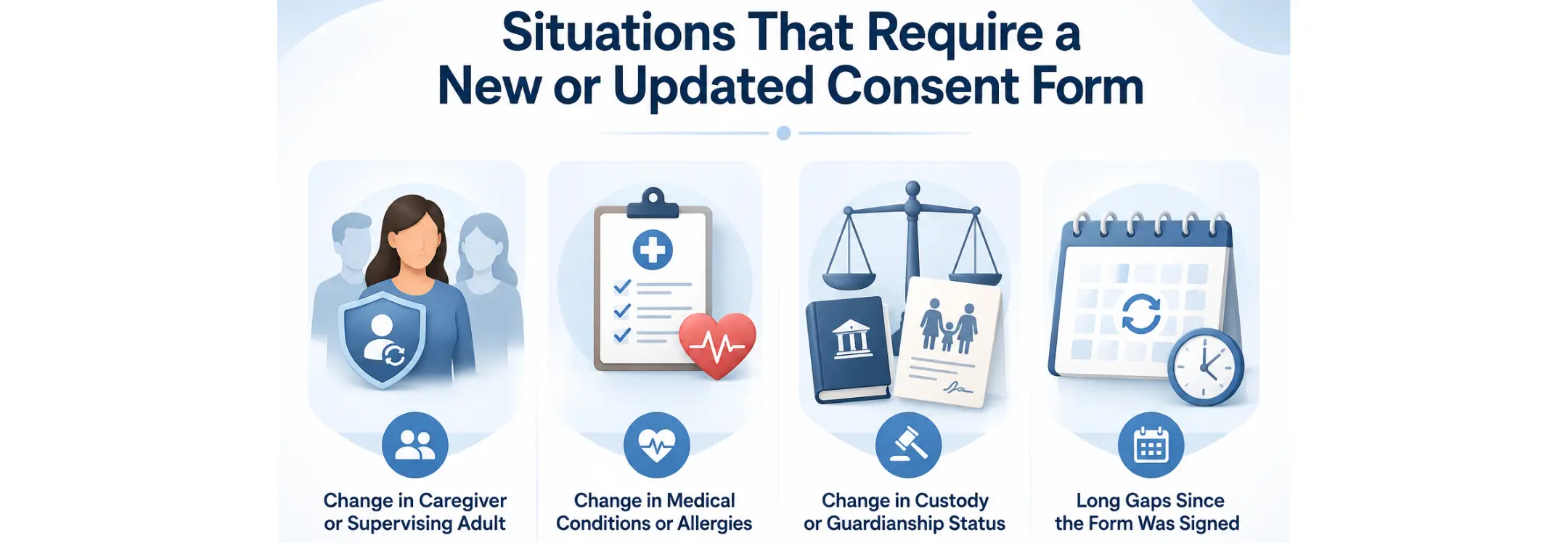
Situations That Require a New or Updated Consent Form
Change in Caregiver or Supervising Adult
Any change in the designated supervisor requires executing new Child Medical Consent Forms immediately. Healthcare authorization cannot be transferred automatically from one adult to another unless explicitly stated in the document. If care shifts to a different relative or family friend, a fresh authorization naming the new adult must be completed. Listing multiple alternate caregivers in the initial document offers a practical solution for families.
Change in Medical Conditions or Allergies
Modifications in a child's health status require an immediate document refresh. If a child develops new severe allergies, receives a chronic diagnosis, or starts prescription medication, older forms become dangerously inaccurate. Providing complete health details ensures temporary caregivers and doctors avoid administering unsafe treatments. Keeping medical descriptions accurate within the form prevents dangerous medical errors.
Change in Custody or Guardianship Status
Legal alterations to parental custody agreements or guardianship orders supersede existing consent documents. When custody arrangements change, authorizations issued by a parent who no longer holds legal decision authority lose validity. Canadian healthcare staff carefully respect legal custody rights. Parents with joint custody should ensure both individuals sign updated forms to avoid treatment delays.
Long Gaps Since the Form Was Signed
Even without major family changes, substantial time gaps reduce document credibility. Most Canadian health facilities regard permission forms signed more than twelve months ago as outdated. Refreshing paperwork annually prevents frustrating delays at clinic reception counters. Regular updates show clinical staff that parental consent remains active, informed, and current.
School, Daycare, and Camp Validity Expectations
Annual Renewal Policies
Schools and registered childcare facilities across Canada enforce annual renewal requirements for medical permissions. Educational institutions request new forms at the start of every academic year to keep student files compliant. Annual renewals protect organizations by ensuring contact numbers and treatment authorizations remain accurate. Parents should expect to complete fresh documentation every autumn regardless of past submissions.
Field Trips and Overnight Programs
Special school trips and overnight sports events involve risks that general annual forms do not cover. Out of town trips require dedicated authorizations detailing trip destinations and supervisors. Specific documentation grants trip leaders clear legal authority for the exact travel period. This targeted authorization satisfies educational policies and regional hospital requirements.
Why Prior Year Forms Are Rejected
Institutions reject prior year paperwork to limit legal exposure and maintain accurate student records. Outdated forms might display old emergency numbers, obsolete health card details, or revoked custody arrangements. Additionally, organizational insurance policies require current season documentation for coverage. Accepting outdated forms exposes institutions to legal risk and non compliance.
Emergency Care and Implied Consent Limits
When Doctors Can Treat Without Written Consent
Why Implied Consent Does Not Cover Everything
Implied consent applies strictly to immediate emergency interventions and does not cover routine care. Non urgent procedures, blood tests, diagnostic imaging, and routine medications require explicit consent. Without written authorization or directparental contact, medical staff delay non urgent treatments until approval is confirmed. Implied consent cannot authorize standard medical care.
How Written Consent Still Protects Decisions
Having a written consent document fills the critical gap between emergency care and routine medical treatment. It allows appointed caregivers to discuss treatment plans with doctors and authorize necessary care. Furthermore, written forms preserve parental instructions regarding treatment preferences or restrictions. This documentation provides temporary supervisors with clear authority during clinic visits.
Best Practices for Setting the Right Validity Period
Choosing Realistic Time Frames
Selecting an appropriate timeframe depends on the specific nature of the caregiving situation. For brief trips or sports tournaments, limit validity dates to the exact travel schedule. For continuous care provided by family members, establish a defined period of six to twelve months. Realistic timeframes meet hospital requirements while maintaining parental oversight.
Aligning Consent Duration with Caregiving Needs
Match document validity directly with the actual duration of temporary care. Avoid using open ended forms for short term arrangements like summer camps or temporary visits. Tailoring duration to practical needs prevents outdated authorizations from remaining active indefinitely. It guarantees that temporary authority ends as soon as regular care resumes.
Adding Renewal Reminders
Set annual digital reminders to inspect and update child medical documentation. Regular reviews help parents check whether emergency contact details, health card data, or dosages need updating. Proactive tracking ensures families are prepared before school terms or trips begin. Fresh forms ensure smooth communication with healthcare personnel during clinic visits.
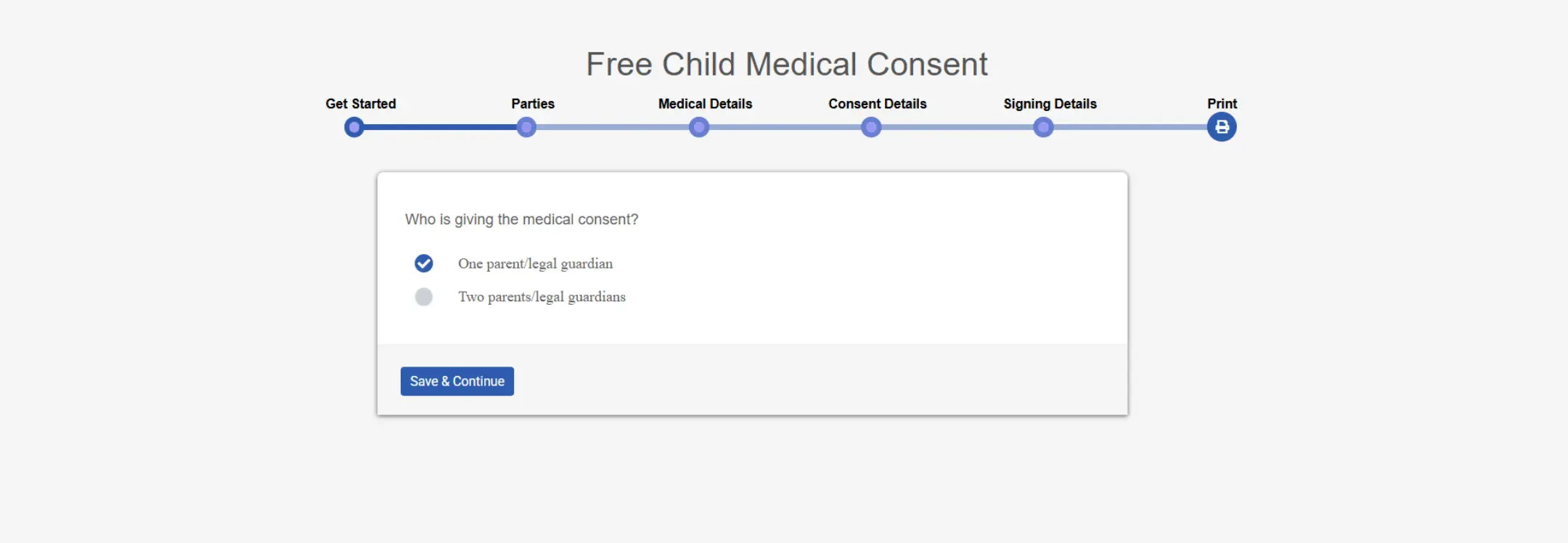
How to Create a Child Medical Consent Form Using Ziji Legal Forms
1. Choose Template
2. Add Parties Details
Enter complete names, contact information, and physical addresses for parents, legal guardians, and designated temporary caregivers.
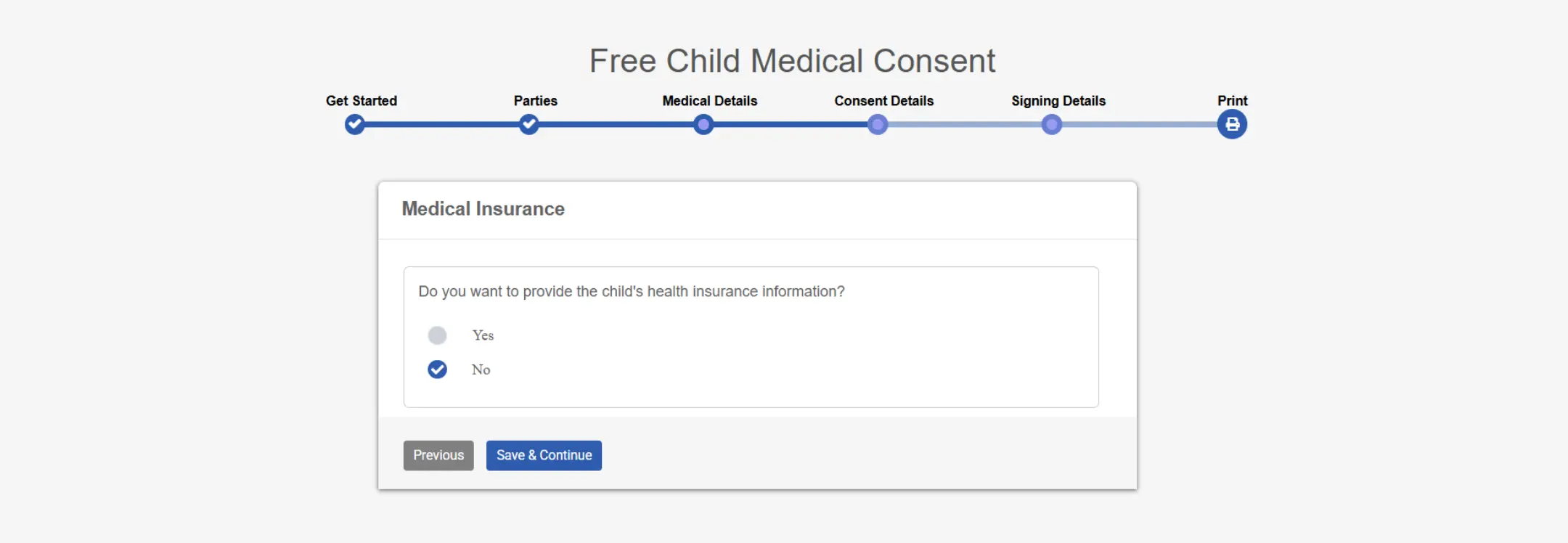
3. Add Medical Details
Provide essential health information including provincial health card numbers, known allergies, current prescriptions, and physician contacts.
4. Add Consent Details
Specify authorized medical treatments, set clear validity start and end dates, and list any treatment restrictions.
5. Signing Details, Preview and print.
Review the final document preview, confirm accuracy, print the form, and complete required signatures before temporary care begins.
Conclusion: Keep Consent Current, Not Just Signed Once
Maintaining an updated authorization form ensures smooth healthcare delivery when children are under temporary care. Although Canadian laws do not specify a mandatory Child Medical Consent Forms Expiry date, healthcare providers routinely reject outdated documentation. Refreshing these documents annually protects children by keeping emergency contacts, medical histories, and legal custody details accurate. Setting defined validity timeframes prevents legal uncertainty and gives temporary supervisors clear authority during medical visits. Parents can easily Create Child Medical Consent Forms tailored to provincial requirements by using a Ziji Legal Forms template. Keeping medical authorizations current guarantees peace of mind and immediate access to necessary healthcare for your child.
Child Medical Consent FAQs
1. How does a Child Medical Consent protect my child?
It allows a trusted adult to authorize necessary medical treatment if you cannot be contacted during an emergency.
2. Who benefits from a Child Medical Consent?
Parents, legal guardians, caregivers, and healthcare providers all benefit from having clear authority to make medical decisions for a child.
3. What information should a Child Medical Consent include?
It should identify the child, the parent or guardian, the authorized adult, relevant medical information, and the period during which the consent is valid.
4. Is a Child Medical Consent legally valid without notarization?
In many situations, yes. However, notarization is often recommended because it may help the document be accepted more readily.
5. Can I change or revoke a Child Medical Consent later?
Yes. Parents and legal guardians may update or revoke the document whenever necessary.
6. What jurisdictions are covered by the Ziji Legal Forms Child Medical Consent?
The Ziji Legal Forms Child Medical Consent is suitable for use throughout all supported provinces and territories in Canada.
Author
Mandar Sonavane
|
Legal Content Writer at Ziji Legal Forms Inc.
Symbiosis International University
Mandar is a legal content writer specializing in the development of clear, practical, and easy-to-understand legal resources. With a strong focus on legal research, content creation, and plain-language writing, he works closely with our legal professionals to ensure that legal documents and educational materials are accurate, accessible, and user-friendly. At Ziji Legal Forms Inc., Mandar is responsible for researching legal topics, drafting and reviewing content, and helping transform complex legal concepts into straightforward guidance that empowers individuals and businesses to confidently navigate their legal needs.
Reviewed By
Histon Shek
|
General Counsel and Co-Founder at Ziji Legal Forms Inc.
University of Alberta
Histon Shek was called to the Alberta Bar in 2006. He holds a BA in Sociology and Philosophy and an LLB from the University of Alberta. As co-founder of Ziji Legal Forms Inc., he focuses on making legal documents accessible and affordable, overseeing legal integrity and content development.







 Canada
 United States