TL;DR- A Child Medical Consent Form allows temporary caregivers to make health decisions for minors when parents are unreachable.
- Missing medical details or insurance information can lead to treatment delays or high out of pocket hospital costs.
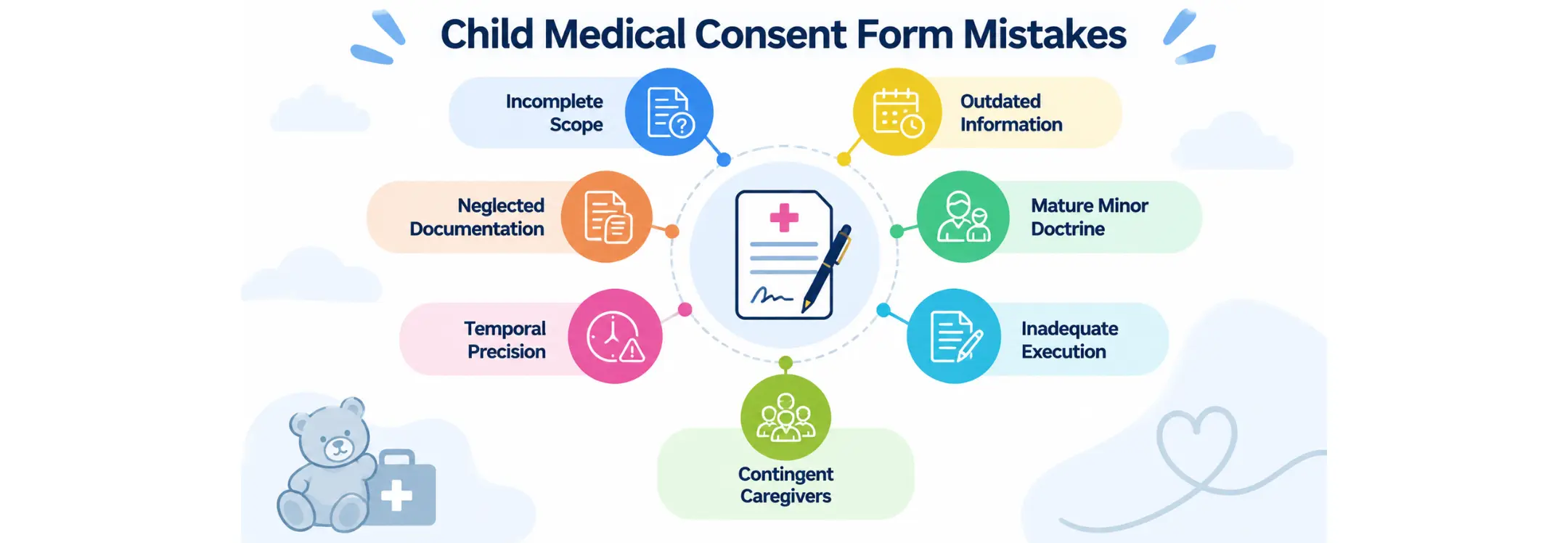
- Canadian law focuses on capacity rather than a strict age of majority, meaning forms must respect the mature minor doctrine.
- Failing to include primary physician data or secondary emergency contacts creates dangerous gaps in a child's care plan.
- Improperly witnessed or outdated signatures may render the document invalid during a clinical audit or border crossing .
- You can easily create a Child Medical Consent Form using Ziji Legal Forms' online templates
Introduction: Why Child Medical Consent Forms Matter
When a parent or guardian is not physically present, the delegation of medical authority is essential for ensuring a minor receives prompt and effective care within the Canadian healthcare system. A Child Medical Consent Form serves as a legal bridge, granting a chosen caregiver the standing to authorize diagnostic tests, emergency treatments, and surgical procedures. Without this document, medical professionals may hesitate to act in non life threatening situations due to fears of legal liability or battery claims.
In Canada, the legal landscape is unique because health care is provincially regulated, and the concept of consent is tied closely to an individual's capacity to understand treatment risks. Whether a child is staying with grandparents, traveling for a sports tournament, or under the care of a nanny, having a valid form prevents administrative friction. This is particularly vital in busy emergency departments where waiting times and triage priorities are influenced by how quickly a caregiver can provide verified medical and insurance data.
Mistake 1: Missing the Child's Full Medical Information
One of the most frequent errors parents make is assuming that a hospital will have immediate access to a child's complete medical history through electronic records. In reality, Canadian health data is often siloed between different provinces and private clinics, making a physical medical profile indispensable. A Child Medical Consent Form Canada must act as a portable clinical record for the temporary caregiver.
The Risk of Incomplete Medical History
Providing a partial medical history creates a significant clinical risk during treatment transitions. Research from the Institute for Safe Medication Practices Canada indicates that roughly half of all patients experience medication discrepancies during hospital admission, which can lead to adverse drug reactions. When a caregiver lacks a list of current prescriptions or chronic conditions, physicians may inadvertently prescribe medications that interact dangerously with existing treatments.
Essential Medical Details to Include
A robust form must go beyond the child's name and birth date. It should detail all current medications, including the exact dosage and frequency, as well as over the counter supplements or natural health products . Parents must also document severe allergies to food, drugs, or environmental triggers like latex, which are critical for maintaining safety in a sterile hospital environment.
Emergency Response Impact
The speed of an emergency response is often determined by the clarity of the available medical data. If a triage nurse can immediately see a child’s history of asthma or epilepsy on the Online Child Medical Consent Form, they can adjust the care protocol without waiting for parental confirmation. This proactive documentation helps avoid the delays that contribute to patients leaving the emergency department before being seen by a doctor.
Mistake 2: Unclear Scope of Medical Treatment Authorization
Many parents utilize generic language that grants total authority, but Canadian medical practitioners often require more specific parameters to feel legally secure. Consent must be informed, meaning the person signing the form understands the nature and risks of the procedures they are delegating to the caregiver. Vague phrasing like all necessary care may not be sufficient for high stakes interventions such as blood transfusions or invasive surgeries.
General Versus Specific Treatment Permissions
A clear distinction between routine care and emergency interventions is necessary to protect both the child and the caregiver. While a grandparent might be comfortable authorizing a diagnostic x ray, they may feel overwhelmed if asked to approve general anesthesia for an emergency appendectomy without prior guidance. Explicitly listing these categories ensures that the caregiver understands the boundaries of their decision making power.
Why Hospitals Require Clarity
Canadian hospitals prioritize the best interests of the minor while balancing the parental right to choose treatment. If a scope is unclear, the hospital’s risk management team may delay a procedure to verify the document’s intent, potentially allowing a condition to worsen. This is especially true in provinces like Quebec, where specific rules govern how long a minor can stay in a facility before formal parental notification is required.
Scope of Authorization Language
Using precise language in a Child Medical Consent Form template ensures that nothing is left to interpretation. The form should explicitly mention diagnostic procedures, surgical operations, dental treatments, and the administration of biologic products like blood or plasma. If there are specific treatments you do not wish to authorize for religious or personal reasons, these must be listed as exclusions to ensure they are respected by medical staff.
Mistake 3: Not Listing the Child's Primary Physician
Omitting the contact details of the child’s family doctor or pediatrician is a major oversight that can hinder the verification process. In Canada, the primary physician often holds the child’s longitudinal health record, which is the gold standard for clinical decision making. When a temporary caregiver presents a consent form, the hospital may attempt to contact the family doctor to confirm existing diagnoses or clarify confusing symptoms.
Importance of Doctor Contact Information
The family doctor serves as a critical safety net who can provide context that the parents or the temporary caregiver might forget in a crisis. This information is also vital for follow up care after an emergency room visit, as it ensures that discharge notes and laboratory results are sent to the correct professional for long term management. A Child Medical Consent Form that includes a physician’s office number and clinic name facilitates this essential communication loop.
Emergency Verification Support
In situations where a parent is unreachable, the primary physician can act as a secondary source of authority regarding the child’s medical baseline. Physicians are encouraged to document consent discussions contemporaneously, so a call to the family doctor can quickly validate that the parent’s wishes on the form match their historical medical directives. This step reduces the clinical uncertainty that often slows down pediatric triage.
Mistake 4: Not Adding Insurance Details
In Canada, health insurance is not a single national entity but a collection of provincial plans that require specific documentation for billing. A Child Medical Consent Form Canada that lacks the child’s provincial health card number and version code can cause immense administrative stress during a hospital admission. While emergency care is never denied based on a lack of insurance, the financial consequences for the family can be severe if the information is missing.
Complete Insurance Information Requirements
A valid form should include the number found on the child’s health card and the specific province of issue. For families living in Ontario, this means providing the OHIP number and the two letter version code, which must be non expired to be accepted for reciprocal billing. If a child is traveling outside their home province, particularly to Quebec, having this data ready is essential because Quebec does not always participate in the same reciprocal billing agreements for physician services.
Emergency Admission Complications
Without insurance details, hospitals may be required to bill the parents directly at rates set by the Ministry of Health. Uninsured residents or those without a valid card may face a per diem ward rate of nearly fifteen hundred dollars, while emergency physician fees and lab exams are billed separately. Including a signed billing consent on the form allows the caregiver to provide the necessary insurance data and prevents the family from receiving high unexpected invoices.
Mistake 5: Incomplete Caregiver Details
Identifying the caregiver with precision is just as important as identifying the child. A mistake many parents make is only naming one caregiver or failing to provide their full legal address . If the primary caregiver becomes ill or is involved in the same incident as the minor, the medical authority essentially vanishes unless a successor or secondary agent has been named.
Verification Requirements at Hospitals
Hospitals use the caregiver's details to verify their identity against government issued photo identification before allowing them to sign for a procedure. If the name on the Child Medical Consent Form does not match the caregiver's driver's license or passport exactly, the hospital may refuse to honor the document. This verification process is a standard safeguard to ensure that medical authority has not been fraudulently obtained.
Essential Caregiver Information
A well drafted form should list the caregiver’s full legal name, residential address, and their relationship to the child. It is also highly recommended to include a section for a contingent or successor caregiver who can step in if the primary person is unavailable. This level of redundancy ensures that the child is never left without a legally authorized advocate in a medical environment.
Mistake 6: Not Including Emergency Contacts
A consent form is not a replacement for parental communication; it is a tool used when parents are unreachable. However, many forms fail to provide a comprehensive list of ways to reach the parents or a designated emergency contact who can make decisions if both the parents and the primary caregiver are unavailable. This gap can be dangerous during a major trauma or an unexpected surgical complication.
Secondary Contact Necessity
A secondary contact should be someone who is not the primary caregiver and who possesses a high degree of trust and knowledge about the child’s medical needs. In Canada, if no authorized representative can be reached, the law may default to a temporary substitute decision maker based on a specific hierarchy. Naming your own emergency contacts allows you to override this default list and place authority in the hands of someone you have personally vetted.
Contact Information Requirements
For every contact listed, the form should include multiple phone numbers such as home, work, and mobile lines, along with an email address. Providing these details in an Online Child Medical Consent Form ensures that hospital staff can move quickly through their notification protocols. Clear contact data is also a requirement for consent letters used during international travel to prevent accusations of child abduction at border crossings.
Mistake 7: Missing Signatures or Witness Information
The most common reason for a document being rejected is a failure to meet formal execution requirements. A Child Medical Consent Form that is not properly signed, dated, or witnessed is viewed as an ineffective clinical tool. In the Canadian legal system, the authenticity of the parent’s signature must be verifiable to protect against legal challenges from other family members or clinical audits.
Signature Placement and Requirements
Both parents or legal guardians should sign the document unless one parent has sole decision making responsibility through a court order. The signatures must be placed on the designated lines and clearly dated to show the document is current. Using an expired or undated form is a common mistake that can lead to a hospital refusing to accept the caregiver’s authority.
Witness Considerations
While witnessing rules vary, having two independent adults sign the form is the standard for domestic use in most provinces. These witnesses must be capable adults who are not the appointed caregivers to ensure there is no conflict of interest. A witness’s role is to confirm that the parent signed the document voluntarily and without any form of duress or coercion.
Optional Notarization
In Ontario, the rules for notarization became much stricter in 2025, as the province officially prohibited remote or virtual notarization for many legal instruments . All parties must now appear in person before a licensed notary with original government issued photo identification to have their signatures validated . While not always a strict legal requirement for local medical care, a notarized form is essential for international travel or when navigating complex billing in Quebec .
How to Create a Child Medical Consent Form Using Ziji Legal Forms
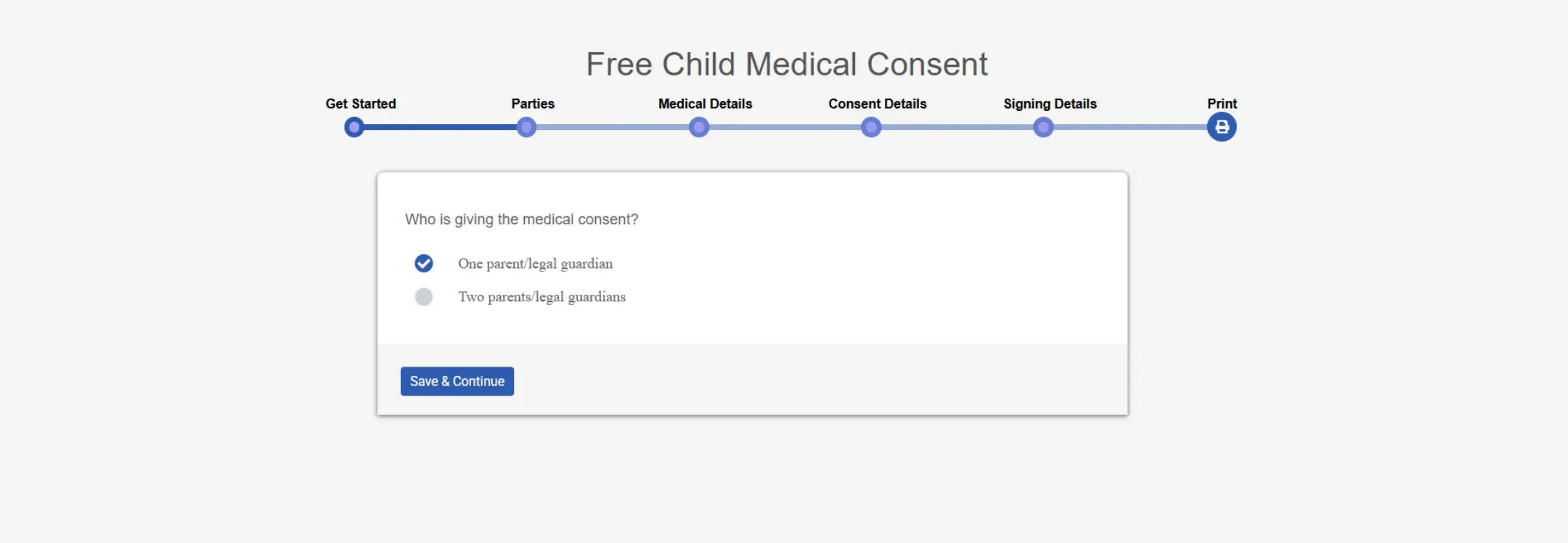
1. Choose template
2. Add Party Details
Input the full legal names and residential addresses for the parents and the primary and successor caregivers who will hold medical authority.
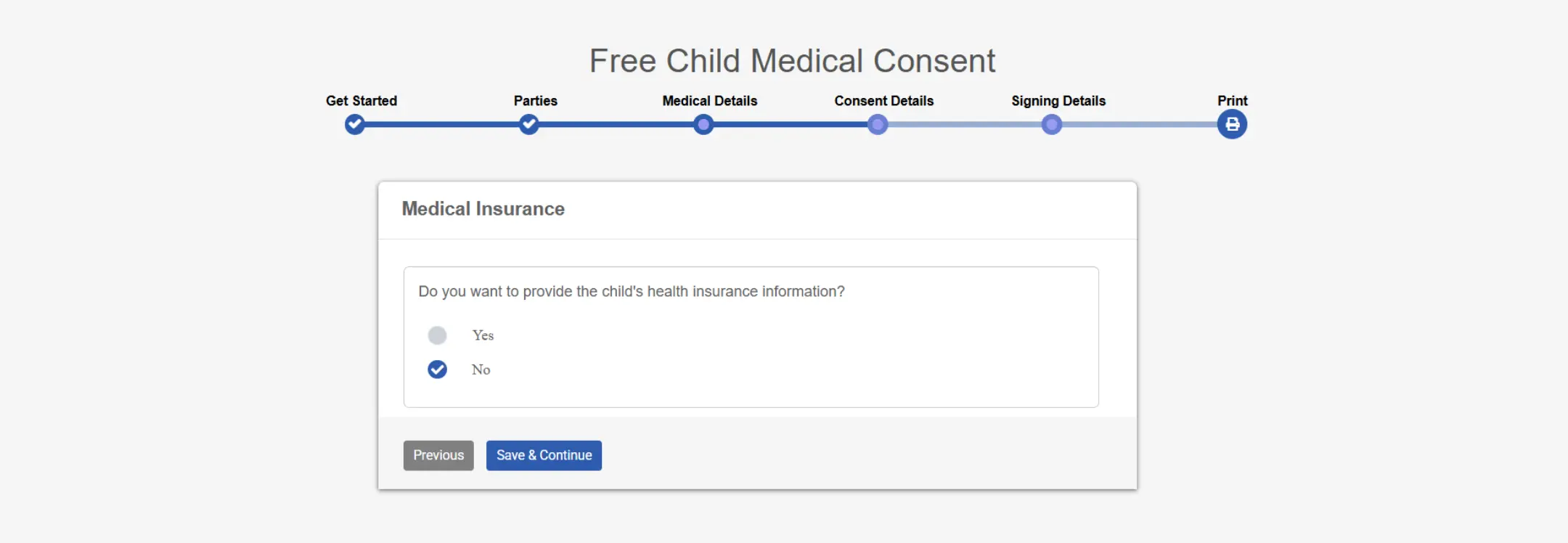
3. Add Medical and Consent Details
Document your child’s health card number, medication history, and the specific treatments the caregiver is allowed to authorize in your absence.
4. Add Signing Details
Specify the effective dates for the form and choose whether the document will be signed before two independent witnesses or a notary public.
5. Preview and Print
Review the completed form for clinical accuracy before printing the final version to be signed and handed to your child’s temporary caregiver.
Benefits of Using Ziji Legal Forms to Create Your Child Medical Consent Form
The Ziji platform provides a guided experience that prevents the common Mistakes in Child Medical Consent Form by using a structured questionnaire. Our templates are designed to address the specific nuances of Canadian provincial laws, such as the mature minor doctrine and the distinct billing requirements of various health plans.
By using Ziji, you ensure that your form includes essential medical data that helps clinicians avoid dangerous medication errors. Furthermore, the platform helps you define a precise scope of authority, which reduces the administrative friction that often causes delays in pediatric emergency departments.
Conclusion: Protect Your Child with Complete Medical Authorization
Creating a comprehensive medical consent form is a vital step in safeguarding your child’s health when you are not physically present. By avoiding these seven common mistakes and ensuring your document is clinically detailed and legally valid, you provide a clear path for medical professionals to act in your child’s best interests. A well prepared form from Ziji Legal Forms ensures that your temporary caregiver has the tools they need to navigate the Canadian healthcare system with confidence.
Child Medical Consent FAQs
1. Why is a Child Medical Consent important?
It ensures a trusted adult can authorize medical treatment if a parent or legal guardian cannot be reached during an emergency.
2. When is a Child Medical Consent recommended?
It is recommended whenever a child will be staying with another responsible adult without their parents or legal guardians.
3. Can more than one adult be authorized?
Yes. Parents may appoint more than one trusted adult if they wish, provided the document clearly describes each person's authority.
4. Is notarization required?
Not always, but having the document notarized can help establish its authenticity.
5. Can a Child Medical Consent be cancelled?
Yes. The parent or legal guardian may withdraw the consent at any time by providing written notice.
6. In which jurisdictions can I use the Ziji Legal Forms Child Medical Consent?
The Ziji Legal Forms Child Medical Consent is designed for use across all supported Canadian provinces and territories.
Author
Mandar Sonavane
|
Legal Content Writer at Ziji Legal Forms Inc.
Symbiosis International University
Mandar is a legal content writer specializing in the development of clear, practical, and easy-to-understand legal resources. With a strong focus on legal research, content creation, and plain-language writing, he works closely with our legal professionals to ensure that legal documents and educational materials are accurate, accessible, and user-friendly. At Ziji Legal Forms Inc., Mandar is responsible for researching legal topics, drafting and reviewing content, and helping transform complex legal concepts into straightforward guidance that empowers individuals and businesses to confidently navigate their legal needs.
Reviewed By
Histon Shek
|
General Counsel and Co-Founder at Ziji Legal Forms Inc.
University of Alberta
Histon Shek was called to the Alberta Bar in 2006. He holds a BA in Sociology and Philosophy and an LLB from the University of Alberta. As co-founder of Ziji Legal Forms Inc., he focuses on making legal documents accessible and affordable, overseeing legal integrity and content development.







 Canada
 United States