TL;DR- Clear walkthroughs protect security deposits and build trust under Canadian rules.
- Landlords must give at least twenty four hours of notice in writing before entering.
- Tenants are responsible for basic cleaning and reporting repair issues quickly.
- Signed reports separate normal wear and tear from tenant caused damage.
- You can easily create Rental Inspection Reports with Ziji Legal Forms online.
Moving into a new rental home is an exciting time for both landlords and tenants. Yet this fresh start can quickly turn sour if there are arguments over who fixes what. In Canada, keeping a property in good shape requires clear rules and teamwork. A formal checklist is the best tool to show the true state of a home.
These papers do more than just write down the condition of the walls. They are key records that protect both sides if there is a conflict later. By knowing your rights and duties, you can make every walk through simple and clear. This guide will explain how to handle your duties under Canadian rules.
Why Responsibility Confusion Creates Inspection Disputes
Fights start when landlords and tenants do not agree on what is clean or broken. A property owner might see a small scuff on the wall as neglect. On the other hand, a tenant might see it as normal daily use. Without a clear paper trail, proving when the damage happened is very hard. This lack of solid proof leads to stressful fights over security deposits at the end of the lease.
In Canada, local rental boards rely on written proof to settle conflicts. Verbal agreements or memory are not enough to win a case. If you do not have a signed move in report, you cannot prove the unit was already damaged. This is why using proper Rental Inspection Reports Canada is so important. They set clear facts from day one and stop small issues from turning into big legal fights.
What a Rental Inspection Is Designed to Identify
A proper walkthrough is meant to record the condition of every room in the home. It helps find maintenance needs, safety issues, and broken items before they get worse. This step keeps the property safe and ensures it meets local housing standards. It also checks if all appliances work as they should.
During the walk, both sides look closely at walls, floors, pipes, and lights. They write down any leaks, cracks, or non-working heaters. Finding these issues early lets the landlord make quick repairs. It also shows the tenant what they must care for during their stay.
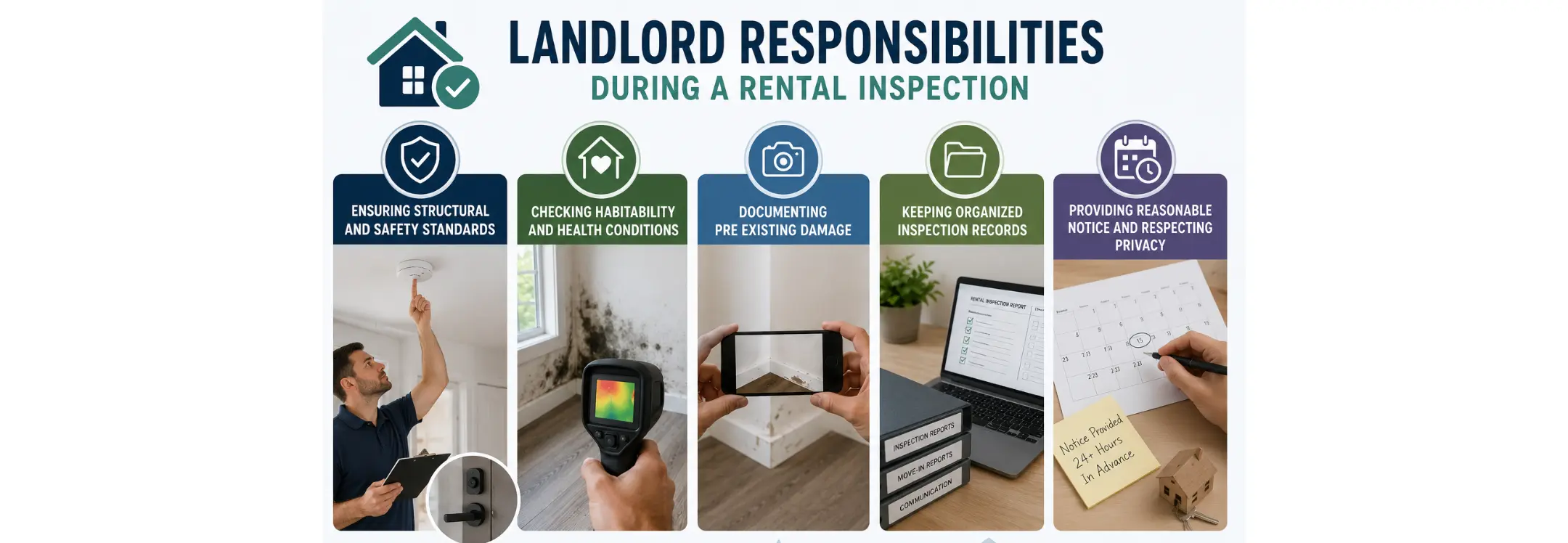
Landlord Responsibilities During a Rental Inspection
Landlords must provide a safe and healthy place to live. Under Canadian law, they have a legal duty to keep the home in good repair. During an inspection, the landlord must look for any safety hazards. They must fix these issues to keep the home liveable. Similarly, knowing your Rental Inspection Reports Landlord Rights helps you manage your properties with confidence.
The inspection is not just a casual walk through the property. It is a formal process that requires attention to detail. Landlords must check every corner of the home to ensure it is secure. They must also document their findings carefully to protect their business investment.
Ensuring Structural and Safety Standards
Landlords must make sure the building is structurally sound. This includes checking the roof, walls, doors, and locks to keep the home secure. They must also test safety devices like smoke alarms and carbon monoxide detectors. These tasks are required by law to keep the tenant safe from harm.
Safety standards are strictly enforced by municipal and provincial authorities across Canada. If a landlord fails to maintain these basic elements, they can face heavy fines. Tenants have the right to report safety violations to local bylaws officers. Therefore, a safety check is a critical part of any routine property inspection.
Checking Habitability and Health Conditions
A rental unit must meet basic health and housing codes. Landlords must check for issues like pest activity, mold growth, or poor heating. In Canada, keeping the home warm during winter is a key legal duty. They must also make sure there is clean running water and proper plumbing.
Healthy living conditions are a fundamental right for every tenant. Mold or pest issues can develop quickly if the property is not monitored. Landlords must address these health hazards as soon as they are discovered. Doing so protects both the structure of the building and the health of the residents.
Documenting Pre Existing Damage
Before the tenant moves in, the landlord must write down all current damage. This includes minor things like worn carpets or scuffed paint. By listing these flaws, the landlord shows the true state of the unit. This prevents the tenant from being blamed for damage they did not cause.
The best way to document damage is to write a detailed list. Both parties should review this list together during the first walk. Taking clear photos of each issue adds a layer of solid proof. This honest record ensures a smooth and fair transition at the end of the tenancy.
Keeping Organized Inspection Records
A professional landlord always keeps neat and accurate records. They must store copies of all signed reports for a few years. These records are very useful if there is a dispute with a tenant later. Having organized files shows you are a responsible and trustworthy property owner.
In some provinces, keeping records is a strict legal requirement. If a landlord cannot produce a signed report, they may lose their case at a rental hearing. Digital storage is a great way to keep these files safe and easy to find. It is a simple step that saves a lot of stress in the future.
Providing Reasonable Notice and Respecting Privacy
Landlords have the right to inspect their property, but they must respect privacy. In Canada, they must give the tenant written notice at least twenty four hours in advance. The notice must state the date, time, and reason for the visit. Inspections must happen during daytime hours, unless there is a real emergency.
Unlawful entry is a serious breach of a tenant's right to quiet enjoyment. Except for emergency repairs, a landlord cannot enter without proper warning. Tenants can dispute any illegal entry with local rental authorities. Respecting these rules builds a healthy and respectful relationship between both sides.
Tenant Responsibilities During a Rental Inspection
Tenants also play a key role in keeping the home in good shape. While they do not own the property, they are responsible for daily care. During an inspection, they should show they are taking care of the home. It is important to understand how these documents interact with Rental Inspection Reports Tenant Rights under local laws.
A tenant must be prepared for the scheduled walkthrough. This means ensuring the home is accessible and safe for the inspector. Working together with the landlord makes the entire process run smoothly. It also shows that the tenant is a reliable and cooperative resident.
Maintaining Cleanliness and Everyday Care
Tenants have a duty to keep the unit clean and tidy. This includes simple chores like cleaning floors, wiping surfaces, and taking out the trash. Tenants should also change lightbulbs and keep appliances in good working order. A clean home stops health risks like mold and pests from starting.
Everyday care is a joint benefit for both parties. A clean home is more comfortable to live in and preserves the property value. If a tenant fails to maintain basic hygiene standards, the landlord can take action. Routine cleaning is the simplest way to avoid major maintenance issues.
Cooperating with Lawful Access
If the landlord gives proper notice, the tenant must allow them to enter. Cooperating with scheduled visits is a vital part of the lease agreement. The tenant can be there during the visit if they wish. However, they must not block the landlord from doing their necessary checks.
Refusing entry after receiving proper notice is a serious lease violation. Landlords have a legal right to inspect and maintain their property. If a tenant repeatedly blocks access, they can face eviction. Therefore, cooperation is both a practical and a legal necessity.
Avoiding Obstructions and Concealment
A tenant must not block access to any area of the home. They should keep doors, vents, and utility spaces clear of clutter. Tenants must never hide damage, such as placing a rug over a large stain. Being honest during the walk is the best way to handle any issues.
Concealing damage only makes the situation worse over time. A small leak hidden behind a box can cause massive structural damage. If a tenant is caught hiding damage, they will be held fully liable for the repair costs. Openness and honesty are always the best policies during a walkthrough.
Reporting Problems Honestly and Promptly
If something breaks, the tenant must tell the landlord right away. Reporting leaks or heating issues in writing helps prevent bigger damage. If a tenant ignores a leak and it ruins the floor, they may have to pay. Prompt reporting keeps the home safe and helps the landlord make quick repairs.
Written communication is highly recommended when reporting problems. Sending an email or a text message creates a clear record of when the issue was reported. This record protects the tenant from being blamed for any resulting damage. It also gives the landlord a reasonable time to arrange repairs.
Avoiding Unauthorized Alterations
Tenants must not make permanent changes to the unit without permission. This includes painting walls, drilling large holes, or changing the locks. If you make changes without written approval, you may have to pay to fix them. Always ask your landlord in writing before making any adjustments to the space.
While some alterations might seem like improvements, the landlord may not agree. For example, building a temporary wall can cause permanent damage to the ceiling and floors. If you want to customize your living space, always get a signed agreement first. This simple step protects your security deposit when you decide to move out.
Shared Responsibilities at Move In and Move Out
Move in and move out checks are best done by both parties together. Under Canadian guidelines, this joint walk is the fairest way to record condition. Both the landlord and the tenant should sign the finished sheet to show they agree. This shared effort prevents arguments and protects everyone's interests from the start.
The first walk should happen when the unit is empty of furniture. The final walk should take place once the tenant has moved all their items out. Both parties must get a signed copy of the final form for their records. This step is key to handling security deposits fairly when the lease ends.
Normal Wear and Tear Versus Tenant Caused Damage
Telling the difference between wear and tear and damage is very important. Normal wear and tear is the natural aging of a home over time. This includes small scuffs on floors, faded paint from the sun, or worn carpet. Landlords must pay for the costs of this natural aging.
Tenant caused damage is different because it comes from neglect or accidents. Examples include big holes in drywall, stained carpet, or broken windows. Tenants are responsible for paying for these repairs before they move out. Using detailed Rental Inspection Reports helps both sides agree on these issues.
How Inspection Reports Help Resolve Common Disputes
When a lease ends, fights over security deposits are very common. A signed move in and move out sheet is the best way to settle these fights. If a landlord claims a tenant broke a door, they can look at the old report. If the report shows the door was already broken, the tenant is safe.
These forms are also key if a dispute goes to a rental board. Board officers rely on written, signed documents to make their final choice. Without a signed checklist, a landlord may lose their claim for repair costs. A clear record makes the process simple, fast, and fair for both sides.
Best Practices to Avoid Responsibility Disputes
The best way to handle disputes is to prevent them from happening. Both sides should approach the walk as a team effort to care for the home. Taking clear photos and videos during the walk provides excellent extra proof. Make sure to write down every detail on the sheet before you sign it.
Also, landlords should set clear cleaning rules in the written lease. Tenants should read these rules and ask questions if they are not sure. Talking openly throughout the lease helps fix small issues before they become big conflicts. This keeps the rental relationship positive for the whole tenancy.
How to Create a Rental Inspection Report with Ziji Legal Forms
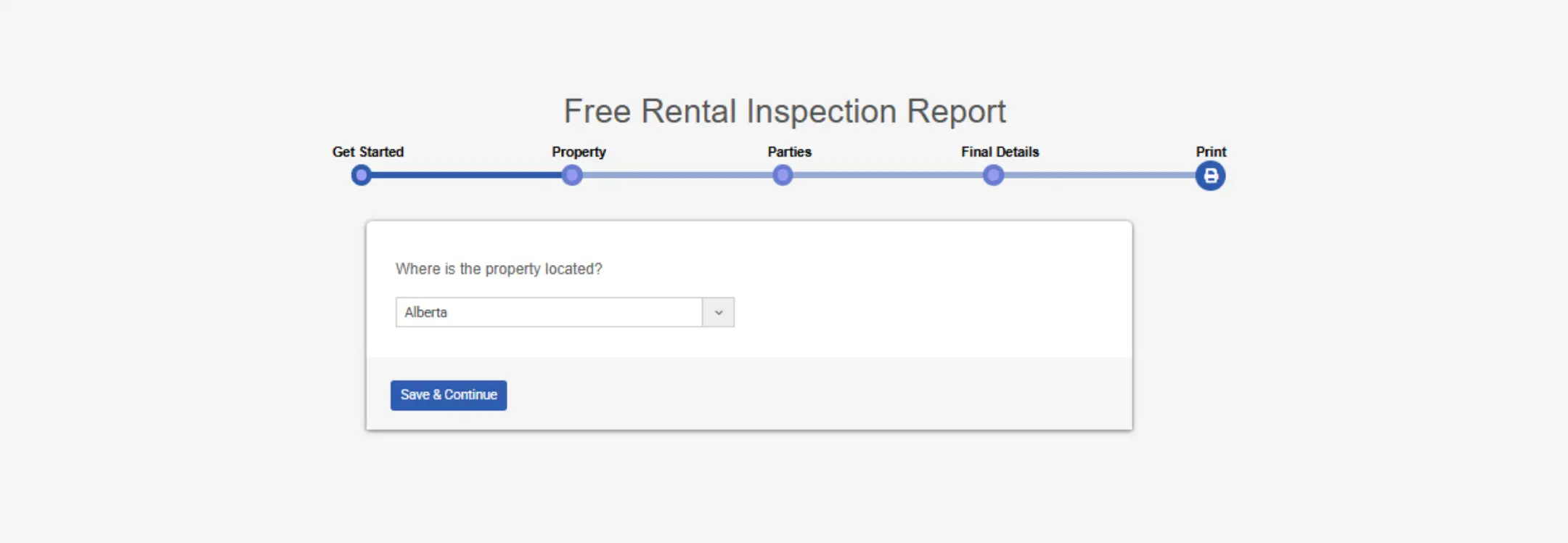
With Ziji Legal Forms, you can Create Rental Inspection Reports in just a few minutes. Using a high quality Rental Inspection Reports template makes this process easy. This ensures you do not miss any key areas during your walkthrough. It also helps you follow local laws and protect your rights.
1. Choose template
2. Add Property Details
Fill in the exact address and unit number of the rental home being checked.
3. Add Party Details
Enter the legal names and contact info of both the landlord and the tenant.
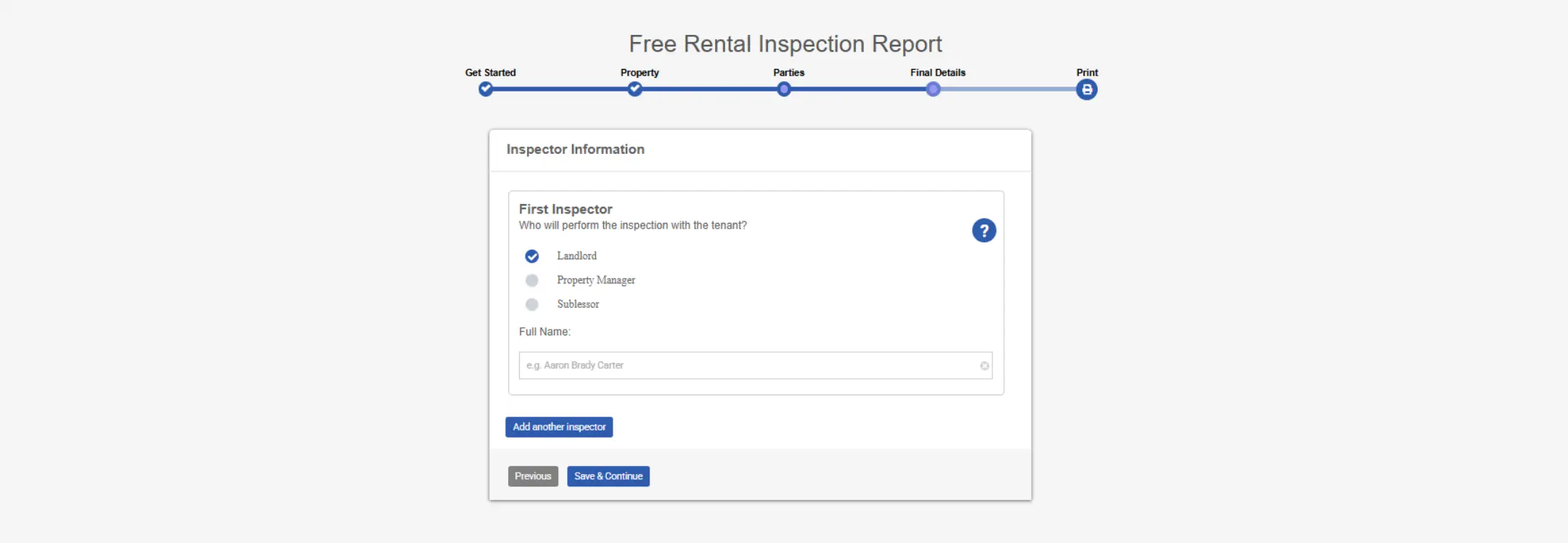
4. Add Final Details
Add the date of the walk and note any special features of each room.
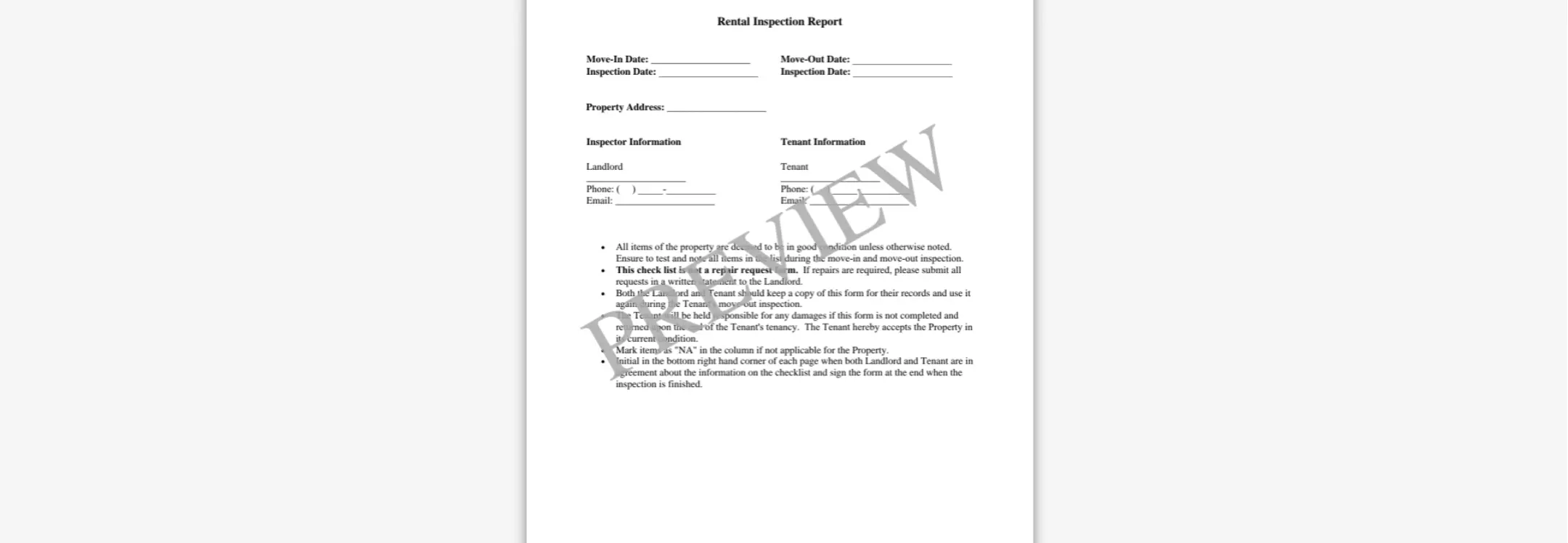
5. Preview and print
Read through your finished document for accuracy and print it out to sign.
Conclusion: Clear Reports Protect Both Sides
A detailed condition sheet is a great shield for landlords and tenants in Canada. By recording the state of the home, both sides can avoid stressful arguments over deposits. It helps build a positive relationship based on clear rules and mutual respect. Taking a little time to do a thorough walkthrough brings peace of mind to everyone. Using Rental Inspection Report Templates created by Ziji Legal Forms is the easiest way to make this process simple and safe.
Rental Inspection Report FAQs
1. What is the purpose of a Rental Inspection Checklist?
Its purpose is to document the condition of a rental property before and after a tenancy to help protect both landlords and tenants.
2. How does a Rental Inspection Checklist help with security deposits?
It provides evidence of the property's condition, making it easier to determine whether deductions for damage are appropriate.
3. Can one checklist cover both inspections?
Yes. The same checklist can be used for move-in and move-out inspections to compare the property's condition over time.
4. What should every Rental Inspection Checklist contain?
It should include detailed observations about each room, appliance, fixture, and any existing damage.
5. Should landlords perform inspections during the tenancy?
Periodic inspections may be permitted depending on provincial laws and the lease agreement, helping identify maintenance issues early.
6. Can the Ziji Legal Forms Rental Inspection Checklist be used anywhere in Canada?
The Ziji Legal Forms Rental Inspection Checklist can be used in all supported Canadian provinces and territories.
Author
Mandar Sonavane
|
Legal Content Writer at Ziji Legal Forms Inc.
Symbiosis International University
Mandar is a legal content writer specializing in the development of clear, practical, and easy-to-understand legal resources. With a strong focus on legal research, content creation, and plain-language writing, he works closely with our legal professionals to ensure that legal documents and educational materials are accurate, accessible, and user-friendly. At Ziji Legal Forms Inc., Mandar is responsible for researching legal topics, drafting and reviewing content, and helping transform complex legal concepts into straightforward guidance that empowers individuals and businesses to confidently navigate their legal needs.
Reviewed By
Histon Shek
|
General Counsel and Co-Founder at Ziji Legal Forms Inc.
University of Alberta
Histon Shek was called to the Alberta Bar in 2006. He holds a BA in Sociology and Philosophy and an LLB from the University of Alberta. As co-founder of Ziji Legal Forms Inc., he focuses on making legal documents accessible and affordable, overseeing legal integrity and content development.





 Canada
 United States