TL;DR- Detailed and objective rental inspection reports help prevent disputes over property condition and security deposits.
- Timestamped photos and joint landlord-tenant walkthroughs provide reliable evidence and build mutual trust.
- Using compliant templates and obtaining signatures from both parties strengthens the report's legal validity.
- Keeping secure digital and physical copies ensures inspection records are always available when needed.
- Ziji Legal Forms makes it easy to create comprehensive Canadian rental inspection reports with professionally designed templates.
Introduction: Why Rental Inspection Reports Matter
Renting a home in Canada is a big step for landlords and tenants. To ensure a smooth move and build trust, checking the property first is vital. Rental Inspection Reports serve as the baseline for this process. They show the state of each room before the tenant moves in. This written record acts as a clear comparison later. It is vital when the lease ends and the tenant moves out.
For landlords, these reports protect rental assets. They are key tools for property management. For tenants, they offer peace of mind. They protect tenants from unfair claims for old damage. Across Canada, housing offices highlight the value of these walks. In many regions, completing them is required by law. By completing these reports correctly, both parties can avoid common disputes.
Mistake 1: Not Documenting Details with Specificity
The Problem with Vague Language
Using broad words like clean or good to describe a room is a major error during a walk. Vague terms are highly subjective. They do not show the real state of the property. A ceiling may have a leak, or a door may have scratches that these terms miss. This vague language invites different opinions. One person may think good means perfect, while another believes it includes minor wear.
Impact on Dispute Resolution
When disputes over damage reach a local tenancy board, vague reports are rarely accepted as proof. Dispute officers require clear, objective facts to make a fair choice. If a move-in report simply states that the floor was fine, proving a tenant caused a new scratch is nearly impossible. Without clear details, the board may decide the damage was already there. Landlords can easily lose their claim on the deposit.
Essential Documentation Elements
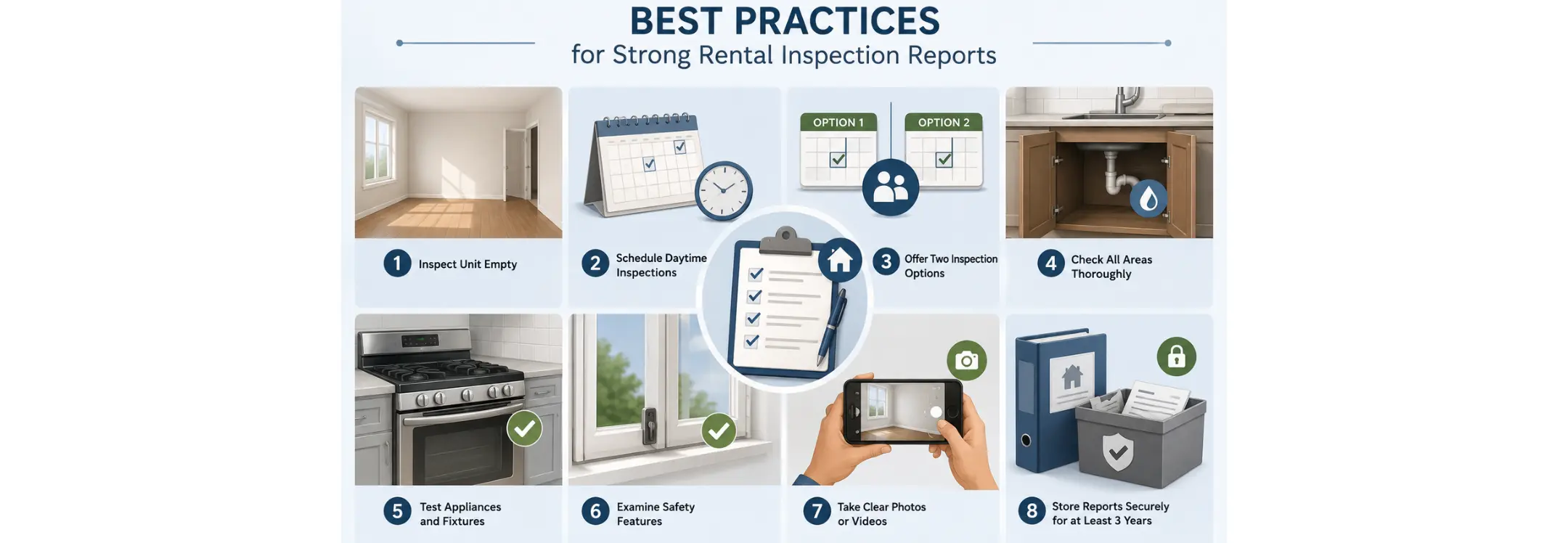
A solid report must check every room in detail. Inspectors must note the condition of walls, ceilings, floors, and windows separately. If a defect is found, recording its exact size and location is necessary. Instead of writing damaged, the report should state that there is a small scratch on the floor. This level of detail removes any doubt. It ensures both parties agree on the state of the home on the first day.
Mistake 2: Skipping Photo Evidence with Timestamps
Why Visual Documentation Matters
Written notes are useful, but photos are the best proof for any property record. High-quality pictures show the state of a room in ways that words cannot. They capture the color, size, and location of any existing wear or damage. This visual record is very helpful for areas like kitchens and bathrooms. Combining clear written notes with good photos creates a strong record of the property condition.
Disputes Resulting from Missing Photos
Without photo evidence, disputes often become a case of one person word against another. Canadian tenancy boards find it hard to resolve cases with only verbal claims. If a tenant says a carpet stain was there when they moved in, and the landlord has no photo, the claim will fail. Missing photos often force boards to rule for the tenant. In those cases, the landlord must pay for the repairs.
Photography Best Practices
To create reliable visual proof, clear standards should be followed. Always take a wide photo of each room to show context before taking close-up shots of any flaws. Ensure the lights are on so details are clear. Most importantly, digital tools that add secure timestamps to photos should be used. A timestamp proves when the image was taken, which prevents claims that the photos are from a different date.
Mistake 3: Not Reviewing Property Together with Both Parties
Benefits of Joint Inspections
The best way to prevent future disputes is to do the property walkthrough together. When the landlord and tenant inspect the unit side by side, they can discuss issues on the spot. This shared process builds trust and ensures both parties share the same views. It provides an immediate chance to discuss what counts as normal wear versus actual damage. A joint walkthrough sets a good tone for the lease.
Problems Arising from Unilateral Inspections
If a landlord conducts the inspection alone, the final report has much less value. Tenants may feel the landlord noted issues unfairly or wrote down damages that do not exist. Likewise, if a tenant does a walkthrough alone, the landlord might dispute the findings. Unilateral inspections often cause mutual distrust. In a dispute, a report made by only one party is usually not accepted by tenancy boards.
Proper Inspection Procedures
To perform a proper joint walkthrough, the session must be planned early. Landlords should offer the tenant at least two choices of dates and times. If the tenant cannot attend, an agent can represent them. During the walk, both parties should review each room slowly. If they disagree on an item, they should write their views directly on the report form.
Mistake 4: Using Outdated or Incomplete Templates
Gaps Created by Generic Forms
Using a basic Rental Inspection Reports template from the web can create serious risks. Many free templates are outdated. They lack key sections because they are made for other countries. A generic form might not check smoke detectors, key counts, or specific appliances. When the form has gaps, landlords are likely to miss these areas during the walk. This leaves the property unprotected in a dispute.
Compliance Issues from Missing Fields
Canadian rental rules are strict about what an inspection record must contain. If the form lacks required fields, it may not be valid. For example, the form must include service addresses and full legal names. In a dispute, a tenancy board officer might reject the entire report due to these errors. This rejection will prevent landlords from claiming damages.
Selecting Appropriate Templates
To avoid these issues, landlords must select high-quality Online Rental Inspection Reports designed for the Canadian market. A good template will include all required legal fields and standard room checklists. It should provide enough space for detailed notes and damage description. Choosing a compliant template ensures the walkthrough is detailed. The final report will stand up in a dispute hearing.
Mistake 5: Failing to Get Signatures from Both Parties
Legal Validity Requirements
A completed inspection report is just a piece of paper until both parties sign it. Signatures are the final proof of the agreement. They show that both the landlord and the tenant have reviewed the form. They agree on its findings. Under Canadian tenancy principles, an unsigned report has almost no legal weight. It is rarely accepted as proof of condition by any tenancy board.
Enforcement Problems
If the landlord fails to get the tenant signature at the end of the walkthrough, enforcing the report findings is very difficult. The tenant can claim they never saw the document. They can also say they did not agree with the notes. Without their signature, the landlord must prove the unit condition alone. This makes it very hard to claim repair costs from the security deposit later.
Proper Signature Procedures
Always sign and date the report right after finishing the walkthrough. Both the landlord and the tenant should sign physical or digital copies. For digital forms, use a secure electronic tool that creates a clear record. Once signed, the landlord must give the tenant a copy within seven days. The move-out report must be delivered within fifteen days.
Mistake 6: Not Keeping Secure Digital or Physical Copies
Vulnerability of Single Documents
Relying on a single paper copy of an inspection report is a risky practice. Paper sheets are easily lost, damaged by water, or ruined in accidents. If the landlord loses the only copy of the report, the main legal protection is gone. Without this record, proving the initial state of the property is impossible. This leaves the owner vulnerable to major financial losses.
Security Deposit Dispute Complications
In Canada, deposit disputes are very common before tenancy boards. The landlord must prove that damage occurred during the lease. If a copy of both reports cannot be produced, the board will likely return the deposit to the tenant. Secure record keeping is the only way to avoid these costly issues.
Secure Document Storage
To protect records, landlords should set up a reliable storage system for Rental Inspection Reports Canada files. Scanning all paper forms and saving them in a secure cloud folder is highly recommended. Digital backups ensure documents are safe and easy to find. Keeping both physical copies and digital backups ensures landlords are always ready for any review.
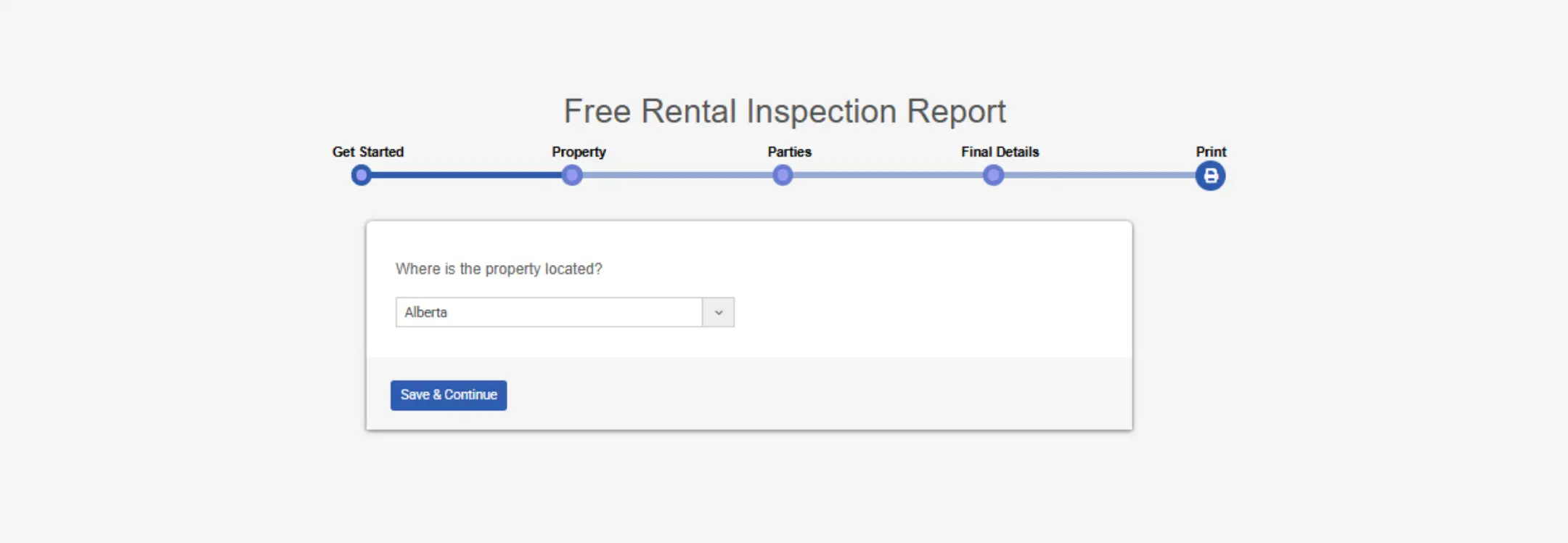
How to Create a Rental Inspection Report Using Ziji Legal Forms
1. Choose template
2. Add Property Details
The landlord inputs the exact physical address and specific structural details of the Canadian rental unit.
3. Add Parties' Details
The landlord enters the full legal names and complete contact information for both parties.
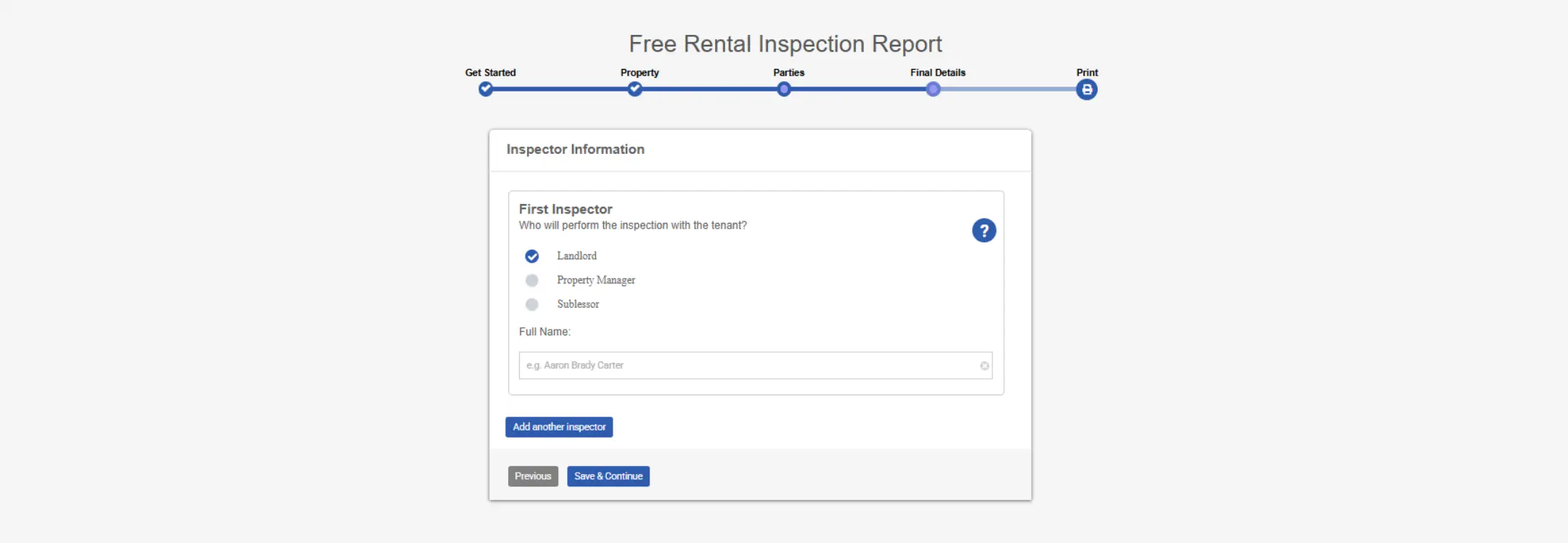
4. Add Final Details
The inspector specifies the exact dates of the inspections and records detailed condition descriptions.
5. Preview and print.
The landlord reviews the completed document for accuracy and prints the final copy for immediate signing.
Using Ziji Templates Reduces Common Mistakes
Using a professional template is the easiest way to prevent Mistakes in Rental Inspection Reports. Ziji Legal Forms provides detailed templates that guide the user through the walkthrough process step by step. These forms ensure that the inspector never misses a room or overlooks a critical feature of the property. By prompting the user to fill in all essential fields, they eliminate gaps and compliance issues.
With Ziji, landlords can easily Create Rental Inspection Reports that comply with Canadian standards. The intuitive platform helps customize documents to suit any specific property. Whether renting a small condo or a large house, these templates provide the structure needed. Utilizing these specialized tools gives both landlords and tenants confidence that their interests are fully protected.
Conclusion: Protect Your Rental Properties with Thorough Inspection Documentation
Thorough property records are the basis of good property management in Canada. Avoiding the common mistakes in this guide will save landlords and tenants time and money. Completing detailed reports and capturing clear photos helps build trust with tenants. If a dispute arises, signed records ensure a swift and fair resolution before a board. Leaving an investment to chance is unwise when protecting it is so simple. Landlords can use Ziji Legal Forms today to draft comprehensive reports and safeguard real estate assets.
Rental Inspection Report FAQs
1. Why is a Rental Inspection Checklist important?
It creates a written record of the property's condition and helps prevent disagreements over repairs and security deposits.
2. When should a Rental Inspection Checklist be completed?
It should be completed before the tenant takes possession of the property and again immediately after they move out.
3. Can landlords and tenants complete the inspection together?
Yes. Completing the inspection together helps ensure both parties agree on the property's condition.
4. What items should be documented?
Every room, appliance, fixture, and visible area of the property should be inspected and recorded.
5. Are photos recommended during the inspection?
Yes. Photos provide additional evidence of the property's condition and complement the written checklist.
6. In which jurisdictions can I use the Ziji Legal Forms Rental Inspection Checklist?
The Ziji Legal Forms Rental Inspection Checklist is designed for use across all supported Canadian provinces and territories.
Author
Mandar Sonavane
|
Legal Content Writer at Ziji Legal Forms Inc.
Symbiosis International University
Mandar is a legal content writer specializing in the development of clear, practical, and easy-to-understand legal resources. With a strong focus on legal research, content creation, and plain-language writing, he works closely with our legal professionals to ensure that legal documents and educational materials are accurate, accessible, and user-friendly. At Ziji Legal Forms Inc., Mandar is responsible for researching legal topics, drafting and reviewing content, and helping transform complex legal concepts into straightforward guidance that empowers individuals and businesses to confidently navigate their legal needs.
Reviewed By
Histon Shek
|
General Counsel and Co-Founder at Ziji Legal Forms Inc.
University of Alberta
Histon Shek was called to the Alberta Bar in 2006. He holds a BA in Sociology and Philosophy and an LLB from the University of Alberta. As co-founder of Ziji Legal Forms Inc., he focuses on making legal documents accessible and affordable, overseeing legal integrity and content development.






 Canada
 United States