TL;DR
- Canadian law does not define a statutory expiration date for travel consent letters, making document validity dependent on specific trip dates and officer discretion.
- Border officials and airline representatives frequently reject open ended or older authorization letters to protect minors and prevent international custody disputes.
- Preparing a fresh document with defined start and end dates ensures smooth entry across foreign borders.
- Parents can Create Child Travel Consent Forms quickly and accurately by using a Ziji Legal Forms template before departing.
Why Validity Is Easy to Misunderstand
Parents often assume that legal forms carry fixed expiration dates similar to passports or driver licenses. Travel authorization works differently because permission remains tied to specific events rather than set calendars. Confusion arises when families try to reuse older documents for new journeys. A letter written for a past trip may look official, but border officials evaluate consent based on current circumstances.
Understanding how authorities judge document freshness helps parents avoid stressful travel disruptions. When a child travels across borders without both legal guardians, border personnel must confirm that parental approval is active. Relying on outdated paperwork creates unnecessary delays at flight check-in counters and immigration checkpoints.
Is There a Legal Validity Period for Child Travel Consent Forms
No Single Federal Rule
Under Canadian legal standards, no single federal law sets a mandatory validity timeframe for minor permission letters. Global Affairs Canada provides official guidance for international journeys, but federal regulations leave document duration flexible. The enforceability of Child Travel Consent Forms Canada depends on the language written directly inside the document. Without explicit expiry dates, the letter remains subject to interpretation by reviewing officers.
Why Airlines and Authorities Apply Their Own Standards
Because federal guidance lacks rigid expiration statutes, individual transport carriers and foreign border agencies set their own compliance checks. Airline agents and immigration officials face strict child protection mandates to prevent international child abductions. Consequently, agents apply rigorous standards when inspecting consent letters.
If a document appears outdated or lacks precise trip boundaries, border staff may refuse boarding or delay entry. Authorities expect consent documentation to reflect recent execution and explicit travel approval. Presenting current documents reassures agents that parental agreement is active and binding.
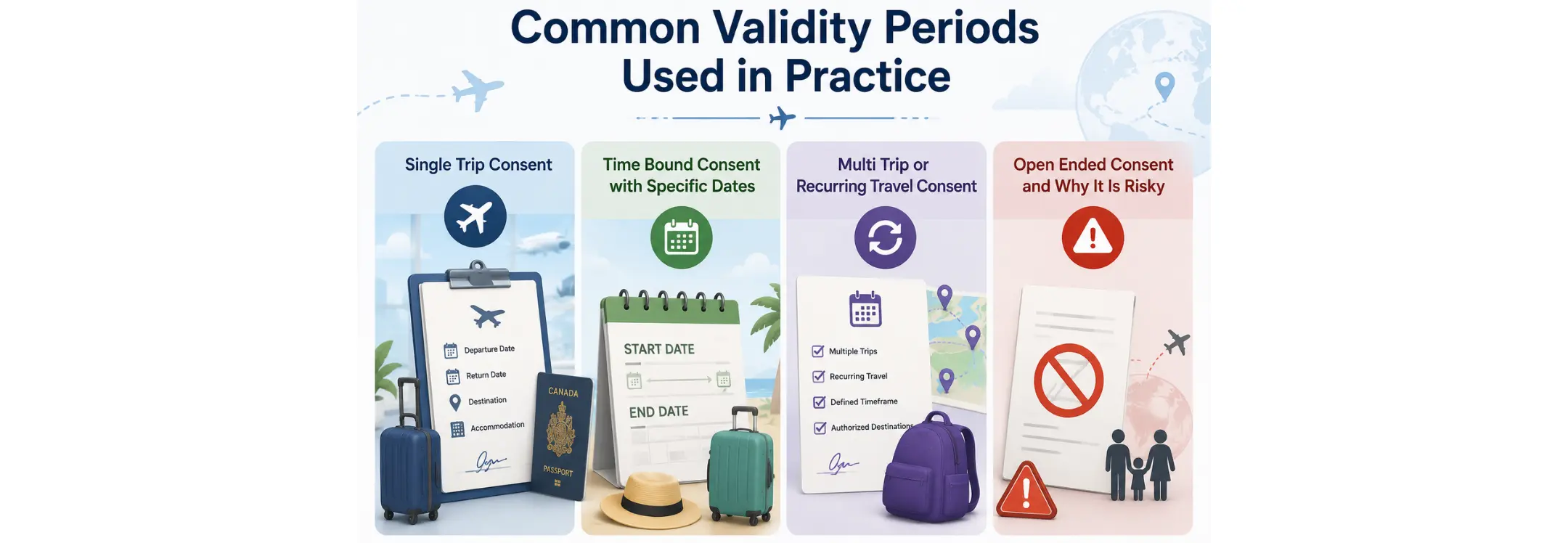
Common Validity Periods Used in Practice
Single Trip Consent
Single trip permission represents the clearest and most widely recognized duration model. This approach defines the exact departure date, return date, destination, and accommodation addresses for one distinct journey. Border officials prefer single trip letters because they establish precise boundaries of parental approval. Once the child returns home on the specified return date, the legal authority granted in the letter naturally terminates.
Time Bound Consent with Specific Dates
Time bound authorization sets a defined calendar window for permission, such as a two week vacation or a month of summer travel. Specifying clear start and end dates ensures that supervisory authority expires automatically when the period concludes. This framework provides flexibility for potential travel delays while keeping legal permissions tightly contained. Non-travelling guardians retain control because approval cannot be extended past the written end date.
Multi Trip or Recurring Travel Consent
Multi trip consent covers recurring travel over a specified timeframe, such as a sports season or frequent cross border visits to relatives. While convenient for busy schedules, multi trip forms must clearly define the total authorization window and recurring destinations. Authorities review recurring letters with extra care to ensure travel patterns match the initial authorization. Adding explicit end dates prevents claims that the approval was meant to last indefinitely.
Open Ended Consent and Why It Is Risky
Open ended consent attempts to grant ongoing authorization without fixed calendar limits. Reusing open ended forms creates significant legal and logistical risks during international travel. Border agencies and immigration staff frequently reject indefinite permission letters because custody arrangements or parental intentions change over time. An open ended letter offers no proof that non-travelling parents approve of a specific journey.
One Time Travel Versus Multiple Trips
When One Time Consent Is Recommended
Executing a one time consent letter is best practice whenever a minor travels outside Canada without both parents. Foreign entry requirements, international border protocols, and airline verification procedures demand complete clarity. A dedicated document tailored to a single itinerary provides undisputed proof of parental approval for that specific journey. It eliminates confusion regarding transit routes, flight numbers, and accompanying caregivers.
When Multi Trip Consent May Be Acceptable
Multi trip permission can be acceptable for routine short distance trips within domestic boundaries or frequent land crossings with established guardians. For example, a minor travelling repeatedly across the land border for regional athletic competitions can utilize seasonal documentation. However, the letter must state the specific season duration and authorized destinations. Even for routine travel, refreshing paperwork annually maintains credibility with border inspectors.
Risks of Reuse Across Different Destinations or Carriers
Reusing a consent letter across different transport providers or trip destinations introduces significant administrative friction. Immigration officers scrutinize documentation when listed destinations do not match flight tickets or travel itineraries. If a letter lists a previous vacation spot or outdated carrier, border agents may question its authenticity. Discrepancies between physical tickets and consent forms often lead to intense questioning and transit delays.
Domestic Versus International Travel Validity Expectations
Short Domestic Trips and Camps
Travel within domestic borders involves fewer formal document checks than international journeys. While federal rules do not strictly require travel letters for domestic flights, camp organizers, sports teams, and chaperones require written authorization. Having proper forms ensures chaperones hold legal authority to care for minors during group activities. It also clarifies custody arrangements if questions arise during provincial travel.
International Travel and Shorter Acceptance Windows
International border authorities operate under strict scrutiny and enforce shorter document acceptance windows. Foreign entry agents expect consent forms to be executed and signed close to the planned departure date. Older documents raise immediate concerns about potential custody disputes or unauthorized international moves. Maintaining recent paperwork ensures seamless entry when crossing foreign borders.
Why Older Consent Letters Are Questioned
Immigration staff question older letters because family relationships and legal decision-making rights evolve. Under Canadian family law standards, custody agreements, parenting orders, and guardianship responsibilities are subject to judicial updates. A consent letter signed months ago cannot confirm that non-travelling parents currently consent to international travel. Fresh documentation confirms active consent and eliminates doubts regarding parental permission.
How Expiry Dates Are Interpreted by Authorities
Airline Staff Versus Immigration Officers
Airline check-in staff and border immigration officers evaluate consent paperwork through different operational standards. Airline employees focus on carrier liability and ticket alignment, checking that travel dates match flight manifests. Immigration officers conduct thorough legal evaluations focused on minor safety and abduction prevention. Both groups possess authority to stop travel if permission details appear suspicious or outdated.
Why Valid Until Revoked Language Often Fails
Phrasing such as valid until revoked frequently fails at border control checkpoints because external officials cannot confirm whether revocation occurred. A non-travelling parent might revoke consent verbally or through legal filings without retrieving physical paper forms. Because border staff cannot verify legal status over the phone, they treat open terms with skepticism. Explicit end dates provide verifiable duration limits that officers can trust.
Importance of Matching Dates with Tickets and Passports
Every date listed on a travel form must align perfectly with passport details, airline tickets, and itinerary schedules. Discrepancies between departure dates on tickets and validity windows on consent forms create immediate red flags. Ensuring precise numerical alignment across all identification papers proves that travel planning is legitimate and fully authorized. Complete accuracy prevents unnecessary holding at border security checkpoints.
Situations That Require a Fresh Child Travel Consent Form
Change in Travel Destination
Any change in travel destination or itinerary requires drafting a new permission document. Border officials inspect listed destinations to verify that parents consented to specific travel locations. Routing a child through a different foreign destination without updated authorization creates compliance issues. Issuing fresh paperwork matching the revised itinerary guarantees full legal compliance.
Change in Accompanying Adult
When a different chaperone or relative accompanies the minor, parents must execute new Child Travel Consent Forms. Consent letters grant temporary supervisory care to specific named individuals. Changing guardians invalidates existing forms and leaves the new chaperone without written legal backing. Updated forms explicitly identify the correct adult supervisor for the journey.
Change in Custody or Legal Authority
Modifications to court orders, divorce agreements, or joint decision-making rights require immediate document updates. Presenting forms signed under outdated custody arrangements violates legal standards and triggers immigration scrutiny. Current custody status must always reflect in travel permissions.
Long Gaps Between Trips
Significant time gaps between planned journeys require fresh consent documentation even if travel details remain identical. Border personnel view old paperwork with caution, suspecting changing family circumstances. Generating new authorization letters before each trip confirms ongoing agreement between parents. Fresh documents ensure hassle-free travel across international transit hubs.
Best Practices for Setting the Right Validity Period
Choosing Realistic Travel Dates
Setting effective validity windows begins with reviewing flight itineraries, layover schedules, and return dates carefully. Start dates should cover departure preparation, while end dates must accommodate final travel home. Accurate date setting ensures continuous legal authorization throughout the travel window. It eliminates coverage gaps during long flight transits or unexpected travel delays.
Adding Buffer Days
Adding a short buffer period to travel dates safeguards against unforeseen delays, flight cancellations, or medical emergencies. Travel disruption can easily extend a trip past planned dates. Extending validity by a few extra days ensures the consent document remains active throughout unexpected schedule changes. This practical cushion keeps chaperones fully authorized until the minor returns home safely.
Aligning Consent Duration with Trip Purpose
Aligning authorization length with trip purpose demonstrates deliberate parental planning to reviewing officers. A brief family holiday requires a short travel window, whereas an exchange program justifies longer coverage. Proper duration alignment shows authorities that permissions are intentionally designed for the specific event. It reinforces the legitimacy of travel paperwork.
Supporting Details That Strengthen Perceived Validity
Notarization and Its Impact
Notarization significantly enhances document authority and reduces immigration questioning. While Canadian regulations do not make notarization mandatory, border officers strongly prefer commissioned consent letters. A notary seal confirms identity verification and signature authenticity, reassuring officials that permission was granted freely. Notarized forms carry substantial credibility during international border reviews.
Attaching Travel Itineraries
Attaching printed flight schedules, hotel reservations, and travel itineraries reinforces the validity of consent paperwork. Detailed itineraries prove that the journey is planned and authorized by non-travelling guardians. Border agents cross-reference attached schedules with consent dates to confirm legitimate travel. This extra layer of detail minimizes transit questioning.
Including Passport Details
Including complete passport numbers, birth certificate registration data, and contact information strengthens authorization letters. Explicit identification numbers tie the consent form directly to official government travel documents. Evaluating Child Medical Travel Forms Validity alongside travel consent ensures health providers can verify identity and render urgent care without delay. Comprehensive details establish clear authorization.
How to Create a Child Travel Consent Form Using Ziji Legal Forms
1. Choose template
2. Add Child Details
Enter the complete legal name, birth date, and passport or birth certificate details of the minor child.
3. Add Supervision Details
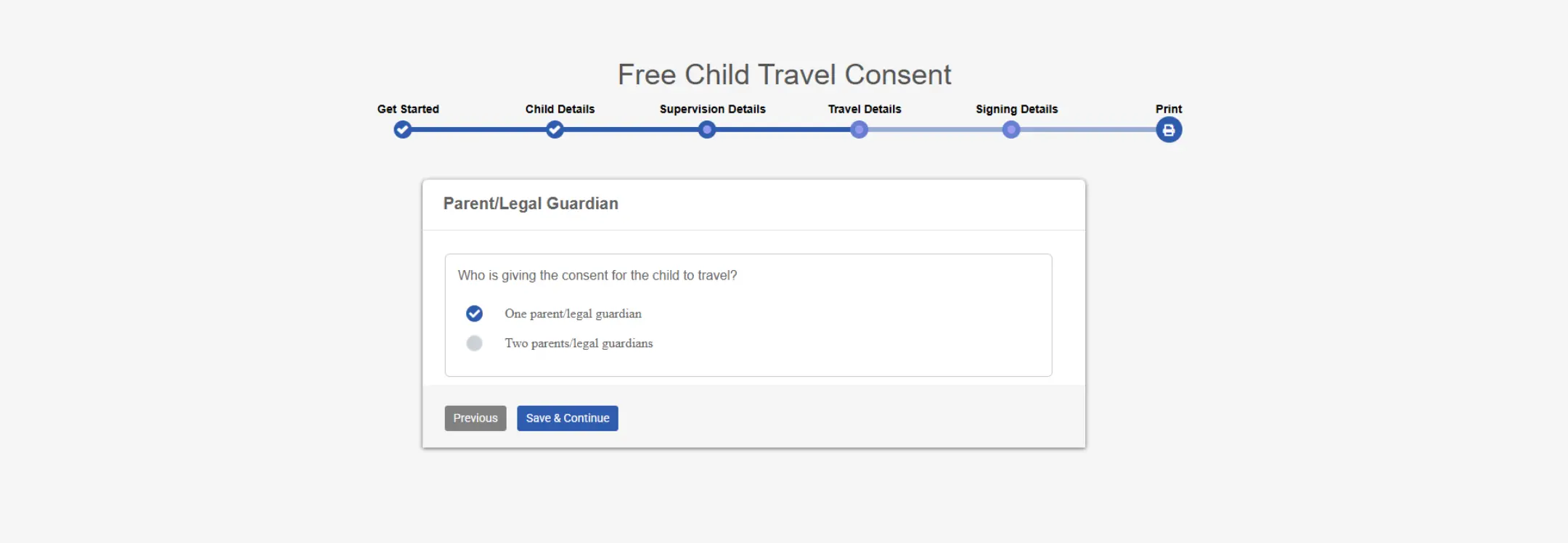
Identify the accompanying adult or state if the minor is travelling alone or with an organization.
4. Add Travel Details
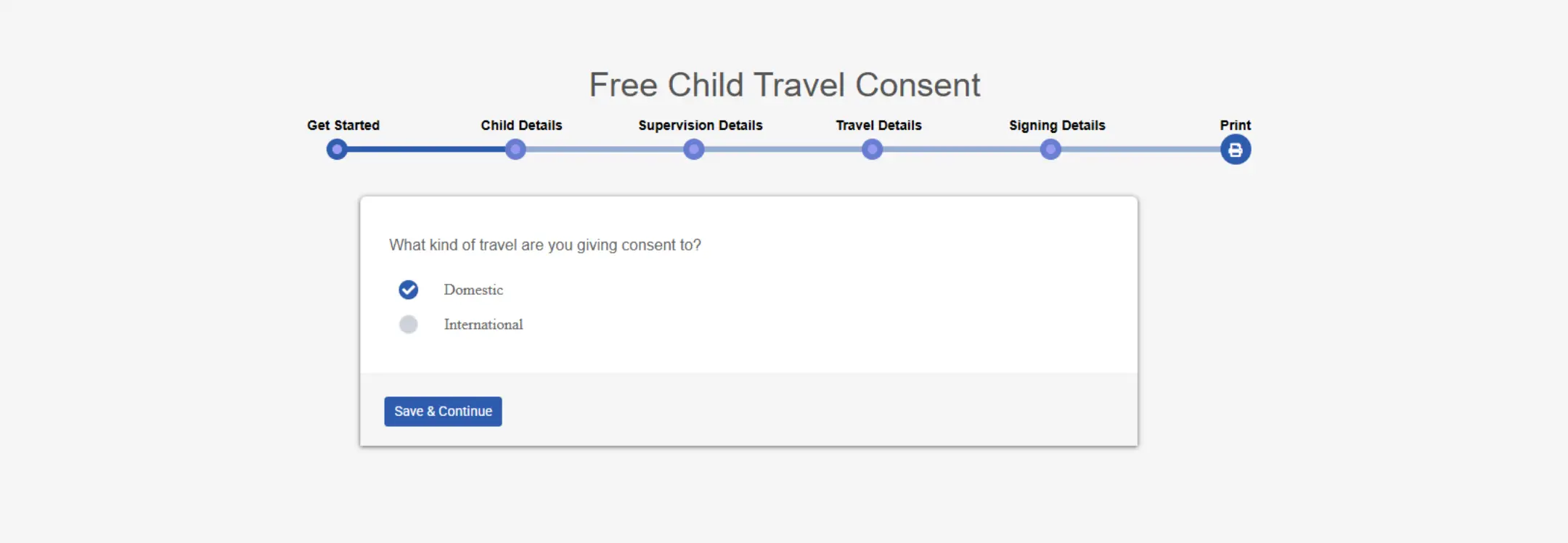
Provide exact departure and return dates along with accommodation details and destination addresses.
5. Signing Details, Preview and print
Add non-travelling guardian contact details, preview the legal text, print, and arrange for notarization.
Conclusion: Treat Consent Validity as a Travel Detail, Not an Afterthought
Managing minor travel authorization requires the same careful preparation as securing passports or flight bookings. While Canadian legal standards do not impose a fixed statutory expiry date on travel permission letters, border officials and airline agents strictly evaluate document freshness and date accuracy. Executing trip-specific paperwork with clear start and end dates eliminates administrative confusion and protects minor safety during transit. Parents should also address Child Medical Travel Forms Validity to ensure accompanying chaperones hold authority to approve healthcare during emergencies. Preparing notarized, detailed documentation guarantees smooth transit across international borders and prevents unnecessary travel interruptions. Utilizing customizable templates simplifies document creation while maintaining full alignment with Canadian family law requirements.
Child Travel Consent Forms FAQs
1. How does a Child Travel Consent protect my child?
It confirms that your child has your permission to travel and helps avoid unnecessary delays during the journey.
2. When should parents complete a Child Travel Consent?
Parents should complete one before a child travels alone or with another responsible adult.
3. Is notarizing the consent form recommended?
Yes. A notarized form provides additional assurance that the signatures are genuine and authentic.
4. Can I authorize any adult to travel with my child?
Yes. You may designate any responsible adult you trust to accompany your child.
5. Will a Child Travel Consent help with domestic flights?
Yes. Many parents carry one because airlines or travel authorities may request proof of parental permission.
6. What jurisdictions are covered by the Ziji Legal Forms Child Travel Consent?
The Ziji Legal Forms Child Travel Consent can be used in all jurisdictions throughout the United States.
Author
Mandar Sonavane
|
Legal Content Writer at Ziji Legal Forms Inc.
Symbiosis International University
Mandar is a legal content writer specializing in the development of clear, practical, and easy-to-understand legal resources. With a strong focus on legal research, content creation, and plain-language writing, he works closely with our legal professionals to ensure that legal documents and educational materials are accurate, accessible, and user-friendly. At Ziji Legal Forms Inc., Mandar is responsible for researching legal topics, drafting and reviewing content, and helping transform complex legal concepts into straightforward guidance that empowers individuals and businesses to confidently navigate their legal needs.
Reviewed By
Histon Shek
|
General Counsel and Co-Founder at Ziji Legal Forms Inc.
University of Alberta
Histon Shek was called to the Alberta Bar in 2006. He holds a BA in Sociology and Philosophy and an LLB from the University of Alberta. As co-founder of Ziji Legal Forms Inc., he focuses on making legal documents accessible and affordable, overseeing legal integrity and content development.







 Canada
 United States