TL;DR
- Planning early represents the most reliable method to protect family wealth and ensure that dependents receive proper care.
- Establishing a testamentary trust within a Will prevents minor children from receiving their entire inheritance as a single lump sum.
- Designating a guardian in a Will serves as highly persuasive evidence for Canadian courts during the permanent custody process.
- Creating an Online Last Will and Testament with Ziji Legal Forms ensures provincial compliance while saving substantial legal fees for families.
Introduction: Why Children Must Be Central in Estate Planning
Parenthood is a journey marked by continuous dedication, financial investment, and emotional support. While parents work hard to satisfy the daily needs of their families, true long-term care requires looking far into the future. Establishing the Right Estate Plan is an essential and thoughtful step to protect the next generation.
Many Canadian parents assume that estate planning is a task reserved exclusively for wealthy individuals or older retirees. In reality, any parent with dependent children needs a clear legal strategy to ensure their family remains safe and supported if an unexpected tragedy occurs. Without a plan, the future of these dependents is left to statutory government guidelines.
A valid Last Will and Testament is the most reliable tool to achieve this protection. It serves as a parent's final voice, ensuring that their specific intentions are known. This document guides surviving family members and reduces administrative challenges during a very difficult emotional transition.
Key Considerations for Children in an Estate Plan
When parents decide to Create Last Will and Testament, the needs of their children must remain the primary focus. Leaving important decisions to chance can lead to extended court battles and painful family disagreements. A structured plan ensures that parents control how their children are raised and supported.
A comprehensive estate strategy addresses several essential areas that impact the long-term well-being of dependents. These decisions involve much more than simply dividing physical property or bank accounts. Parents must carefully evaluate personal guardianship, trust management, and immediate financial resources.
Understanding how provincial laws affect these decisions is critical for a successful plan. Since estate laws vary across Canada, parents must ensure their documents comply with local regulations. This professional approach guarantees that the designated protections are legally enforceable.
Naming Guardians for Minor Children
Appointing a personal guardian is a vital step in protecting minor children. If both parents pass away without a Will, the provincial court assumes the authority to select a guardian. Although courts prioritize the best interests of the child, judges do not know family histories or preferences.
Naming a guardian in a Will provides clear, persuasive guidance to the court. Under provincial statutes like the Children's Law Reform Act in Ontario, a testamentary guardian appointment lasts for only ninety days. The named individual must apply to the court for a permanent appointment during this period. The parent's written wishes serve as the primary evidence in court.
Personal values
Evaluating the personal values of a potential guardian is a core requirement. Parents should consider whether the candidate's parenting philosophy, moral beliefs, and educational views align with their own. This alignment ensures that the children are raised in a familiar and supportive environment.
The chosen guardian will shape the character and worldview of the children during their most formative years. This immense responsibility requires open discussion before the Will is finalized. Confirming the candidate's willingness to accept the role prevents confusion and potential refusal later.
Financial capability
Raising a child to adulthood involves a significant financial commitment. Statistics Canada indicates that the average cost to raise a child to age seventeen is approximately two hundred and ninety-three thousand dollars. This calculation does not include the rising costs of post-secondary education.
Parents must assess whether a potential guardian is financially stable and capable of managing a household. Even though the estate should provide the necessary funds, the guardian needs the practical skills to manage these resources. Selecting a responsible and organized individual helps prevent unnecessary financial stress.
Geographic considerations
The physical location of a proposed guardian is another vital factor that affects emotional stability. Relocating to a new city or province can be highly disruptive for a grieving child. It may force them to leave their school, sports teams, and childhood friends.
Choosing a guardian who lives nearby allows children to maintain some continuity during a difficult period. Staying close to familiar support networks helps them navigate their grief. If a long-distance relocation is necessary, parents should plan the transition carefully to minimize emotional trauma.
Establishing Financial Protection Through Trusts
Naming a guardian in a Will provides clear, persuasive guidance to the court. Under provincial statutes like the Children's Law Reform Act in Ontario,
a testamentary guardian appointment lasts for only ninety days. The
named individual must apply to the court for a permanent appointment
during this period. The parent's written wishes serve as the primary
evidence in court.
Life Insurance as Immediate Financial Support
Administering an estate requires time, and probate delays can restrict access to assets for several months. Life insurance serves as a vital tool by providing immediate, tax-free financial support to dependents. This liquidity covers urgent expenses like housing and daily care.
Parents should avoid naming minor children directly as beneficiaries on a life insurance policy. Insurance companies are legally barred from paying funds directly to minors. This mistake triggers automatic court involvement or Public Trustee management of the insurance proceeds.
To prevent these delays, parents can designate a reliable adult trustee for the minor children on the policy form. Another option is to direct the policy proceeds to flow directly into the testamentary trust established within the Will. This strategy ensures seamless financial access.
Digital Assets and Modern Considerations
Daily life is increasingly connected to the digital world, but parents often overlook digital assets when planning their estates. In Canada, laws regarding digital asset succession are still developing, making clear written instructions essential. Only a few provinces have passed specific laws regarding fiduciary access.
Without explicit authorization in a Will, an executor may face significant legal roadblocks when trying to manage online accounts. Including a comprehensive digital asset clause in a Will grants the executor the legal authority to act. This clause allows them to access, transfer, or close accounts safely.
Cryptocurrency and Digital Financial Assets
Cryptocurrencies, digital wallets, and online portfolios represent real financial value belonging to heirs. These assets are secured by private keys and passwords that cannot be recovered through court orders. If a parent does not leave clear instructions, this digital wealth is lost forever.
A Will should explicitly authorize the executor to manage cryptographic assets. However, private keys and passwords must never be written directly in the Will. Since a Will becomes a public document after probate, sensitive codes should be stored securely in a password manager.
Social Media and Personal Digital Content
An online legacy also includes sentimental assets such as personal emails, photos stored in the cloud, and social media profiles. Most platforms have strict privacy policies that prevent third-party access after death. This restriction can lock families out of precious memories.
An estate plan should dictate exactly how these personal accounts should be handled. Parents can specify whether they want profiles deleted or converted into memorial spaces. Appointing a tech-savvy digital executor ensures these sensitive materials are managed with appropriate privacy and respect.
Common Estate Planning Mistakes to Avoid
Simple estate planning mistakes can compromise the future security of a family. Understanding these common traps in the Canadian context allows parents to take protective actions. Avoiding these frequent errors keeps the transition simple for children and ensures they receive the intended support.
A review of the most common mistakes reveals how easily they can be prevented. Utilizing modern online tools helps parents avoid these oversights entirely. This professional approach ensures that assets are distributed correctly and efficiently.
Failing to Update Beneficiary Designations
Many financial assets bypass a Will entirely through direct beneficiary designations. These include pension plans and life insurance policies. A frequent mistake is failing to update these designations after major life changes. These changes include marriage, divorce, or the birth of a child. Understanding the different types of beneficiaries and when each should be used can help ensure your estate plan reflects your intentions and avoids unintended outcomes.
A named beneficiary on a policy will usually override any conflicting instructions in a Will. This means an ex-spouse could inherit policy proceeds if the form is not updated. Reviewing these designations every few years keeps the entire estate plan aligned.
Inadequate Guardian Preparation
Naming a guardian in a Will is only the first step in the process. Parents must also prepare the candidate for this major responsibility. Failing to have an open conversation with the chosen guardian can lead to shock or refusal after a parent passes away.
Discussing the practical, emotional, and financial demands of the job beforehand is vital. This conversation ensures the candidate is willing and able to accept the role. Preparing the guardian in advance ensures they can step in with confidence and provide a loving environment.
Underestimating Financial Needs
Raising a child to adulthood is a major financial undertaking. Underestimating these costs is a frequent error in estate planning. Without adequate resources, a guardian may struggle to maintain the child's lifestyle or cover educational expenses.
Parents should examine their current net worth, investments, and life insurance coverage. Ensuring there is sufficient wealth to cover health, school, and housing needs is essential. Proper planning prevents the guardian from facing financial hardship.
Making A Will with Ziji Legal Forms in Easy Steps
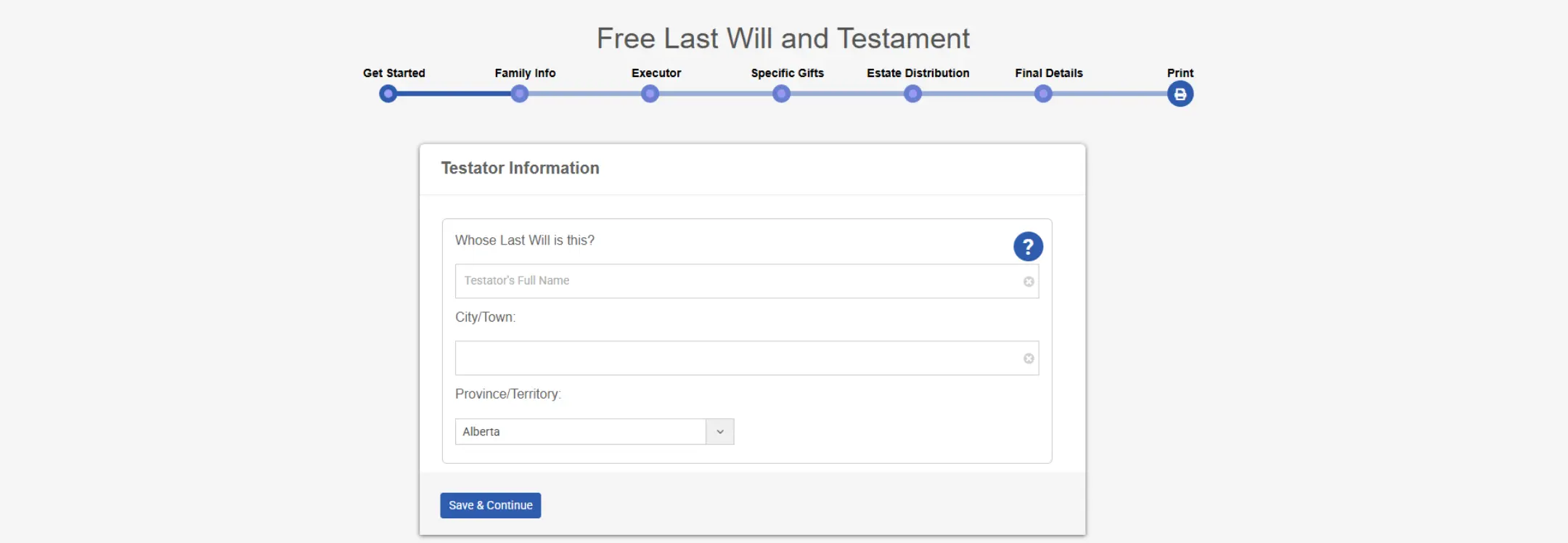
Securing a family's future does not need to be a complicated or expensive legal endeavor. Parents can easily create a legally valid, provincially compliant document online using a straightforward process. This tool allows families to complete their planning efficiently and affordably.
1. Choose Template
2. Answer a Few Guided Questions
Complete an interactive online questionnaire designed to capture details about family assets, guardians, and trust preferences.
3. Review Your Will
Review the generated document, print the file, and sign it before two witnesses to establish a legally binding Will.
Conclusion
Taking the time to plan is the most effective way to Secure Children's Future and protect a family. By naming trusted guardians and establishing testamentary trusts, parents can provide a clear and supportive path for their dependents. Ziji Legal Forms makes it simple to build a comprehensive and provincially valid plan from the comfort of home. Leaving these decisions to chance can lead to unnecessary legal and financial stress for surviving family members. Parents can take action today to draft their Online Last Will and Testament and protect the ones they love most. This simple step provides the necessary security for the children and peace of mind for the entire household.
Last Will and Testament FAQs
1. What is a Last Will?
A Last Will is a legal document that explains how you want your estate distributed after your death. It also allows you to appoint an executor, name guardians for minor children, and include other final wishes.
2. Why is having a Last Will important?
A Last Will ensures your estate is distributed according to your wishes instead of provincial or territorial intestacy laws, helping reduce disputes among family members.
3. Is an online Last Will legally valid in Canada?
Yes. An online Last Will is legally valid if it complies with the legal requirements of your province or territory, including proper signing and witnessing.
4. Do I need witnesses or notarization for my Last Will?
Most Canadian jurisdictions require two witnesses but do not require the Will itself to be notarized. An affidavit may also be completed to simplify probate.
5. What happens if I die without a Will?
If you die without a valid Will, your estate will be distributed according to the intestacy laws of your province or territory, which may not reflect your wishes.
6. Which jurisdictions can use the Ziji Legal Forms Last Will?
The Ziji Legal Forms Last Will can be used in all supported Canadian provinces and territories.
Author
Mandar Sonavane
|
Legal Content Writer at Ziji Legal Forms Inc.
Symbiosis International University
Mandar is a legal content writer specializing in the development of clear, practical, and easy-to-understand legal resources. With a strong focus on legal research, content creation, and plain-language writing, he works closely with our legal professionals to ensure that legal documents and educational materials are accurate, accessible, and user-friendly. At Ziji Legal Forms Inc., Mandar is responsible for researching legal topics, drafting and reviewing content, and helping transform complex legal concepts into straightforward guidance that empowers individuals and businesses to confidently navigate their legal needs.
Reviewed By
Histon Shek
|
General Counsel and Co-Founder at Ziji Legal Forms Inc.
University of Alberta
Histon Shek was called to the Alberta Bar in 2006. He holds a BA in Sociology and Philosophy and an LLB from the University of Alberta. As co-founder of Ziji Legal Forms Inc., he focuses on making legal documents accessible and affordable, overseeing legal integrity and content development.









 Canada
 United States