TL;DR
- Include key provisions such as a clear executor, detailed asset distribution, alternate beneficiaries, guardianship arrangements, and supporting clauses to reduce the risk of family disputes.
- Keep your Last Will and Testament up to date after major life events like marriage, divorce, the birth of a child, or significant changes to your assets.
- Take proactive steps to strengthen your Will, including documenting mental capacity, safely storing the original document, and communicating your estate plan with loved ones.
- Canadian estate laws vary by province and territory, so ensure your Will complies with the legal requirements where you live.
- Create a province-compliant Last Will and Testament quickly and easily using Ziji Legal Forms, with guided questions and a simple review process before signing.
Introduction
Planning an estate is a vital step for every Canadian adult. It protects families and preserves hard-earned assets. A valid Last Will and Testament Canada acts as the core of this planning process. This document provides clear instructions on how to distribute property after death. Without a proper plan, provincial laws will divide the estate. These default laws might not align with the true wishes of the deceased. This situation often causes high taxes, long delays, and painful family arguments.
A well-drafted legal document eliminates doubt. It reduces the risk of stressful court battles. Understanding how to build an estate plan under Canadian rules is essential. By using a trusted Last Will and Testament template, individuals can customize their arrangements. This step brings peace of mind and protects the family legacy.
Canadian estate laws vary across provinces and territories. In most jurisdictions, the minimum age to write a will is eighteen. However, some provinces set the age of majority at nineteen. In Quebec, notarial wills have unique execution rules. These regional differences highlight the need for a compliant Online Last Will and Testament.
Clear Identification of the Testator and Intent
To establish a valid legal document, one must clearly identify the testator. This process requires stating the full legal name, current address, and marital status. These details are vital because estate laws are provincial. The home address determines which regional legal framework applies to the estate. Clear details prevent identity confusion. This ensures the document connects uniquely to the correct person.
Along with identity, the document must explicitly state the intent of the testator. The text must declare that this is the final will. It must show the testator has sound mind and acts freely. The document should also include a revocation clause. This clause cancels all older wills and codicils. It prevents outdated plans from causing conflicts during the probate process.
Appointment of a Trustworthy and Neutral Executor
The executor manages the estate after the testator passes away. This person pays final debts, handles taxes, and distributes remaining assets to beneficiaries. In Quebec, this role is called a liquidator. Choosing a trustworthy and neutral executor is a great way to prevent family conflict. A biased choice can create deep distrust among heirs.
It is wise to appoint a backup executor as well. If the primary choice cannot act, the alternate steps in smoothly. When individuals Create Last Will and Testament documents, they should talk to executors first. Confirming their willingness to serve prevents future delays. A clear appointment protects the estate from administrative setbacks.
The executor must often apply for probate. This court process verifies the validity of the will. In most provinces, courts require an Affidavit of Execution to approve the document. This is a sworn statement by one of the witnesses. It must be signed before a commissioner of oaths or notary.
Specific Asset Distribution with Detailed Descriptions
To prevent family fights, the document should outline specific asset distribution. Describe each major asset with high precision. Vague descriptions often spark intense disputes among relatives. For example, leaving all jewelry to children causes arguments over specific items. Instead, specify the exact item alongside the recipient name.
Distinguish between specific gifts and the residue of the estate. The residue includes all assets left after debts and specific gifts are paid. Specifying who receives the residue is vital. It ensures no property is left unplanned. This clear structure guides the executor and reduces emotional tension.
Testators must understand how their property is owned. Assets in joint tenancy have a right of survivorship. These pass automatically to the surviving owner and bypass the estate. However, property owned as tenants in common does not pass automatically. These details dictate how assets must be listed.
Alternate Beneficiaries for Key Assets
Failing to name backup recipients is a common estate planning error. If a beneficiary passes away first, the gift might lapse. This means the asset goes to unintended heirs under default laws. To prevent this, name alternate beneficiaries for all major gifts. This keeps the planning predictable and secure.
Understanding the various Types of Beneficiaries in Last Will and Testament planning is essential. Primary beneficiaries are the first choice to receive a gift. Contingent beneficiaries inherit only if primary recipients pass away first. Residual beneficiaries receive the remaining balance. Using these levels ensures the plan remains robust.
Certain accounts bypass probate automatically. These include Tax-Free Savings Accounts and Registered Retirement Savings Plans. Life insurance policies with named beneficiaries also pass outside the estate. For these assets, naming alternate beneficiaries directly on the account is critical. It ensures funds go directly to loved ones.
Explanation for Unequal or Excluded Inheritances
In Canada, testators generally enjoy testamentary freedom. However, they have legal duties to support dependent family members. Completely excluding a close family member can lead to a court challenge. If a testator chooses to distribute an estate unequally, a clear explanation is crucial.
The testator can include a respectful clause explaining the decision. For example, the text can state that a child received financial help earlier. Avoid using emotional or hurtful language. This only increases resentment and provokes lawsuits. A factual explanation helps courts understand the true intent.
The courts recognize a moral obligation to immediate family. Grieving relatives who feel excluded may challenge the will. This is especially true for adult children. A clear written statement of intent protects the choices of the testator. It shows the decision was deliberate and well-considered.
Personal Property Memorandum
A personal property memorandum is a separate list for sentimental items. It specifies who receives family heirlooms, books, or art. This tool allows updates without rewriting the entire will. Under Canadian laws, a separate list is typically not legally binding. This is true unless it meets strict rules.
Even if not legally binding, it still guides the executor. Most family members will respect a signed list of wishes. This prevents arguments over physical belongings. To use this tool, the main will must contain a clause referencing the memorandum. Sign and date every change to avoid confusion.
Keep the memorandum focused on items of modest value. Major assets like real estate or investment portfolios must remain in the will itself. Attempting to distribute large assets through an informal list causes legal confusion. This division preserves clarity and keeps the planning process smooth.
Guardianship Provisions with Contingency Plans
Naming a guardian is an absolute necessity for parents of minor children. This person cares for the children if both parents pass away. Without a named guardian, provincial authorities step in. The court then decides who raises them. This process causes immense stress and family fights.
Under Canadian law, a guardianship choice in a will is temporary. It often lasts for ninety days. After this, the guardian must apply to the court for permanent status. The court always decides based on the best interests of the child. Always name an alternate guardian as a backup plan.
Guardianship rules can be complex for blended families. A guardian's power is limited by the rights of the surviving parent. Usually, a surviving parent who is a legal guardian gets care. However, exceptions exist if safety concerns arise. Naming a preferred guardian helps the court make the best choice.
No-Contest Clause and the In Terrorem Principle
A no-contest clause deters beneficiaries from challenging the will. It states that unsuccessful challengers forfeit their inheritance. In Canada, these clauses face strict limits. Courts interpret them very narrowly. For a no-contest clause to be valid, it must include a clear gift-over provision.
A gift-over provision specifies where the forfeited gift goes. Without this, courts view the clause as an idle threat and declare it void. Also, a no-contest clause cannot block dependent support claims. Blocking support is against public policy. Using a professional template ensures compliance.
Canadian courts prioritize public policy over restrictive clauses. A clause cannot defeat statutory rights or exclude court jurisdiction. However, a carefully drafted clause can deter weak common law challenges. These include claims of undue influence or lack of capacity. This protects the estate from unnecessary litigation.
Final Message or Statement of Intent
A personal message allows the testator to express core values. This section is not legally binding. However, it helps prevent emotional conflicts. The testator can explain hopes for the family. The writer can express love or provide guidance. This helps beneficiaries find comfort.
The statement can also outline preferences for memorial services. While funeral wishes are not legally binding, they offer guidance. Keep these reflections separate from distribution clauses. This ensures the legal wishes remain clear. It provides meaningful closure for the grieving family.
This ethical legacy helps prevent disputes. It reminds beneficiaries of the testator's affection. It can explain the distribution philosophy behind the decisions. This reduces misunderstandings and reinforces family unity during estate administration. It acts as a supportive companion to the formal legal document.
Five Steps to Prevent Someone from Contesting a Will
Even with a great plan, challenges can happen. Will contests can exhaust estate assets through high legal fees. Fortunately, testators can take proactive steps during their lifetime. Implementing these strategies makes it much harder to dispute final decisions. This keeps the estate secure.
1. Obtain Medical Confirmation of Capacity at Signing
Claims of lack of capacity are common in court. To prevent this, obtain a written assessment from a doctor. This medical note must be dated close to the signing day. It confirms the testator understood the decisions when signing.
2. Store a Letter of Wishes or Explanation with the Will
A Letter of Wishes explains choices in the writer's words. It is not legally binding. However, it is highly persuasive to Canadian courts. Writing a clear letter explains why unequal gifts were made. This proves decisions were deliberate and free from pressure.
3. Register and Safely Store the Will
The executor must locate the original document. Store the original will in a fireproof home box. Provide the executor with clear instructions to access it. Registering the will's location also makes it easily discoverable when needed.
4. Keep the Will Updated and Document Changes
An outdated plan is highly susceptible to legal challenges. The testator should update the plan after major life events. These include marriage, divorce, or buying property. Regular updates ensure the document reflects current reality. This reduces ambiguous terms.
5. Communicate the Plan to Family and Beneficiaries
Surprises trigger family legal battles after a death. Discussing the estate plan with family can manage expectations. This open communication allows loved ones to ask questions. It reduces shock and the likelihood of litigation, preserving peace.
How to Make a Legally Valid Will with Ziji Legal Forms
Creating a legally binding estate plan is simple. With Ziji Legal Forms, individuals can easily generate an Online Last Will and Testament Canada. The guided platform is designed to make estate planning accessible. It helps users meet all necessary provincial legal requirements.
1. Choose Template.
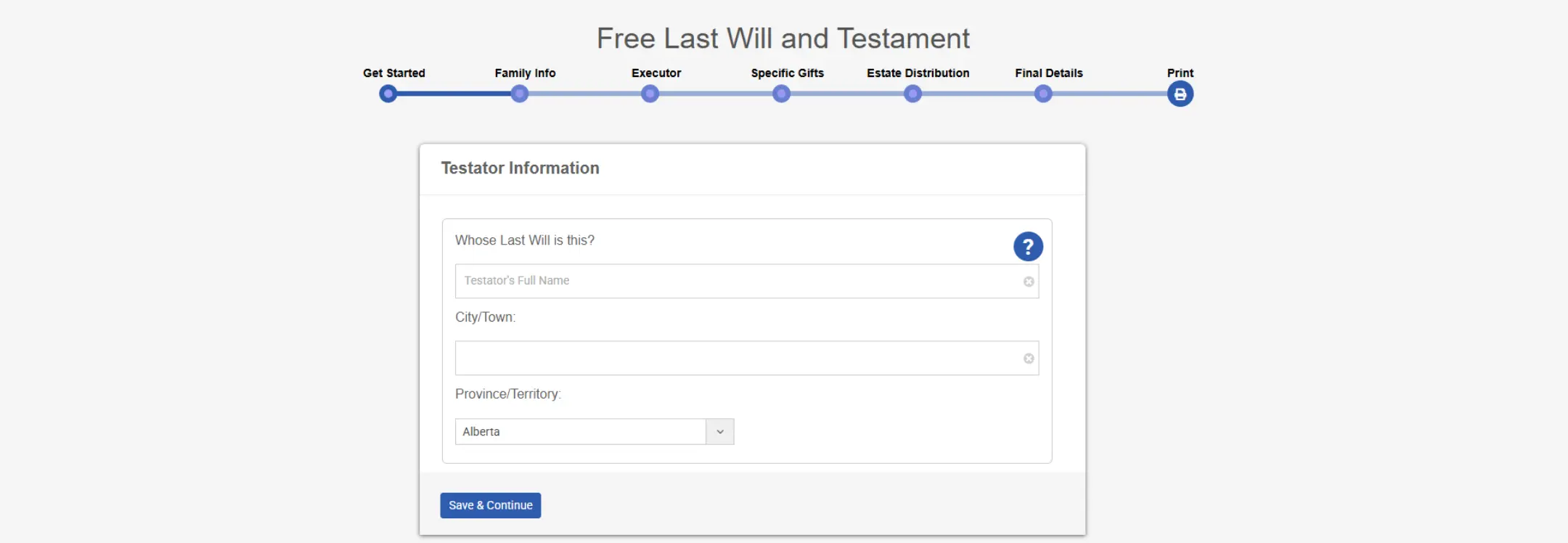
2. Answer Guided Questions
Users complete a straightforward questionnaire to input their family details, appoint executors, and designate beneficiaries with ease.
3. Review Your Will
The platform allows individuals to carefully review the final document for accuracy before printing and signing.
Conclusion
Creating a clear estate plan is the best way to protect a legacy. By outlining wishes clearly, individuals ensure their loved ones are cared for. Choosing a trustworthy executor reduces administrative stress and prevents family disputes. Ziji Legal Forms provides the tools needed to build a secure will from home. Do not leave the future of the family to chance. Taking this step safeguards assets and brings lasting peace of mind.
Last Will and Testament FAQs
1. What does a Last Will do?
A Last Will provides instructions for distributing your assets, appointing an executor, and protecting your loved ones after your death.
2. Who should have a Last Will?
Every adult should consider having a Last Will to ensure their estate is handled according to their wishes.
3. Can I create a legally valid Will online?
Yes. A Will created online can be legally valid when it meets the legal requirements of your province or territory.
4. Does my Last Will need to be notarized?
Generally, no. Most jurisdictions require witnesses rather than notarization, although an affidavit may help streamline probate.
5. What if I never make a Will?
Without a Will, provincial or territorial laws determine who inherits your estate, regardless of your personal preferences.
6. Where can the Ziji Legal Forms Last Will be used?
The Ziji Legal Forms Last Will is designed for use throughout the supported jurisdictions in Canada.
Author
Mandar Sonavane
|
Legal Content Writer at Ziji Legal Forms Inc.
Symbiosis International University
Mandar is a legal content writer specializing in the development of clear, practical, and easy-to-understand legal resources. With a strong focus on legal research, content creation, and plain-language writing, he works closely with our legal professionals to ensure that legal documents and educational materials are accurate, accessible, and user-friendly. At Ziji Legal Forms Inc., Mandar is responsible for researching legal topics, drafting and reviewing content, and helping transform complex legal concepts into straightforward guidance that empowers individuals and businesses to confidently navigate their legal needs.
Reviewed By
Histon Shek
|
General Counsel and Co-Founder at Ziji Legal Forms Inc.
University of Alberta
Histon Shek was called to the Alberta Bar in 2006. He holds a BA in Sociology and Philosophy and an LLB from the University of Alberta. As co-founder of Ziji Legal Forms Inc., he focuses on making legal documents accessible and affordable, overseeing legal integrity and content development.








 Canada
 United States