TL;DR- A Service Agreement is a legally binding contract that establishes a professional relationship between a provider and a client in Canada.
- Canadian contract law requires four core elements for validity which are offer, acceptance, consideration, and an intention to create legal relations.
- Independent contractors in Canada own the copyright to their work by default unless a written assignment is signed.
- Promissory notes are powerful negotiable instruments governed by the Bills of Exchange Act that provide unconditional payment security.
- Misclassifying employees as contractors can lead to significant Canada Revenue Agency penalties and retroactive tax liabilities.
- Digital signatures are legally recognized under the Personal Information Protection and Electronic Documents Act and provincial statutes.
- You can use Ziji Legal Forms to create Service Agreements using their customizable templates
Introduction
Defining the Professional Standard
In the Canadian commercial landscape, the professional standard is increasingly defined by the transition from informal oral arrangements to robust written documentation. A service agreement functions as the primary vehicle for this transition, acting as a definitive record of the rights and obligations of each party involved. By formalizing the relationship, businesses demonstrate a commitment to transparency and reliability. This professional approach is not merely a formality but a strategic necessity in an environment where clarity is the best defense against litigation.
Professionalism in Canada also implies a duty of good faith performance. The Supreme Court of Canada has established that parties must perform their contractual duties honestly and not act in a way that defeats the purpose of the agreement. A well-structured service agreement helps parties meet this standard by providing a clear roadmap for the project. It moves the engagement beyond a simple exchange of labor for money into a structured professional partnership that respects the legal frameworks of the jurisdiction.
The standard of care expected in professional services is often outlined within these agreements. When a provider enters into a contract for services, they are implicitly or explicitly promising to perform the work with the skill and diligence expected in their industry. This documentation protects the provider from being judged against an impossible standard and protects the client from substandard output. In Canada, this balance is essential for maintaining the integrity of the professional services market and ensuring that business transactions remain predictable and fair.
Strategic Relationship Management
Strategic relationship management involves the deliberate cultivation of business interactions to maximize long term value. A service agreement is the cornerstone of this management strategy because it defines the boundaries of the collaboration from the outset. It allows both the service provider and the client to align their strategic objectives and set measurable benchmarks for success. This alignment ensures that resources are allocated efficiently and that the relationship remains focused on achieving its intended outcomes.
Effective management also requires the mitigation of operational and legal risks before they escalate. Canadian businesses utilize service agreements to address sensitive topics such as data privacy and intellectual property ownership early in the relationship. By documenting these expectations, organizations can foster a culture of trust and accountability. This proactive approach to documentation is particularly vital when scaling operations or entering into high value partnerships where the stakes are significantly higher.
Furthermore, the service agreement provides a mechanism for governance and issue resolution. Even the most successful business relationships can encounter misunderstandings or unexpected changes in project scope. A strategic agreement includes clear procedures for handling these situations, such as amendment processes or dispute resolution paths. This level of detail prevents minor operational friction from spiraling into a total relationship breakdown, allowing the parties to focus on their core business goals while the contract manages the logistics of the partnership.
What Is a Service Agreement?
Foundation of Enforceability
A service agreement is a legally binding contract that defines the working terms between a service provider and their client. For an agreement to be enforceable in Canada, it must be more than just a piece of paper; it must fulfill specific criteria established under common law. The process of forming a valid contract begins with a clear and definite offer made by one party. This offer must indicate a genuine desire to enter into a legal relationship and must include enough detail for the other party to understand what is being proposed.
Once an offer is made, it must be met with an unqualified acceptance. In Canadian law, if the person receiving the offer changes any of the terms, they have not accepted the offer. Instead, they have made a counter-offer, which effectively rejects the original proposal. Acceptance must be communicated clearly and must mirror the terms of the offer exactly. This mutual agreement is often described as a meeting of the minds, or consensus ad idem, where both parties share a consistent understanding of the deal.
Enforceability also requires that the contract be free from vitiating factors such as misrepresentation or mistake. If one party was misled into signing the agreement based on false information, the contract may be rendered void or voidable. Canadian courts prioritize the objective reality of the agreement over the subjective intentions of the parties. This means that a judge will look at what a reasonable person would have understood the terms to be based on the written document and the conduct of the parties during negotiations.
Core Requirements for Canadian Contracts
While the outline mentioned United States requirements, the core requirements for Canadian contracts are distinct and governed by provincial common law and federal statutes. The first requirement is consideration, which refers to something of value exchanged between the parties. In a service context, this is typically the payment provided by the client in exchange for the work performed by the provider. Without consideration, an agreement is often viewed as a one-sided gift and is generally not enforceable in court.
The second requirement is the mutual intention to create legal relations. In a commercial setting, the law generally presumes that parties intend for their agreements to be legally binding. This is different from social or domestic arrangements, such as a promise between friends, where the presumption is often the opposite. A written service agreement is the strongest evidence of this intention, as it demonstrates that the parties took formal steps to document their relationship and its consequences.
Capacity and legality are also fundamental to Canadian contract validity. Parties must be of legal age and mentally competent to enter into a contract. If a party is under the age of majority or lacks the capacity to understand the agreement, the contract may be unenforceable. Furthermore, the purpose of the agreement must be legal. A contract to perform unlicensed work in a regulated profession or to engage in fraudulent activity would be void and would not receive the protection of the Canadian legal system.
Key Parties Involved
Identifying the correct parties in a service agreement is a critical step that is often overlooked. The agreement must list the full legal names and addresses of both the service provider and the client. If a party is a corporation, it is essential to use the corporate name as registered with the government rather than a trade name or the name of an individual employee. This distinction determines which entity is legally responsible for fulfilling the contract and which entity holds the liability if something goes wrong.
The relationship between these parties is typically that of a contract for services, which is the hallmark of an independent contractor arrangement. This is legally distinct from a contract of service, which defines an employer and employee relationship. In a service agreement, the contractor is usually treated as a person in business on their own account. They are expected to provide their own tools, manage their own schedule, and take on the financial risks associated with the project.
Correctly identifying the parties also involves ensuring that the person signing the agreement has the legal authority to bind their organization. If an unauthorized employee signs a contract on behalf of a large company, the enforceability of that agreement may be challenged. In Canada, businesses must be diligent in verifying that the signatories are officers or authorized representatives. This level of detail at the start of the engagement prevents significant legal complications and ensures that the agreement accurately reflects the entities involved in the commercial exchange.
The Client Perspective
From the perspective of a client, a service agreement is a tool for managing vendor performance and securing their investment. Clients use these documents to ensure they receive exactly what they are paying for, with clearly defined deliverables and quality standards. By documenting the scope of work and the timeline, the client creates a scorecard against which the provider's performance can be measured. This structure is essential for maintaining accountability in complex or long term service engagements.
Clients also view the service agreement as a critical risk management instrument. It allows them to protect their confidential information and ensure that any intellectual property developed during the project is legally assigned to their organization. Without a written agreement, a client might find themselves in a position where they have paid for custom software or creative work but do not own the rights to use or modify it. For the client, the contract is their primary defense against operational disruption and unexpected legal costs.
Furthermore, the agreement provides the client with budgetary certainty. By clearly outlining the payment terms and any potential additional costs, the client can plan their financial resources with confidence. It also defines the procedures for handling disputes or terminating the relationship if the provider fails to meet the agreed upon standards. This level of control is vital for Canadian businesses that need to justify their spending and ensure that their partnerships contribute to their overall strategic success.
Why Is a Service Agreement Required?
Establishes Clear Expectations
One of the most important reasons to use a service agreement Canada is to establish clear and consistent expectations for both parties. In a professional services context, the provider and the client may have very different ideas about what a project involves or how it should be delivered. A written contract eliminates this ambiguity by documenting every detail of the working relationship. This clarity ensures that both sides are moving in the same direction and have a shared understanding of success.
Expectations are not just about the final product but also about the communication and reporting processes. A robust agreement will specify how often the parties will meet, what types of reports will be provided, and who the primary points of contact will be. For example, a marketing agency might agree to provide a monthly analytics report and a weekly strategy call. When these details are in writing, there is less room for the frustration that occurs when a client feels they are being kept in the dark.
Clear expectations also help the service provider manage their workload and resources. When they know exactly what is expected of them and by what date, they can plan their time and staffing accordingly. This leads to better quality work and more reliable delivery times. In the Canadian business environment, where competition is high and efficiency is critical, the ability to set and meet clear expectations is a major professional advantage that is facilitated by a well drafted service agreement.
Nuances of Project Scoping
Project scoping is the process of defining the specific boundaries and requirements of a job. A service agreement is essential for this process because it provides a structured format for listing all the tasks and deliverables included in the fee. In Canada, a vague or poorly defined scope is one of the most common causes of commercial disputes. By being specific, the parties can avoid scope creep, which happens when the project gradually grows in size without a corresponding increase in payment.
Detailed scoping also involves identifying the dependencies that the provider needs to succeed. For instance, a consultant may require access to a client's internal data or interviews with key staff members to complete their analysis. If these dependencies are listed in the agreement, the client is made aware of their responsibilities in the project. This ensures that delays caused by the client's failure to provide information are not unfairly blamed on the service provider, protecting the provider's reputation and financial interests.
The nuance of scoping also extends to the definition of what constitutes a finished product. The agreement should specify the criteria that the work must meet to be accepted by the client. This might include specific technical standards, formatting requirements, or the results of a particular test. By documenting these acceptance criteria, the parties reduce the risk of a subjective disagreement over whether the work is truly complete. This level of detail is a sign of professional maturity and is vital for successful project management in Canada.
Prevents Misunderstandings and Disputes
Misunderstandings are often the root cause of legal battles in the Canadian business world. Often, these disputes arise from verbal agreements where each side walked away with a different interpretation of the terms. While verbal contracts can sometimes be valid, they are notoriously difficult to prove in a Canadian court. A written service agreement template provides an objective record of the original intent, serving as the definitive reference point if a disagreement arises later.
Preventing disputes is also about addressing the what if scenarios that can occur during a project. A comprehensive agreement will anticipate potential problems and provide a framework for resolving them before they become crises. This might include how to handle a delay caused by a third party supplier or what the process should be if the client's needs change mid project. By documenting these procedures, the parties can resolve issues through structured dialogue rather than through expensive and aggressive litigation.
Furthermore, the mere existence of a formal agreement often encourages better behavior from both parties. When people know that their obligations are clearly documented and legally enforceable, they are more likely to take them seriously and follow through on their commitments. This creates a more stable and predictable business environment. In Canada, where business relationships are often built on a foundation of mutual respect and trust, the service agreement acts as a safeguard that protects that trust from being damaged by avoidable misunderstandings.
Conflict Mitigation Strategies
Conflict mitigation is an essential function of any professional contract in Canada. A well drafted service agreement will include specific clauses that outline a process for resolving disputes without immediately resorting to the court system. This often involves a multi step approach, beginning with a requirement for senior management from both sides to meet and attempt to negotiate a resolution in good faith. This simple step can resolve many minor issues before they escalate into major legal conflicts.
If internal negotiation fails, the agreement may require mediation. Mediation is a process where a neutral third party helps the participants reach a voluntary agreement. In Canada, mediation is widely recognized as a faster and more cost effective alternative to litigation. It also allows the parties to maintain their business relationship, as the process is less adversarial than a court battle. Including a mandatory mediation clause is a standard practice for sophisticated businesses that want to manage their legal expenses and protect their reputations.
Another important mitigation strategy is the use of clear escalation paths for operational problems. The agreement can specify who should be contacted if a project milestone is missed or if there is an issue with the quality of a deliverable. This prevents minor frustrations from festering and ensures that problems are addressed by the people with the authority to solve them. These strategies are particularly important for long term or high value projects where the cost of a total relationship breakdown would be catastrophic for both parties involved.
Provides Legal Protection
Legal protection is perhaps the most fundamental reason for using an online service agreement. While Canadian law provides a general framework for commercial transactions, a contract allows the parties to customize that framework to their specific needs. For example, a provider can include clauses that limit their liability in the event of an unintentional error. Without such a clause, a single mistake could lead to a claim for damages that far exceeds the total value of the contract.
Protection also involves the ability to enforce rights that are not automatically granted by law. A service agreement can include specific penalties for late payment or require the client to provide a certain amount of notice before terminating the relationship. If these terms are violated, the agreement provides the evidence needed to win a case in a Canadian court or tribunal. It moves the relationship from a state of uncertainty to one of legal clarity, where each party knows their rights and how to defend them.
In the Canadian legal system, the burden of proof in a breach of contract case lies with the person making the claim. A written agreement is the most powerful piece of evidence a party can have to meet this burden. It documents what was promised, when it was promised, and under what conditions. This legal backing gives service providers the confidence to offer their expertise and gives clients the confidence to hire outside help, knowing that they have a clear path to recourse if the other side fails to deliver.
Managing Liability Risks
Liability risks are inherent in every business deal, but they can be managed effectively through a structured contract. Canadian courts generally respect liability limitation clauses as long as they are clear and were brought to the attention of both parties during the negotiation process. These clauses might cap the total damages at the amount paid under the agreement or exclude certain types of losses, such as lost profits or indirect damages. This predictability is crucial for businesses when assessing their insurance needs and overall financial exposure.
Indemnification is another powerful tool for managing liability in a service agreement. An indemnity clause requires one party to compensate the other for specific types of losses or legal expenses. For instance, if a service provider accidentally infringes on a third party's trademark, an indemnity clause might require them to pay for the client's legal defense. By allocating these risks in the agreement, the parties can ensure that the entity best positioned to prevent a loss is also the one responsible for its costs.
Managing liability also involves ensuring that the contract complies with provincial consumer protection and employment standards. In some jurisdictions, there are limits on how much a business can exclude liability for certain types of harm. A professional service agreement should be reviewed to ensure it does not attempt to waive rights that are legally non waivable. In Canada, a well balanced liability section is a sign of a fair and professional business relationship that respects the legal rights of all participants while protecting the financial stability of the companies involved.
Ensures Payment Security
Payment security is a primary concern for every Canadian entrepreneur and service provider. A service agreement ensures this security by defining exactly how, when, and how much the provider will be paid. It can include terms for initial deposits, progress payments based on milestones, and final retainers. This structure provides the provider with a steady cash flow and reduces the risk of completing a large project only to find that the client is unable or unwilling to settle the final invoice.
In some cases, Canadian businesses use a promissory note as an additional layer of payment security. A promissory note is an unconditional promise in writing to pay a specific sum of money to a particular person. Unlike a regular contract, which may be subject to various defenses based on project performance, a properly drafted promissory note under the Bills of Exchange Act is a powerful negotiable instrument. It provides clear paper evidence of a debt and can offer a faster path to legal recovery if the client defaults.
Using a promissory note alongside a service agreement can be particularly effective for high value or high risk projects. It essentially decouples the debt from the operational details of the service project. This gives the service provider a more secure financial position and gives the client a strong incentive to resolve any performance issues through the appropriate channels rather than simply withholding payment. In Canada, this combination of legal tools is a sophisticated way to manage financial risk and ensure that work is compensated fairly and promptly.
Financial Penalties and Incentives
To further ensure performance and timely payment, many Canadian service agreements include financial penalties and incentives. For example, a late payment interest clause can encourage clients to settle their invoices on time by increasing the total cost if they miss a deadline. This is a common and legally recognized practice in Canada to cover the administrative costs of debt collection. Conversely, the agreement could specify a discount for early payment, which creates a positive motivation for the client to stay current.
Incentives can also be tied to specific performance targets, often defined in a service level agreement or SLA. For IT services, this might include a financial credit given to the client if the provider fails to maintain a certain level of system uptime. For a marketing agency, it might involve a bonus for exceeding a lead generation goal. These mechanisms align the financial interests of both parties, ensuring that the provider is motivated to deliver high quality work and that the client is motivated to support the provider's success.
Financial penalties should be carefully drafted to be reasonable and enforceable. In Canadian law, penalties that are deemed excessive or purely punitive may be struck down by a court. Instead, they should reflect a genuine pre estimate of the loss that the party would suffer if the contract terms are violated. When used correctly, these financial tools provide a powerful and balanced way to manage performance and payment in a service relationship, creating a sense of accountability that benefits both the provider and the client.
Key Elements of a Service Agreement
Scope of Services
The scope of services is the core of any service agreement Canada. It must be clear, specific, and quantifiable to be effective in preventing disputes. A well defined scope describes the final result and the individual steps and deliverables required to achieve it. For a web designer, this might include the number of pages, the inclusion of a contact form, and the requirement for a specific content management system. By breaking the project down, both parties can track progress and identify potential delays early.
Using vague language in the scope of services is a common mistake that often leads to conflict. Terms like provide marketing support or handle software issues are too broad and can be interpreted in many different ways. Instead, the agreement should specify the number of social media posts, the expected response time for support tickets, and the types of reports to be generated. This level of detail protects the provider from unreasonable demands and ensures the client knows exactly what they are receiving for their money.
Furthermore, the scope should address how changes to the project will be handled. It is common for a project's requirements to evolve as more information becomes available. A professional agreement will include a change order process, which requires any additions to the scope to be documented in writing and approved by both parties. This ensures that the service provider is paid for any extra work and that the client is aware of any impact on the project's timeline or budget.
The Importance of Exclusions
Just as important as what is included in a service agreement is what is excluded. Explicitly listing exclusions helps to set boundaries and prevent the provider from being expected to perform work that was never part of the deal. For example, a home renovation contractor might specify that the fee includes painting but excludes the cost of the paint itself or any structural repairs found after the project begins. These exclusions protect the provider's profit margins and ensure that the client is not surprised by additional costs later.
Exclusions also help to clarify the limits of the provider's responsibility. In a consulting engagement, the provider might state that they will deliver a strategic plan but will not be responsible for implementing that plan within the client's organization. By defining these boundaries, the service agreement prevents the common misunderstanding where a client expects a full service solution when the provider only agreed to a specific consulting task.
In Canada, these exclusions should be brought to the client's attention before the contract is signed. Courts are more likely to enforce exclusions that were clearly disclosed and agreed upon. Listing exclusions is not about being difficult; it is about being honest and transparent about the limits of the service. This transparency builds trust and ensures that the client has a realistic expectation of what they are purchasing, which is essential for a healthy and long term business relationship.
Payment Terms
Payment terms define the financial heart of the agreement. In Canada, these terms must be clear to establish the consideration required for a valid and enforceable contract. The agreement should specify the total amount due, the currency of payment, and the accepted payment methods, such as electronic transfer or cheque. It is also standard to include details on when invoices will be issued and the number of days the client has to settle them.
The agreement should also address how expenses will be handled during the project. Will the service provider be reimbursed for travel, materials, or specialized software needed for the project? If so, do these expenses need to be pre approved by the client? Clearly outlining these rules prevents disputes over minor costs that can otherwise sour a good professional relationship. In the Canadian market, where business costs can be high, these details are essential for maintaining the financial health of both parties.
Additionally, the payment terms should specify what happens in the event of a dispute over an invoice. For example, the agreement might state that the client must pay the undisputed portion of an invoice while the disputed portion is being reviewed. This ensures that the service provider's cash flow is not completely halted by a minor disagreement over a single line item. Clear and fair payment terms are the foundation of a professional commercial exchange and protect the interests of both the client and the provider.
Structuring Milestone Payments
For larger or longer projects, structuring payments around specific milestones is a highly effective strategy used by Canadian businesses. Instead of one large payment at the start or end, the client pays smaller amounts as specific deliverables are completed and approved. This approach provides the service provider with ongoing cash flow and gives the client a sense of security, as they only pay for work that has been verified. Common milestones might include the completion of a design phase or the delivery of a prototype.
Milestone payments also serve as natural check in points for the project. They allow the parties to review the work completed so far and ensure it meets the agreed upon standards before moving to the next phase. If there is an issue with the quality of the work, the client can withhold the milestone payment until the problem is corrected. This structure creates a series of mini deadlines that help keep the entire project on schedule and within the budget.
When structuring these payments, it is important to clearly define what triggers the payment. This is where the acceptance criteria mentioned in the project scoping section are critical. The agreement should state exactly what documents, files, or results must be delivered for a milestone to be considered complete. By being specific, the parties can avoid the frustration of a provider believing a milestone is finished while the client believes more work is needed. This level of clarity is vital for successful project management in Canada.
Duration and Termination
The duration section of the agreement specifies how long the working relationship will last. It could be for a fixed term, such as six months, or it could continue until a specific project is completed. Some agreements are ongoing and will run until one party decides to cancel it. It is essential to be clear about the start date and the expected end date to avoid confusion about when the provider's obligations end and the client's final payment becomes due.
Termination clauses are equally critical as they provide an exit strategy for both parties. These clauses define the conditions under which the contract can be ended before the work is finished. For example, a party might be able to terminate the agreement for cause, such as a material breach of contract or non payment. Alternatively, the agreement might allow for termination for convenience, provided that a certain amount of notice, such as thirty days, is given in writing.
In Canada, termination clauses must be drafted to comply with provincial laws and common law principles of reasonable notice. If a termination clause is found to be unfair or contrary to public policy, a court may strike it down and require the party to provide much more notice or compensation. A clear and enforceable termination section is an essential part of professional risk management, as it allows both parties to plan for the end of the relationship and ensures a smooth transition to new arrangements.
Defining Exit Conditions
Defining exit conditions ensures that even if the relationship ends unexpectedly, it does so in an orderly fashion. An effective termination clause will specify what happens to any work that is in progress at the time of the exit. Usually, the client will be required to pay for all work completed up to the termination date, and the provider will be required to hand over any deliverables or data belonging to the client. This prevents the hostage situation where a provider refuses to return files until a final invoice is settled.
In Canada, these exit conditions also help to manage long term liabilities. A mutual release clause can be included so that once the final payments are made and the work is handed over, both parties agree not to sue each other for any issues related to the project. This provides a clean break and allows both companies to move forward without the threat of future litigation. It is a professional way to conclude a business engagement, regardless of the reason it ended.
Furthermore, the exit conditions should address the return of confidential information and the survival of certain contract terms. Even after the project ends, the obligations of confidentiality and intellectual property assignment should remain in effect. By documenting these survival clauses, the parties can ensure that their most valuable assets remain protected long after the daily working relationship has concluded. This level of foresight is essential for protecting business interests in the modern Canadian economy.
Confidentiality Clause
A confidentiality clause is vital for protecting sensitive business information in the Canadian market. In many service relationships, the provider will gain access to the client's internal processes, customer lists, or proprietary data. The clause creates a legal obligation for the provider not to share this information with third parties or use it for their own benefit. This is particularly important in industries like technology, finance, and healthcare where data privacy is regulated by strict federal and provincial laws.
The obligation of confidentiality often extends beyond the life of the contract. Even after the project is over, the provider should not be allowed to share the secrets they learned while working for the client. A well drafted clause will specify exactly how long these obligations last, sometimes for several years or even indefinitely for certain types of trade secrets. This gives the client peace of mind that their competitive advantage is protected even after the service provider has moved on.
Confidentiality clauses should also define what happens if a provider is legally required to disclose information, such as through a court order. In these cases, the agreement often requires the provider to notify the client so that the client can take steps to protect their data. This level of detail ensures that the provider is not caught between their contractual obligations and their legal duties. In Canada, a robust confidentiality provision is a sign of a professional and responsible service relationship that respects the value of sensitive information.
Scope of Protected Information
Defining the scope of protected information is essential to make a confidentiality clause enforceable. It is not enough to say that everything is confidential. Instead, the agreement should describe the specific types of information that are covered, such as business plans, financial records, and technical specifications. It should also list common exceptions, such as information that was already public or information that the provider independently developed without using the client's data.
In Canada, this scope should also align with privacy legislation like PIPEDA. Organizations are responsible for personal information under their control, even when that information has been transferred to a third party for processing. Therefore, the service agreement must include specific terms about how personal data will be handled, stored, and eventually destroyed. By being specific about the scope of protection, both parties can ensure they are meeting their legal and ethical obligations to protect sensitive data.
The scope of protected information may also include the existence of the agreement itself or the details of the project. For some high profile clients, the fact that they are working with a particular consultant is sensitive information that could impact their stock price or reputation. By including these details in the confidentiality section, the parties can ensure that their collaboration is handled with the appropriate level of discretion. This level of planning is essential for any Canadian business that deals with sensitive or proprietary information.
Liability and Indemnity
Liability and indemnity clauses are among the most important parts of a service agreement Canada. Liability refers to the legal responsibility for a loss or damage, while indemnity is a promise to cover those costs for the other party. These clauses are essential because they allocate the financial risk of something going wrong. For example, if a software bug causes a client to lose a significant amount of revenue, the liability clause determines if the developer is responsible and how much they must pay.
In the Canadian market, service providers often try to include a liability cap to protect themselves from potentially ruinous claims. These caps are generally recognized by Canadian courts if they are reasonable and were clearly brought to the attention of the other party. Without these protections, a small service business could be wiped out by a single lawsuit, even if the error was minor. For the client, these clauses ensure that they have a clear path to compensation if the provider's negligence causes them harm.
Liability and indemnity should be balanced and fair. An agreement that attempts to shift all the risk onto one party may be viewed with suspicion by a court or may make it difficult to find quality service providers. Instead, the clauses should reflect a realistic assessment of the risks associated with the project and the ability of each party to prevent those risks. In Canada, a well structured liability section is a hallmark of a professional agreement that protects the interests of both the client and the provider.
Understanding Indemnification
Indemnification is a specific type of legal protection where one party agrees to hold harmless the other party against certain claims. This usually applies to claims made by third parties. For example, if a freelancer uses a copyrighted image in a client's brochure without permission, the client could be sued by the original photographer. An indemnity clause would require the freelancer to pay for the client's legal fees and any damages awarded to the photographer in that lawsuit.
It is important to ensure that indemnity clauses are mutual where appropriate. A client might also indemnify a service provider if the provider is sued while following the client's specific and faulty instructions. These clauses should be carefully reviewed by a legal professional to ensure they are balanced and do not unfairly shift all the risk onto one party. In Canada, a well structured indemnity provision is a sign of a professional and fair business relationship that respects the legal rights of all participants.
Indemnification can also include a duty to defend, which means the indemnifying party must hire and pay for a lawyer to represent the other party in a lawsuit. This is a powerful protection that can save a business from significant stress and financial burden. By including these terms in the service agreement, the parties can ensure that if a third party claim arises, they have a clear and predefined process for handling it. This level of planning is vital for protecting business interests in the modern Canadian economy.
Dispute Resolution
Dispute resolution clauses provide a predefined path for settling disagreements without immediately resorting to the court system. This is an important element of a service agreement Canada, as it can save both parties thousands of dollars in legal fees and prevent significant delays. The clause might specify a cooling off period where the parties agree to meet and discuss the issue in good faith. If that fails, the agreement might require mediation, where a neutral third party helps the participants reach a voluntary compromise.
If mediation is unsuccessful, the next step is often arbitration or litigation. Arbitration is a private process where an arbitrator makes a binding decision on the dispute. It is often faster than the public court system but can still be expensive. Litigation is the process of taking the matter to a Canadian court. By choosing the preferred method of dispute resolution in advance, the parties can ensure that any conflict is handled in a way that is consistent with their business goals and budget.
In Canada, the selection of dispute resolution methods can also be influenced by the value of the project. For smaller projects, parties may agree to use simplified court procedures or small claims court to resolve their issues. For larger, more complex projects, they may prefer the privacy and expertise offered by commercial arbitration. By documenting these choices in the service agreement, the parties provide themselves with a clear and predictable path forward if a disagreement arises, which is essential for maintaining professional commercial relationships.
Governing Law and Jurisdiction
Governing law and jurisdiction clauses specify which laws will apply to the contract and where any legal proceedings will take place. This is a critical detail in Canada because commercial laws can vary significantly from one province to another. For example, a contract might state that it is governed by the laws of the Province of Alberta and that any disputes will be settled in the courts of Calgary. This provides both parties with a clear and predictable legal environment for their business transactions.
Without this clause, a dispute could become even more complicated as the parties fight over which court has the right to hear the case. This is particularly true for businesses that operate across multiple provinces or for remote workers who may be located in a different jurisdiction than their client. By selecting the governing law and jurisdiction early, the parties can ensure that their agreement is interpreted according to a legal framework they both understand and accept, reducing the risk of unexpected legal challenges.
In the Canadian context, selecting a specific jurisdiction can also impact the availability of certain legal remedies or the timeline for a case. For instance, the limitation periods for filing a lawsuit can differ between provinces. A service agreement that clearly states its governing law allows the parties to be aware of these timelines and plan their legal strategy accordingly. This level of detail is a sign of a professional and well prepared business relationship and is essential for protecting commercial interests across Canada.
When Do You Need a Service Agreement?
Freelance or Consulting Work
A service agreement is essential for anyone performing freelance or consulting work in Canada. Freelancers are independent business owners, which means they do not have the same statutory protections as employees under provincial labor laws. They are responsible for their own taxes, insurance, and equipment. A written contract is their primary tool for ensuring they are paid fairly and that their professional boundaries are respected. It turns a verbal promise into a professional commitment.
For consultants, the agreement also helps to define the specific value they are providing to the client. Since consulting often involves intangible deliverables like advice or strategic analysis, it can be difficult for a client to understand what they are paying for without a clear written scope. The contract allows the consultant to list the specific research, reports, and meetings that are included in their fee. This clarity helps to justify the consultant's rates and ensures the client feels they are receiving value for their money.
Additionally, freelancers and consultants use service agreements to manage their own liability. By including liability caps and indemnity clauses, they can protect their personal assets from business risks. This is particularly important for solo practitioners who may not have the same financial resources as larger firms. In Canada, a professional service agreement is a sign of a serious and organized freelancer who is committed to providing high quality work while protecting their business and their clients.
Protecting the Gig Worker
The gig economy is growing rapidly in Canada, and with it comes a unique set of risks for workers who often perform small, project based tasks. Gig workers often move from one new client to another, sometimes with very little direct contact. In this environment, a service agreement template is a vital safety net. It ensures that even for a small job, the terms of payment and the ownership of work are clearly defined, providing the worker with the legal protection they need.
Protecting gig workers also involves ensuring they are not misclassified by the companies that hire them. If a company treats a gig worker like an employee by controlling their hours and methods but fails to provide benefits or pay payroll taxes, that company can face severe penalties from the CRA. A service agreement helps to establish the true nature of the relationship by emphasizing the worker's independence and their responsibility for the final result rather than the specific process used to achieve it.
For the gig worker, a formal agreement also provides a sense of professionalism and legitimacy. It shows that they are a legitimate business person who understands their rights and obligations. This can help them attract better quality clients and build a more stable and successful career in the gig economy. In Canada, where the labor market is evolving quickly, the service agreement is an essential tool for protecting the rights and interests of workers in this new and dynamic environment.
Agency or Vendor Services
Agencies and vendors that provide specialized services to other businesses rely heavily on service agreements to manage their complex operations. These organizations often have multiple projects running simultaneously, each with its own set of timelines and deliverables. A standardized agreement allows them to maintain consistency across their client base while still being able to customize the specific details for each individual engagement. This documentation is a cornerstone of professional agency management in Canada.
For vendors, the agreement is also a tool for managing their own supply chain and subcontractor relationships. If an agency hires a freelance designer to help with a client project, they will need a separate service agreement with that designer. This ensures that the agency owns the work produced by the freelancer and that the freelancer is bound by the same confidentiality rules as the agency. This chain of documentation is essential for maintaining the integrity of the agency's work and protecting the client's ultimate interests.
Furthermore, agencies use service agreements to define the boundaries of their ongoing support and maintenance. For example, a marketing agency might have a monthly retainer agreement that covers a set number of tasks. If the client asks for work beyond those tasks, the agreement provides a clear framework for discussing additional fees. This transparency prevents the agency from being overworked and ensures the client knows exactly what they are paying for every month, which is vital for long term business success.
Scaling Through Documentation
As a Canadian business grows, the need for formal and consistent documentation becomes even more critical. Scaling successfully requires building systems and processes that can be repeated consistently as the company takes on more clients and staff. A service agreement template is one of these essential systems. It allows a business to onboard new clients quickly and professionally without having to draft a new contract from scratch every single time.
Documentation also provides the data needed to manage a growing organization effectively. By centralizing all service agreements in one digital system, a business can easily track upcoming deadlines, renewal dates, and payment schedules across their entire client base. This visibility prevents contracts from going dormant and ensures that the company is meeting all its obligations to both its clients and its vendors. For a business looking to scale, these documented processes are just as important as their core products or services.
Scaling also involves managing the risks associated with entering new markets or jurisdictions. A well structured service agreement can be adapted to meet the legal requirements of different provinces or even different countries. This flexibility allows a business to expand their operations with confidence, knowing that they have a robust legal framework in place to protect their interests wherever they do business. In Canada, where the market is diverse and geographically spread out, the ability to scale through documentation is a major competitive advantage.
Long-Term Business Relationships
Long term business relationships are a cornerstone of the Canadian economy, and they benefit significantly from the structure provided by formal service agreements. Over time, the nature of a relationship can change as the goals of each company evolve and the personnel involved move on to new roles. A written agreement provides a stable foundation that survives these changes. It ensures that even if the original people who started the relationship are no longer there, the two companies still share a clear understanding of their mutual duties.
In a long term engagement, the service agreement should be treated as a living document that is reviewed and updated regularly. This proactive approach allows the parties to reflect changes in the scope of work or the business environment, preventing the drift that often occurs when a relationship is based on outdated assumptions. By keeping the agreement current, the parties can ensure that their collaboration remains productive and that any new risks are identified and managed before they become major problems.
Furthermore, the agreement provides a mechanism for rewarding long term loyalty and success. For example, it could include a clause that offers a discount or enhanced service levels after a certain number of years. Conversely, it provides a fair and orderly way to end the relationship if it is no longer meeting the needs of both parties. This level of planning and transparency is essential for maintaining the high standards of professionalism and trust that are expected in Canadian business relationships.
Strategic Partnership Frameworks
Strategic partnerships often involve a deeper level of collaboration than a simple vendor relationship. These partnerships might involve co developing a new product or sharing resources to enter a new market together. A service agreement Canada provides the essential framework for these complex arrangements. It defines how decisions will be made, how costs and profits will be shared, and who will ultimately own any new intellectual property created during the partnership.
The framework provided by the agreement also includes mechanisms for ending the partnership if it is no longer meeting its intended goals. This is often more complicated than ending a simple service contract, as there may be shared assets, employees, or ongoing customer obligations to consider. A well drafted agreement will anticipate these challenges and provide a fair and orderly way for the partners to separate their operations. This level of planning is essential for any Canadian business looking to leverage partnerships for strategic growth.
In addition, strategic partnerships often require a higher degree of confidentiality and data sharing. The service agreement must address these needs while ensuring compliance with provincial and federal privacy laws. By documenting these procedures, the partners can share information safely and effectively, which is vital for the success of their collaborative projects. In the modern Canadian economy, where innovation often happens through partnership, the service agreement is a critical tool for managing these high stakes and high value relationships.
High-Value or Ongoing Projects
High value projects come with significant risks, making a formal service agreement absolutely non negotiable. When millions of dollars are involved, the potential cost of a dispute or a delay can be astronomical for both parties. For these projects, the agreement must be extremely detailed, covering every possible scenario and risk. This might include performance bonds, complex payment schedules tied to specific deliverables, and detailed insurance requirements. In Canada, these documents are the primary way that large companies protect themselves from catastrophic losses.
Ongoing projects, such as IT support or facility maintenance, also require the robust structure of a service agreement. These relationships often involve a recurring fee for a set of tasks performed over a long period. The contract ensures that the service levels remain consistent and that the client receives the expected value for their money every single month. It also provides a mechanism for adjusting the scope or the price if the client's operational needs change over time, ensuring the relationship remains fair for both sides.
For high value and ongoing projects, the agreement also serves as a critical governance document. it defines the roles and responsibilities of each party's project managers and specifies how reports and updates will be provided. This level of detail prevents operational gaps and ensures that the project remains on track and within its budget. In the Canadian legal and business environment, a professionally drafted service agreement is the essential foundation for managing these high stakes and long term commercial engagements.
Continuous Service Delivery
Continuous service delivery is about maintaining a consistent standard of performance over a long period. A service agreement defines these standards using measurable benchmarks, often called service level agreements or SLAs. For example, a cloud storage provider might guarantee ninety nine point nine percent uptime for their servers. If they fail to meet this standard, the contract will specify the remedy, such as a financial credit for the client. This ensures that the provider is held accountable for their performance every single day.
To support continuous delivery, the agreement should also address the processes for maintenance and software updates. Who is responsible for ensuring that the systems are up to date and that any equipment is functioning correctly? By documenting these daily responsibilities, the service agreement prevents the operational gaps that occur when each party assumes the other is taking care of a task. This level of detail is vital for the smooth functioning of modern, technology driven businesses operating in Canada.
Continuous service delivery also requires a clear plan for disaster recovery and business continuity. The agreement should specify what the provider will do if there is a major system failure or a natural disaster that impacts their operations. This gives the client peace of mind that their own operations will not be permanently disrupted by a problem at their service provider. In Canada, where businesses rely heavily on digital systems and external vendors, these continuity plans are an essential part of professional risk management and are best documented in a formal service agreement.
Risks of Not Having a Service Agreement
Payment Disputes and Financial Loss
The most immediate and obvious risk of not having a service agreement is the potential for payment disputes and significant financial loss. Without a written record of the agreed upon price and payment schedule, a service provider has very little leverage if a client decides to pay less than expected or not at all. In Canada, while you can sue for payment based on a verbal agreement, the burden of proof is high and requires the provider to produce emails or witness testimony to convince a judge of the terms of the deal.
Financial loss also occurs through hidden costs that were never discussed during the informal negotiation phase. If a provider assumes the client will pay for travel expenses or specialized materials but the client disagrees, the provider is left to cover those costs themselves, which eats into their profit margin. A service agreement template prevents these surprises by listing all costs and responsibilities upfront, ensuring that both parties share a clear and consistent understanding of the financial arrangement, which is essential for the survival of any small business.
Furthermore, the lack of a formal agreement can make it difficult to collect payment even if the client is willing to pay but their own internal accounting procedures require a signed contract to issue a cheque. This can lead to long delays that impact the provider's ability to pay their own bills. In Canada, where administrative efficiency is a hallmark of professional business operations, the service agreement acts as a critical piece of financial infrastructure that ensures money flows smoothly from the client to the provider as work is completed.
Impact on Cash Flow
For many Canadian businesses, particularly small agencies and solo freelancers, cash flow is the difference between success and failure. Not having a service agreement can lead to highly unpredictable payment cycles, as there is no formal requirement for the client to pay on a specific date. This can make it impossible for the provider to plan for their own ongoing expenses, such as rent, salaries, or materials. A written contract provides the predictability needed to manage a business's finances effectively and professionally.
The impact on cash flow is even more severe when a major dispute arises during the project. If a project is halted because of a disagreement over scope or quality, the provider may not receive any further payments for weeks or even months while the issue is being discussed. Without a service agreement to guide the resolution process, this period of financial uncertainty can be even longer. In extreme cases, a single unpaid invoice can be enough to force a small Canadian company into insolvency, highlighting the critical importance of a written contract.
Furthermore, a lack of documentation can make it difficult for a business to secure financing from a bank or other lender. Financial institutions in Canada often look at a company's contracts as evidence of their future revenue and general business stability. Without formal service agreements, a company may appear more risky to lenders, which can limit their ability to borrow the funds needed to grow or manage seasonal fluctuations. In this way, the service agreement is not just a legal tool but a vital piece of financial management that supports the long term health of the business.
Scope Creep and Operational Drift
Scope creep is a subtle but dangerous risk that occurs when a project's requirements gradually increase without a corresponding increase in the total fee. This often happens in relationships based on a handshake deal where the specific boundaries of the job were never clearly defined in writing. Over time, the client may ask for just one more small thing until the provider is doing twice the work for the original price. A service agreement prevents this by listing the specific deliverables included in the fee from the very beginning.
Operational drift is a related risk where the actual work being done starts to differ from the original intent of the project. This can lead to a situation where the service provider is spending valuable time on tasks that do not add value for the client, or where the client's needs have changed but the provider is still following an outdated plan. A service agreement with a clear amendment process allows the parties to adjust the project as needed, ensuring that the work remains focused on the client's current goals and that resources are used efficiently.
In the Canadian business environment, where efficiency is a major competitive factor, avoiding scope creep and operational drift is essential for profitability. When a provider is constantly doing extra work for free, their business becomes unsustainable. When a client is paying for work that no longer meets their needs, their investment is being wasted. The service agreement acts as a vital management tool that keeps both parties focused on the agreed upon objectives, ensuring a productive and fair professional relationship that benefits everyone involved.
Loss of Project Control
Without a formal service agreement, both the provider and the client can quickly lose control of a project. Control requires a shared understanding of the timeline, the specific deliverables, and the quality standards. If these elements are not in writing, each party is essentially following their own internal and potentially conflicting roadmap. This often leads to missed deadlines, poor quality work, and a general sense of frustration. A contract provides the essential source of truth that keeps everyone on the same page throughout the engagement.
Loss of control also makes it very difficult to manage third parties, such as subcontractors or external vendors. If a service provider hires a third party without a written agreement, they have very little control over the quality or timing of that person's work. If the subcontractor fails to deliver, the provider is still legally responsible to the client but may have no legal recourse against the subcontractor. A chain of formal service agreements is essential for maintaining control and accountability across any complex project or organization operating in Canada.
Furthermore, the lack of a formal agreement makes it difficult to conduct a meaningful audit or performance review. Without a document that defines the original expectations, there is no benchmark against which to measure the actual results. This can lead to subjective and unfair evaluations, which can damage morale and business relationships. A service agreement provides the necessary framework for objective performance management, ensuring that both parties have a clear and fair way to assess the success of their collaboration and make any needed course corrections.
Legal Uncertainty and Exposure
Legal uncertainty is a significant risk for every Canadian business that operates without formal contracts. Without a written agreement, the rights and obligations of the parties are governed by general principles of common law, which can be complex and sometimes unpredictable in their application. This uncertainty makes it difficult to assess the risks of a particular project or to decide how to respond when a legal issue arises. A written service agreement provides clarity by replacing these general principles with specific, agreed upon rules.
Exposure refers to the potential for legal claims that can far exceed the total value of the project. In Canada, a provider who is found to be negligent can be held liable for all the damages that were a reasonably foreseeable result of their mistake. Without a specific clause that limits this liability, a single error could lead to a massive claim that threatens the entire future of the business. A service agreement is the primary tool for managing this exposure and ensuring that the risks of a project are always proportionate to its rewards.
Additionally, legal uncertainty can lead to higher costs for professional services like insurance and legal advice. Insurance companies often charge lower premiums to businesses that have robust contracts and risk management procedures in place. Lawyers can provide faster and more effective help when there is a clear written agreement to review. In the Canadian business landscape, where legal and administrative costs can be significant, the service agreement is a vital investment that reduces uncertainty and protects the company from unnecessary and potentially devastating exposure.
Intellectual Property Risks
One of the most frequently overlooked risks of not having a formal service agreement is the loss of intellectual property rights. In Canada, the Copyright Act is very clear that the person who creates a work is the default owner of the copyright. This means that if a client hires an independent freelancer to design a logo or write a report without a written contract that explicitly assigns the rights to the client, the freelancer still owns the work. The client may have a limited license to use it, but they do not truly own the asset they paid for.
Intellectual property risks also involve the unauthorized use of third party materials. If a provider uses someone else's copyrighted code or images in a client's project without permission, the client could be held legally liable for copyright infringement. A professional service agreement template should include warranties from the provider stating that they have all the necessary rights to the work they are delivering. Without this protection, a client is taking on a significant and potentially expensive legal risk every time they hire an outside service provider.
Furthermore, in Canada, authors have moral rights that are distinct from economic copyright. These include the right to the integrity of the work and the right to be cited as its author. Moral rights cannot be assigned or sold, but they can be waived in writing. A comprehensive service agreement will include a waiver of moral rights, ensuring that the client can modify the work as needed without fear of a future lawsuit from the creator. This level of detail is essential for protecting the long term value of intellectual property in Canada.
Damage to Business Relationships
Finally, not having a formal service agreement can lead to permanent damage to business relationships. Most commercial disputes are not caused by malice, but by a genuine and avoidable misunderstanding of the terms of the deal. When these misunderstandings lead to a conflict over money, scope, or quality, the resulting frustration can be enough to end a relationship that might have been productive for years. A written contract prevents these sour feelings by providing a clear and fair framework for resolving issues as they arise.
In a small and interconnected business community like Canada's, reputation is everything. A single high profile dispute can lead to a bad reputation that makes it difficult to attract new clients, partners, or even employees. By using professional service agreements, companies demonstrate that they are serious, organized, and committed to fairness and transparency. This builds trust and helps to foster a positive business environment where everyone understands their roles and respects the terms of their collaborations.
Additionally, the process of negotiating a formal agreement often reveals potential areas of conflict early on, allowing the parties to address them before the work begins. This open and honest communication at the start of a relationship is a powerful way to build trust and ensure long term alignment. In Canada, where business culture often values integrity and mutual respect, the service agreement is an essential tool for protecting and enhancing the professional relationships that are the foundation of commercial success.
Types of Service Agreements
Fixed-Price Agreements
Fixed price agreements are among the most common types of service agreements used in Canada. In this model, the service provider agrees to complete a specific project for a set fee that is agreed upon before the work begins. This provides the client with significant budgetary certainty, as they know exactly how much the project will cost regardless of how many hours it takes the provider to complete it. It also motivates the service provider to work efficiently, as their profit margin depends on staying within their estimated resources.
However, fixed price agreements require an extremely detailed and precise scope of services to be successful. Since the price is set, any additions to the requirements must be handled through a formal change order process, which may involve extra fees. If the original scope is too vague, the provider risks doing far more work than they anticipated, leading to a financial loss on the project. These agreements are best suited for well defined projects where the requirements and deliverables are unlikely to change significantly during the engagement.
In Canada, fixed price agreements often include a payment schedule tied to specific project milestones. This balances the client's desire for budget control with the provider's need for ongoing cash flow. By documenting these terms clearly, the parties create a professional and predictable financial arrangement that protects the interests of both sides while ensuring that the project remains focused on its agreed upon goals. This level of financial planning is a sign of a mature and well managed business relationship in Canada.
Hourly or Retainer-Based Agreements
Hourly or retainer based agreements offer more flexibility than fixed price models and are common for professional services like legal advice, IT consulting, or specialized coaching. In an hourly agreement, the client pays for the actual time the provider spends on the project, usually at a predefined rate. This is ideal for projects where the total amount of work is difficult to predict or where the client's needs are expected to evolve over time. It ensures the provider is compensated for all their work and allows the client to adjust their priorities.
A retainer agreement is a variation where the client pays a set fee every month to reserve a certain number of hours or to have the provider available for ongoing support. This provides the client with guaranteed access to the provider's expertise and provides the service provider with a predictable source of monthly revenue. Retainers are often used for long term relationships such as social media management or facility maintenance, where the work is consistent but the specific tasks may vary from one month to the next.
To be effective, hourly and retainer agreements must include clear terms for tracking time and issuing detailed invoices. Clients often require reports that show exactly how the time was spent to ensure they are receiving value for their ongoing investment. These agreements should also specify what happens if the provider's work exceeds the agreed upon hours in a given month. By documenting these rules, the parties can maintain a flexible and productive relationship that responds to new challenges without needing to renegotiate the entire contract.
One-Time vs. Ongoing Service Contracts
Service agreements can also be classified by their duration, whether they are for a one time project or an ongoing business relationship. A one time contract is used for a specific job with a clear beginning and end, such as designing a new website, performing a building inspection, or conducting a specialized training session. Once the work is done and the final payment is settled, the contract is fulfilled and the legal relationship ends. These agreements are often shorter and focused entirely on the specific deliverables and timelines for that job.
Ongoing service contracts are used for recurring tasks like monthly payroll processing, janitorial services, or regular IT maintenance. These contracts usually have an indefinite term and will continue until one party decides to terminate the relationship. They often include more detailed sections on service level benchmarks, performance monitoring procedures, and annual price adjustments. For these relationships, the service agreement is a critical tool for managing a long term collaboration and ensuring it remains productive and fair for both sides over several years.
In Canada, ongoing service contracts must also address how the terms of the relationship can be changed over time. This might include an annual review of the scope of services or a process for adjusting the fee to reflect changes in the provider's costs. By building these mechanisms into the agreement, the parties can ensure that their collaboration remains sustainable and that any minor frustrations are addressed before they become major conflicts. This level of long term planning is essential for the stability and success of businesses in the Canadian economy.
Creating a Service Agreement with Ziji Legal Forms
Streamlining Legal Documentation
Ziji Legal Forms provides a guided platform that simplifies the creation of legal documents tailored to Canadian federal and provincial requirements without the need for expensive legal services. Users answer clear, easy to understand questions in plain language to gather the necessary details for a robust agreement.
1. Select Template
Choose the service agreement template from the Ziji platform that matches your specific professional needs and provincial jurisdiction.
2. Enter Party Information
Input the full legal names and addresses for both the service provider and the client to correctly identify the parties involved in the contract.
3. Provide Payment Information
Specify the total fees, payment methods, and schedules to establish the consideration required for a valid and enforceable Canadian contract.
4. Enter Term Information
Define the project start date, duration, and termination notice periods to provide clear boundaries and an exit strategy for the relationship.
5. Preview Document
Review the completed draft for accuracy and completeness before downloading the professional PDF to be printed and signed by all parties.
Benefits of Digital Standardized Forms
Digital standardized forms offer numerous and significant benefits for Canadian businesses beyond just basic convenience. One of the most important is administrative efficiency. Instead of spending many hours drafting a new contract from scratch or waiting for a lawyer to return a custom draft, you can create a high quality and professional agreement in minutes. This speed allows businesses to move faster and seize new opportunities as they arise, which is essential in a fast moving market.
Another major benefit is consistency across all your commercial transactions. Using standardized forms ensures that every client and service provider is treated fairly and that the same level of legal protection is applied consistently across all of the company's projects. This reduces the risk of administrative errors and makes it much easier to manage a large volume of contracts as your business grows. consistency also helps to build a professional reputation, as clients know they can expect a clear and fair process every time they work with you.
Digital forms can be easily stored, searched, and updated in a centralized system, providing a level of organization that is difficult to achieve with traditional paper documents. This visibility allows you to track upcoming deadlines and renewal dates with ease, preventing contracts from going dormant and ensuring that the company is meeting all its obligations. In the modern Canadian business landscape, where data management and operational efficiency are critical, digital standardized forms are a vital tool for the protection and success of every organization.
Common Mistakes to Avoid
Vague Scope of Work
A vague or poorly defined scope of work is the single most common mistake in service agreements in Canada. When tasks are described in general or ambiguous terms, it is almost inevitable that the client and the provider will walk away with different expectations. This lack of clarity often leads to conflict when the client feels that specific work is missing and the provider feels they are being asked to do more than they ever agreed to. To avoid this, every single task and deliverable should be described in quantifiable and measurable terms.
Missing Payment Terms
Missing or incomplete payment terms are another major pitfall that can damage a business relationship. In addition to the total price, the agreement must specify exactly when and how the payment will be made. If the contract does not mention invoicing procedures, late payment penalties, or the reimbursement of expenses, the service provider may find it difficult to maintain their steady cash flow. Clear and transparent payment terms establish the consideration needed for a valid contract and provide the necessary legal basis for enforcing the debt.
Ignoring Termination Clauses
Many entrepreneurs and small business owners ignore the termination clause, hoping that they will never need to end a business relationship prematurely. However, a missing or poorly written termination clause can make it extremely difficult and expensive to exit a relationship that has become unproductive. Without an agreed upon notice period, one party could walk away without any warning, leaving the other side in a very difficult operational or financial position. A fair and clear termination clause is an essential part of professional risk management in Canada.
Not Defining Dispute Resolution
Failing to define a clear process for dispute resolution is a mistake that can lead to expensive and time consuming litigation. Without a predefined path forward, the only option when a serious disagreement arises is to hire a lawyer and go to court. By including a requirement for mediation or arbitration, parties can ensure that most issues are resolved through a much faster and more cost effective process. This protects the financial health of the business and helps to preserve the professional relationship even when things go wrong.
Improper Worker Classification
Improper worker classification is a high risk and potentially expensive mistake for any Canadian business. Simply labeling someone as an independent contractor in a service agreement is not enough to satisfy the authorities. The Canada Revenue Agency will look at the objective reality of the working relationship, including the degree of control, the ownership of tools, and the chance of profit or risk of loss. If the relationship feels more like employment, the business can be held liable for thousands of dollars in unpaid payroll taxes and benefits.
Neglecting Digital Signature Laws
In the age of remote work and digital business, neglecting digital signature laws can jeopardize the enforceability of your service agreements. While digital signatures are legally recognized in Canada, they must meet certain technical and legal requirements under PIPEDA and provincial acts like the Ontario Electronic Commerce Act. The signature must be able to verify the identity of the signer and demonstrate their clear intent to be bound by the document. Using a secure and compliant platform is essential to ensure that your online service agreement holds up in a court of law.
Conclusion
A professionally drafted service agreement Canada is the essential foundation for any successful and responsible commercial relationship. It provides the legal protection, operational clarity, and financial security needed for both service providers and their clients to achieve their business goals. By avoiding common mistakes and using reliable tools like Ziji Legal Forms, entrepreneurs can manage their risks effectively and focus on delivering high quality work. Ultimately, these agreements are about building the trust and transparency that are the hallmark of the Canadian business community.
Service Agreement FAQs
1. Why is a Service Agreement important?
It establishes clear expectations regarding the services, payment, deadlines, and responsibilities before work begins.
2. When is a Service Agreement recommended?
It is recommended whenever professional services are provided by an independent contractor rather than an employee.
3. What's the difference between a contractor and an employee?
Contractors work independently under a service contract, while employees work under an employer's direction and are subject to employment legislation.
4. Are verbal Service Agreements sufficient?
While they may be enforceable in some circumstances, a written agreement offers much stronger legal protection.
5. Can both parties revise the agreement?
Yes. The agreement can be amended at any time if both parties approve the changes in writing.
6. In which jurisdictions can I use the Ziji Legal Forms Service Agreement?
The Ziji Legal Forms Service Agreement is designed for use across all supported Canadian provinces and territories.
Author
Mandar Sonavane
|
Legal Content Writer at Ziji Legal Forms Inc.
Symbiosis International University
Mandar is a legal content writer specializing in the development of clear, practical, and easy-to-understand legal resources. With a strong focus on legal research, content creation, and plain-language writing, he works closely with our legal professionals to ensure that legal documents and educational materials are accurate, accessible, and user-friendly. At Ziji Legal Forms Inc., Mandar is responsible for researching legal topics, drafting and reviewing content, and helping transform complex legal concepts into straightforward guidance that empowers individuals and businesses to confidently navigate their legal needs.
Reviewed By
Histon Shek
|
General Counsel and Co-Founder at Ziji Legal Forms Inc.
University of Alberta
Histon Shek was called to the Alberta Bar in 2006. He holds a BA in Sociology and Philosophy and an LLB from the University of Alberta. As co-founder of Ziji Legal Forms Inc., he focuses on making legal documents accessible and affordable, overseeing legal integrity and content development.


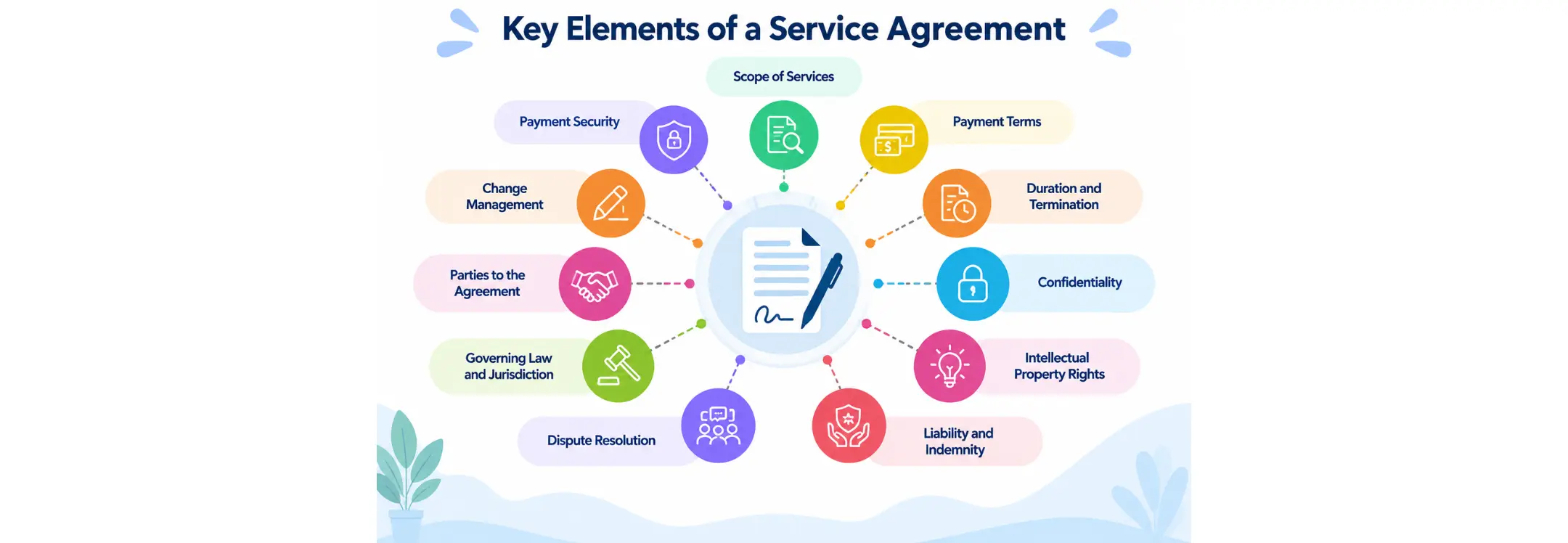

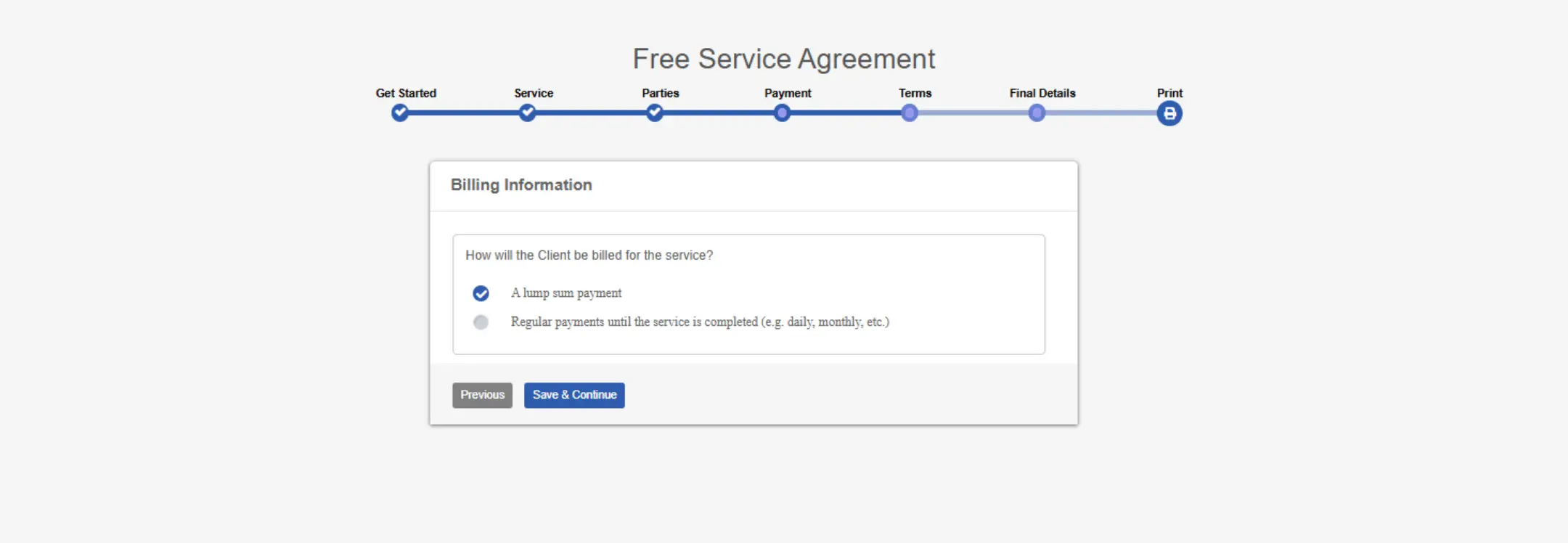




 Canada
 United States