

 Canada
 United States
Last Updated: April 20, 2026
TL;DR


- A Child Travel Consent Form is recommended for Canadians under 19 traveling without both guardians.
- Missing travel details or guardian signatures can lead to border delays or denied entry.
- Providing accurate contact information and emergency backups is vital for child safety.
- Explicitly authorizing medical care and specific activities prevents legal hurdles while abroad.
- Notarization is the most effective way to verify the authenticity of the document for officials.
- Using a professional platform like Ziji Legal Forms' Child Medical Form Template helps ensure all Canadian legal standards are strictly met.
Introduction: Why Child Travel Consent Forms Matter
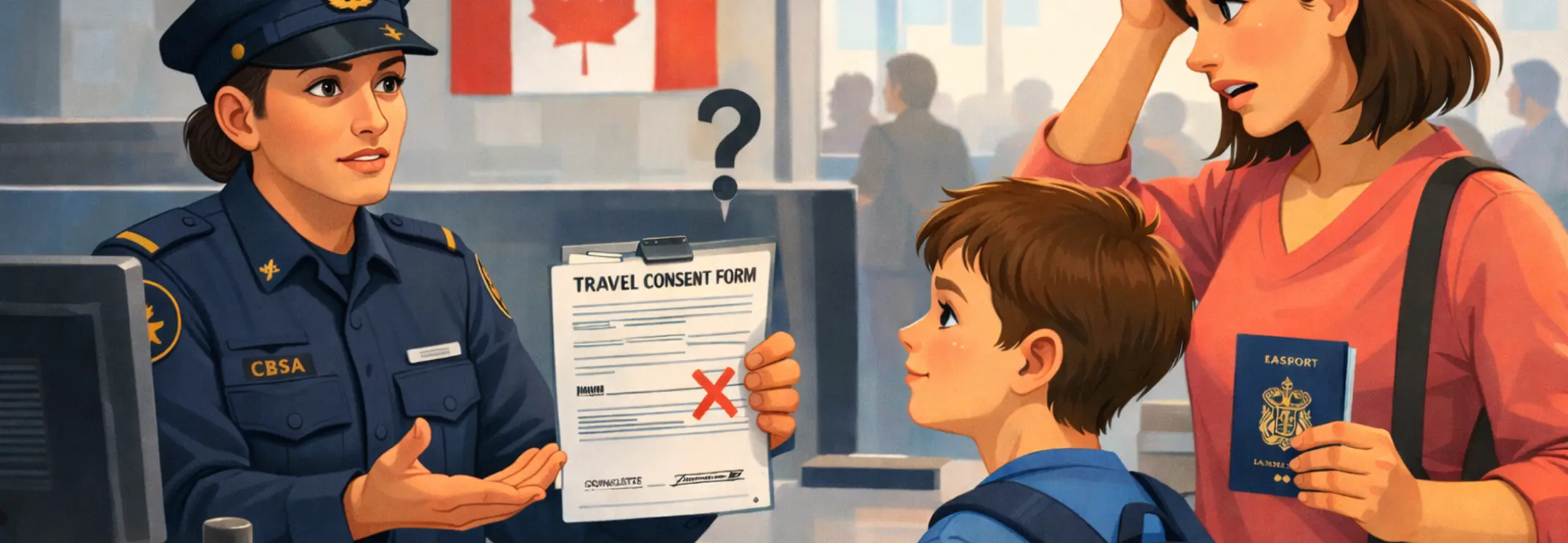
Traveling with children across international borders involves more than just packing passports and booking flights. For Canadian parents and guardians, the safety of a minor child is the highest priority, and the legal landscape reflects this through rigorous checks at border crossings. A Child Travel Consent Form is a written statement demonstrating that a minor has permission to travel from any parent or person with decision-making responsibility who is not accompanying them. While it is not a mandatory legal document under Canadian law, it is a critical administrative tool that facilitates smooth entry and exit from various countries around the world.
The primary objective of these forms is to protect children from the harmful effects of international child abduction and trafficking. Border officials are trained to be vigilant for children who may be traveling without proper authorization from all of their legal guardians. When a child arrives at a border with only one parent or with a relative, the officer may ask for proof that the trip was agreed upon by everyone who has a say in the child's upbringing. A clear, well-structured consent letter serves as that proof, providing the officer with the confidence needed to allow the child to proceed with their journey.
In the Canadian legal context, the concept of a minor depends on the age of majority in the child's home province or territory, which is typically 18 or 19 years old. Global Affairs Canada recommends that any child under the age of 19 carry a consent letter when traveling abroad without both legal guardians. This recommendation applies even if the child is 16 or 17 and possesses an adult passport, as foreign authorities may still have more restrictive rules regarding the movement of minors. The document is a small but essential piece of the travel puzzle that helps avoid unnecessary stress during family vacations or school trips.
Beyond the immediate requirements of border agents, transportation companies such as airlines and train services often have their own internal policies regarding unaccompanied minors or children traveling with only one parent. These companies may refuse boarding if the appropriate documentation is not presented at the gate, leading to ruined travel plans and financial loss. Therefore, understanding the nuances of the Child Travel Consent Form Canada is a responsibility that every guardian must take seriously before heading to the airport or a land border crossing.
The role of the Child Travel Consent Form template is to provide a standardized way to communicate these permissions clearly. By using a structured format, parents can ensure they do not omit vital information that an immigration officer might be looking for during a standard inspection. This proactive approach demonstrates a commitment to legal compliance and child safety, making it much easier for authorities to do their jobs effectively while keeping travelers on schedule.
Mistake 1: Not Specifying Clear Travel Details
A common error in drafting these documents is to provide vague or incomplete information regarding the trip itself. A Child Travel Consent Form must be specific to the journey being taken rather than acting as a blanket permission for any future travel. Providing a broad window of dates or failing to name the specific destinations can raise red flags for border officials who are trained to look for inconsistencies in travel plans. If the form does not clearly align with the child's actual flight or travel schedule, an officer may suspect that the trip has not been fully authorized as presented.
Why Authorities Check Itinerary Information
Immigration and border officials check itinerary information to ensure that the child is traveling to the locations that were originally approved by the non-traveling guardian. This verification process is a key part of international efforts to prevent the wrongful retention of children in foreign countries. By reviewing flight numbers, arrival dates, and departure times, officials can establish a clear timeline for the child's presence in a jurisdiction. This level of detail makes it significantly harder for an unauthorized individual to move a child to an undisclosed location without the knowledge of the other parent.
When an officer reviews a consent letter, they compare the details on the form with the information provided by the traveler during questioning. If the parent or supervisor claims they are visiting a specific city but the letter only mentions a general country, the discrepancy can lead to more intensive secondary inspections. Authorities prefer to see a precise roadmap of the child's movements, including layovers and multi-country stops, to ensure that the entire duration of the trip has been accounted for by those with legal decision-making responsibility.
Essential Travel Information
Every effective Child Travel Consent Form Canada should include the exact dates for both the departure from and the return to Canada. It is also crucial to list the specific address where the child will be staying, whether it is a hotel, a relative's house, or a school dormitory. Providing a contact number for the accommodation adds an extra layer of security, as it allows authorities to verify the child's whereabouts if an emergency arises during the trip. If the itinerary involves multiple locations, each one should be listed clearly with corresponding dates to provide a full picture of the journey.
Including the transportation details is another essential step in creating a robust document. This means listing the airline name, flight numbers, and even the cruise ship name or train route if applicable. These facts help verify that the child is following a legitimate travel path that has been pre-approved. When this information is presented clearly, it reduces the need for the border officer to ask follow-up questions, which can be particularly helpful when traveling with young children who may be tired or overwhelmed by the busy airport environment.
Border Control Verification
Border control verification is the final safeguard in the international travel process. Officers at both the Canadian border and foreign entry points have the authority to question anyone traveling with a minor. If the documentation is missing or looks suspicious, they may choose to delay the traveler until they can contact the non-traveling parent directly. This process can be time-consuming and stressful, especially if the non-traveling parent is in a different time zone and cannot be reached immediately.
To avoid these complications, parents should ensure that the travel details on the form are accurate and easy to read. A professionally prepared Online Child Travel Consent Form can help maintain this clarity by providing dedicated sections for every piece of the itinerary. By taking the time to double-check flight numbers and hotel addresses, guardians can significantly decrease the likelihood of facing hurdles at the border. Consistency between the consent form and the child's actual travel documents is the best way to ensure a fast and efficient crossing.
Mistake 2: Not Including All Legal Guardians
A significant misunderstanding in Canadian family law involves who actually needs to sign the travel consent document. Many people assume that only the primary caregiver or the parent who spends the most time with the child needs to provide permission. However, the modern legal framework in Canada focuses on decision-making responsibility rather than just physical custody. Any person who holds this responsibility must grant their consent for a minor to travel across international borders without them. Failing to include all relevant guardians is one of the most common reasons for documents being rejected at the border.
Risks of Incomplete Guardian Signatures
The risks associated with missing signatures are substantial and can lead to the child being prevented from leaving or entering a country. Border officials are trained to look for the consent of all legal guardians to ensure that the child is not being taken away in violation of a court order or parenting agreement. If a parent traveling alone with a child cannot produce a letter signed by the other parent, the officer may suspect a risk of abduction. This is especially true in cases where parents are separated or divorced and there is a history of conflict regarding travel or residence.
In some cases, airlines may refuse to board a child even if the destination country does not strictly require the letter, simply to protect themselves from legal liability. An incomplete form acts as a red flag for airline staff who are tasked with following international safety protocols. By ensuring that every person with legal decision-making power has signed the form, you provide the necessary legal coverage for the airline and the border authorities to allow the trip to proceed without incident.
When Both Parents Must Consent
In Canada, both parents generally must consent to international travel regardless of whether they are married, in a common-law relationship, or living apart. If the parents are separated and share decision-making responsibility, the traveling parent should carry a letter signed by the non-traveling parent. Even if one parent has been granted the right to make travel decisions alone in a parenting order, it is still highly recommended to have a consent letter from the other parent to avoid any confusion at the border.
If the child is traveling with someone other than their parents, such as a grandparent, an aunt, or a family friend, then both parents must sign the consent letter. This rule applies to school trips and sports tournaments as well, where teachers or coaches are the ones supervising the minors. The goal is to show that the legal guardians have delegated their supervision authority to a specific adult for a specific period of time. This clarity protects both the child and the supervisor while they are in a foreign jurisdiction.
Legal Consequences of Missing Signatures
The legal consequences of missing signatures can extend far beyond the airport terminal. If a child is moved across international borders without the consent of all legal guardians, it may be considered a wrongful removal under the Hague Convention on the Civil Aspects of International Child Abduction. This can trigger international legal proceedings that require the immediate return of the child to Canada. These situations are incredibly stressful for everyone involved and can lead to long-term legal complications regarding parenting time and decision-making rights.
To prevent these outcomes, it is essential to be transparent and cooperative with all legal guardians during the travel planning process. If a parent is genuinely unreachable or refuses to sign without a valid reason, the traveling parent may need to apply to a Canadian court for a specific order that allows the travel to occur without that signature. Carrying a copy of such a court order alongside the consent form is the best way to prove to border officials that the trip is legally authorized despite the missing signature.
Mistake 3: Vague or Incomplete Guardian Information
Providing thorough and accurate information about the guardians is just as important as the details about the child. A common mistake is listing only the names of the parents without providing their current contact information or residential addresses. Border officials need to know exactly how to reach the person who signed the letter if they have any questions about the travel arrangements. Vague details make it difficult for authorities to perform their due diligence, which can lead to the traveler being detained until the information can be verified through other means.
Verification Requirements During Travel
Verification requirements at the border can be unpredictable, and an officer may choose to call the non-traveling parent at any time during the inspection. If the telephone numbers provided on the consent form are incorrect or disconnected, the officer may not allow the child to proceed. It is vital to provide both a primary and a secondary phone number, such as a mobile and a work number, to ensure that someone is always reachable. Including an email address is also a good practice, as it provides an alternative method of communication if phone lines are down.
In addition to contact numbers, the form should clearly state the relationship of the person signing the letter to the child. This helps the officer understand the legal authority behind the consent. Whether the signer is a biological parent, an adoptive parent, or a court-appointed guardian, this fact should be explicitly noted on the document. Clear labeling of these roles prevents confusion and helps the officer quickly assess the validity of the permission being granted.
Problems During Emergencies
Incomplete guardian information becomes a critical problem during a medical or legal emergency abroad. If a child is injured or becomes ill, the accompanying adult must be able to reach the parents quickly to discuss treatment options. If the consent form lacks the correct contact details, medical staff may be forced to make decisions without the parents' input, which can be a frightening situation for everyone involved. Having accurate, up-to-date information on the form ensures that the lines of communication remain open regardless of the distance between Canada and the destination.
Furthermore, if the child loses their passport or other travel documents, the Canadian embassy or consulate will need to contact the parents to begin the replacement process. Without clear contact info on the consent letter, this administrative process can be significantly delayed, potentially extending the child's stay in a foreign country longer than intended. By providing comprehensive guardian details, you are creating a safety net that protects your child in various unforeseen circumstances.
Information Format Requirements
The format of the guardian information should be professional and easy to read. Using an Online Child Travel Consent Form ensures that all the necessary fields are filled out correctly and that the text is legible. Handwriting that is difficult to decipher can lead to mistakes when an officer tries to dial a phone number or enter an address into their system. A printed form with clear, typed information is always preferred by border agencies because it minimizes the risk of human error during the verification process.
Including a physical address is also a requirement that should not be overlooked. The address provided should be the actual residence of the guardian, not just a post office box. This provides authorities with a physical location that can be verified if necessary. For parents who live in separate homes, both residential addresses should be included on the form to provide a complete picture of the child's domestic situation in Canada. This transparency is valued by border officials and helps demonstrate that the traveler has nothing to hide.
Mistake 4: Forgetting Emergency Contact Information
While much of the focus is on the parents and the traveling supervisors, many people forget to include a secondary emergency contact person. Relying solely on the parents can be problematic if they are the ones traveling or if they are in a location with limited cell service. An emergency contact serves as a backup who can be reached if the primary guardians are unavailable during a crisis. This individual should be a trusted adult who is staying in Canada and is aware of the child's travel plans.
Secondary Contact Necessity
A secondary contact is necessary because it provides an additional layer of security for the child. In a situation where both parents are traveling together and their mobile phones are lost or out of range, having the name and number of a relative or friend back home can be a lifesaver. This person can act as a coordinator, helping to relay messages between authorities and the family. For children traveling on school trips, the secondary contact might be a designated school official who can help manage the situation from the Canadian side.
This contact person should be someone who is reliable and who has the ability to act quickly if needed. It is important to ask for their permission before listing them on the Child Travel Consent Form Canada, as they may be contacted by border officials or medical personnel. Providing them with a copy of the child's itinerary and the consent form is also a good idea so that they have all the relevant information at their fingertips if the phone rings.
Reachable Adult Requirements
The person listed as an emergency contact must be an adult who is easily reachable. Listing a grandparent who does not use a mobile phone or a friend who is also on vacation may not be the best choice. The goal is to ensure that there is always a reachable adult who can provide information about the child's identity or medical history if the primary supervisors are incapacitated. This is a simple step that takes very little time to complete but can make a world of difference in a stressful situation.
When adding these details to your Child Travel Consent Form template, make sure to include the person's full legal name and their relationship to the child. Clear labels like Aunt or Family Friend help authorities understand the person's role in the child's life. This clarity is essential for effective communication and helps build trust with the officials who are tasked with protecting your child's well-being while they are away from home.
Mistake 5: Not Authorizing Specific Activities
Another common mistake is creating a document that is too narrow in its scope. While the primary purpose is to authorize travel, the form should also address the activities the child will be participating in and the medical decisions that may need to be made. A generic permission to travel statement might not be enough if the child needs to participate in a high-risk sport or if they require emergency surgery while abroad. Including specific authorizations ensures that the child is protected in a variety of scenarios.
Why Activity-Specific Permissions Matter
Activity-specific permissions matter because different organizations and foreign countries have their own legal requirements for minor participation. For example, a school in a foreign country might require proof of parental consent before allowing a Canadian exchange student to go on a local field trip. If the travel consent form already includes a clause that permits the child to participate in such activities, it saves time and prevents the child from being left out of important educational experiences.
Medical authorization is perhaps the most important specific permission to include. It grants the accompanying adult the legal authority to consent to emergency medical treatment if the parents cannot be reached. Without this clause, doctors in a foreign country may be legally barred from providing certain types of care until they can obtain direct consent from the parents, which can be a dangerous delay in a life-threatening situation. By including this language in your Child Travel Consent Form Canada, you are empowering the supervisors to act in your child's best interests at all times.
Travel Activity Examples
Parents should think about the nature of the trip and tailor the authorizations accordingly. If the child is traveling for a sports competition, the form should mention participation in the tournament and any related training. If the trip is for a religious or cultural event, those activities should be noted as well. This specificity shows that the parents have a full understanding of the trip's purpose and have provided their informed consent for all its components.
Other examples of activities that might require specific mention include international student exchanges, organized camping trips, or volunteer programs. In each case, naming the organization and the types of activities involved adds an extra layer of validity to the document. This thoroughness is appreciated by border officials and group leaders alike, as it clearly outlines the boundaries of the supervisor's authority while the child is in their care.
Mistake 6: Missing Signatures and Witness Requirements
The final and perhaps most critical mistake is failing to have the form signed and witnessed correctly. A Child Travel Consent Form Canada that is not signed by the right people or that lacks a proper witness can be easily dismissed as fraudulent. In the eyes of a border official, a simple note from a parent is not enough to prove that the consent is genuine. They look for signs of formal authentication to ensure that the document was signed by the actual legal guardians and not someone else pretending to be them.
Signature Validity Requirements
For a signature to be valid, it must be an original, handwritten signature from every parent or person with decision-making responsibility who is not traveling. Photocopies or digital versions are often viewed with suspicion because they can be more easily altered. Both parents should sign the document if they both have legal authority over the child. If only one parent has sole decision-making responsibility, they should be prepared to provide a court order as proof of their status alongside their single signature on the consent letter.
It is also important to ensure that the signatures are dated. A consent letter that was signed a year ago might be considered outdated by an immigration officer who wants to see proof of current permission for the specific trip being taken. Ideally, the document should be signed as close to the travel date as possible to demonstrate that the guardians are fully aware of and still agree to the journey. This attention to detail reflects well on the traveler and helps speed up the inspection process.
When Witnesses Are Necessary
In Canada, any adult who has reached the age of majority in their province can witness the signing of a travel consent letter. The witness's role is to confirm that they saw the person sign the document and that the signer is who they claim to be. While a friend or neighbor can act as a witness, using a professional such as a notary public is much more effective. The witness should provide their full name, address, and signature on the form so that they can be contacted if the document's authenticity is ever questioned.
Using a witness adds a layer of accountability to the document. It shows that the signing process was not done in secret and that there is a third party who can verify the guardians' intent. This is especially important for international travel, where officials have no way of knowing the family's personal situation and must rely entirely on the strength of the documentation presented to them. A well-witnessed form is a powerful tool for ensuring a smooth border crossing.
Notarization Requirements
While Canadian law does not strictly require a travel consent form to be notarized, the federal government and border agencies strongly recommend it. A notary public is a legal official who has the power to administer oaths and verify identities. When a notary seals a document, they are providing a professional guarantee that the person signing it has shown them valid government photo identification. This super-evidence is highly valued by border officials both in Canada and abroad.
For travel to certain countries, such as Mexico or the United States, a notarized letter is often treated as a requirement rather than a recommendation. Airline agents are also more likely to accept a notarized document without question, as it follows international standards for legal authentication. Taking the extra step to get your Online Child Travel Consent Form notarized is one of the best ways to protect your family from unnecessary delays or legal complications during your trip. It is a small investment of time and money that provides significant peace of mind.
How to Create a Child Travel Consent Form Using Ziji Legal Forms
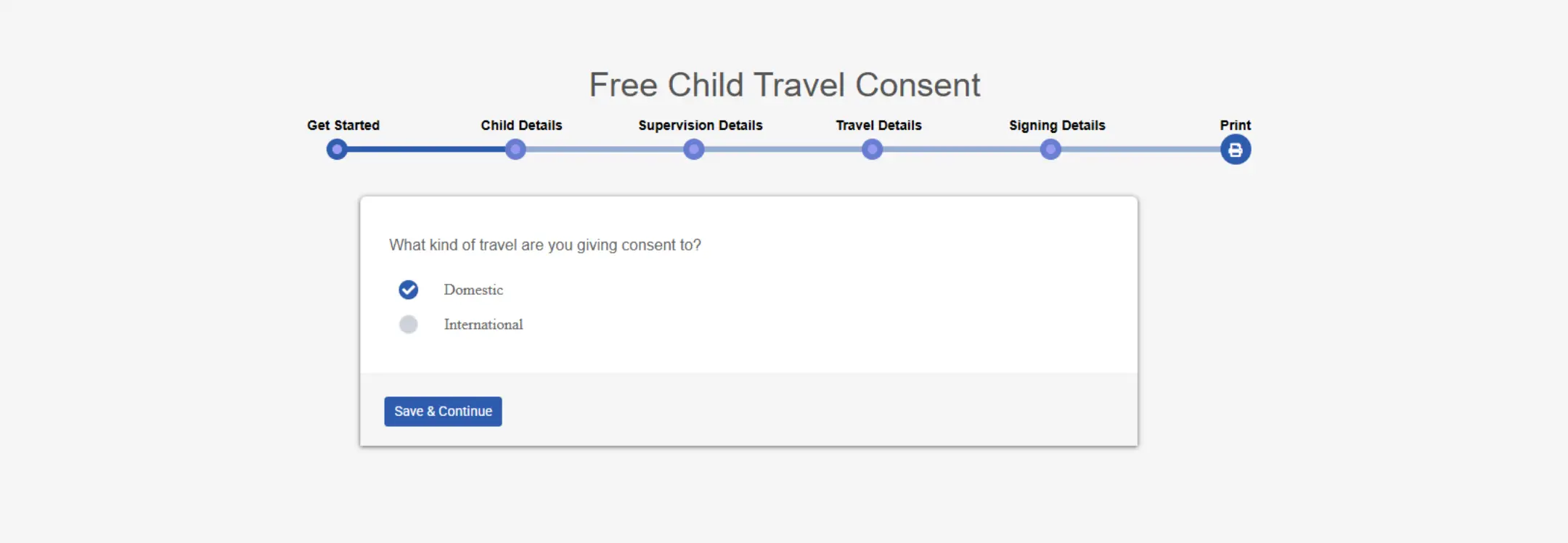
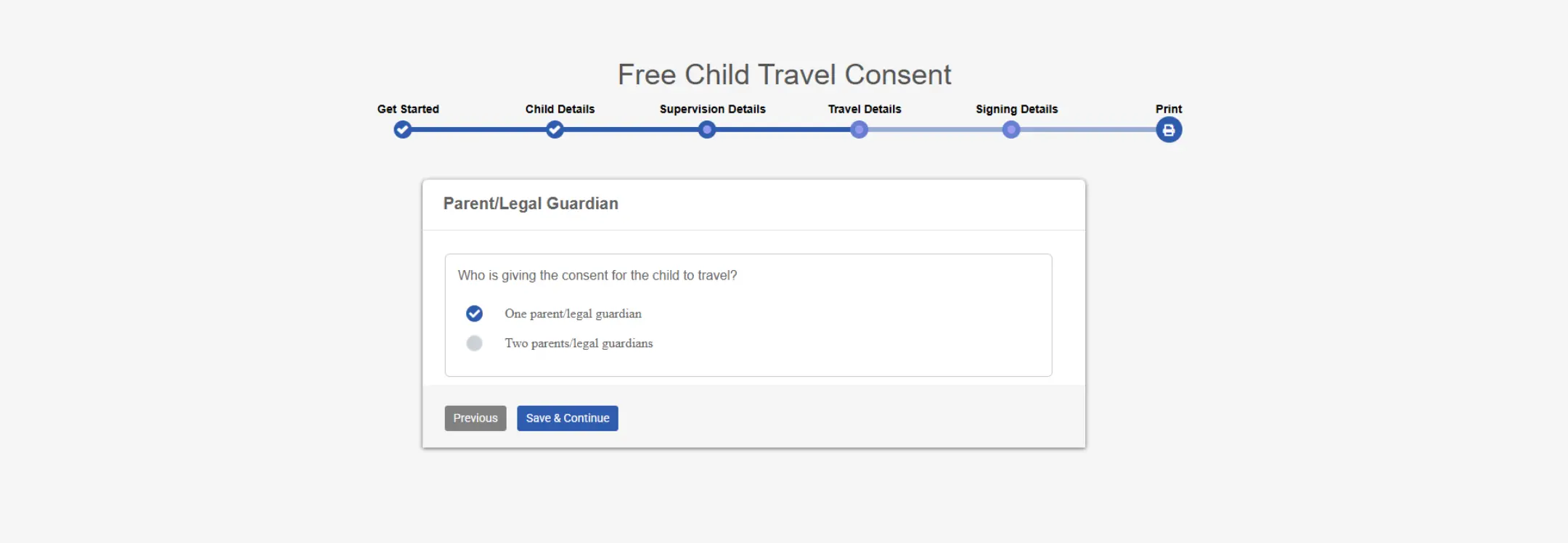
Creating a document that meets all the recommended Canadian standards can feel overwhelming, but the right tools make the process simple and efficient. Ziji Legal Forms offers a user-friendly platform that guides you through every step of the creation process, ensuring that no vital information is missed. By following a structured approach, you can generate a professional document that is ready for signing and notarization in just a few minutes.
1. Choose template
Visit Ziji Legal Forms and select the appropriate Canadian child travel consent form from the library to ensure the language matches national recommendations.
2. Add Child Details
Enter the minor child's full legal name and date of birth exactly as they appear on their official government identification.
3. Add Supervision Details
Specify the names and contact information for the adults who will be responsible for the child during the journey.
4. Add Travel Information
Provide the complete itinerary including flight numbers and specific dates of travel plus the addresses of every planned accommodation.
5. Preview and Print
Review the final document for accuracy before printing it out for the legal guardians and witnesses to sign.
Using Ziji Templates Reduces Common Mistakes
The advantage of using a professional template is that it acts as a checklist for the user. It prompts you to include things like emergency contact info and medical authorizations that you might otherwise forget if you were drafting the letter from scratch. This structured approach ensures that you are following the best practices recommended by Global Affairs Canada and the Canada Border Services Agency. A professional-looking form also builds confidence with border officials, who are more likely to process a clear document quickly than a handwritten note.
Furthermore, Ziji templates are updated regularly to reflect changes in Canadian family law, such as the shift in terminology to decision-making responsibility. This ensures that your document uses the correct legal language that officials expect to see in the modern travel landscape. By using a trusted resource, you can focus on the excitement of your trip knowing that your legal paperwork is in order and that your child's safety is well-protected.
Conclusion: Ensure Smooth and Authorized Travel for Your Child
Taking the time to draft a thorough Child Travel Consent Form Canada is a critical responsibility for every parent and guardian. By avoiding common mistakes like vague itineraries or missing guardian signatures, you significantly reduce the risk of facing stressful delays at the border. Utilizing professional tools such as Ziji Legal Forms ensures that your documentation meets all recommended standards for a safe and successful journey.
Child Travel Consent FAQs
What else can a child travel consent be called?
A child travel consent can also be referred to as follows: child travel consent form, consent letter for travel, travel consent letter, or travel authorization letter/form.
What is a child travel consent form?
A child travel consent form grants a minor child the authorization to travel with an adult who is not the parent or legal guardian, or to travel alone. This form is required for both domestic and international travel involving minors. If the trip involves multiple destinations, please consider including a travel consent form for each leg of the trip.
What is a minor?
Individuals under 18 years of age are considered to be a minor in most jurisdictions.
Why do you need a child travel consent form?
Many jurisdictions are trying to tackle the serious issue of child abduction and have established regulations relating to a minor’s ability to travel. Having a signed child travel consent can prevent border authorities from stopping or delaying your child’s trip because the child travel consent form demonstrates the minor child has received parental approval to travel.
Some common situations where you need to use a child travel consent form are as follows:
- The child travels with one parent while the parents are legally separated or divorced.
- The child travels alone to meet her parent or legal guardian, or extended family members such as aunts, uncles, and grandparents.
- The child goes on vacation with extended family members.
- The child travels with teachers and students during a school trip, with a sports team, or with a religious organization.
- The child travels alone to study at a boarding school.
Do you need to notarize a child travel consent form?
While not required, many border authorities have recommended notarizing the child travel consent form since it is the best practice. Having a notarized child travel consent form serves is the best evidence the child has received parental permission to travel and it is less likely the child’s travel will be questioned or delayed by border authorities.
Can a child travel consent be used for multiple trips?
Yes. The form can be written to cover more than one journey, such as recurring visits to family or participation in ongoing activities. It’s best to specify travel dates and destinations to prevent any confusion with authorities or travel staff.
Who is allowed to accompany the child under a travel consent?
Any responsible adult aged 18 or older can be designated in the form. This may include grandparents, aunts or uncles, family friends, coaches, or teachers. Choose someone you trust to supervise your child and manage any situations that may arise during the trip.
What details should be included in a child travel consent form?
The consent should list the child’s full name, date of birth, travel dates, and destinations. Include the accompanying adult’s name and contact information, as well as the parents’ or legal guardians’ names, contact details, and signatures. You can also note any special instructions or relevant medical information.
Is a child travel consent necessary for domestic flights?
Some airlines require extra documentation when a minor is traveling without one or both parents, even within the same country. Checking the airline’s rules ahead of time and having a consent form ready can help prevent delays or complications at check-in.
Why should a child travel consent be notarized?
While notarization is not always legally required, it strengthens the credibility of the document. A notarized consent verifies the signatures, making it more likely to be accepted by border officials, airlines, and other authorities, and reduces the chance of travel delays.
What jurisdictions can use our child travel consent form?
You can use our template to create a legal and valid child travel consent form for the following jurisdictions:
Alberta British Columbia Manitoba New Brunswick Newfoundland and Labrador Northwest Territories Nova Scotia Nunavat Prince Edward Island Saskatchewan Yukon | AB BC MB NB NL NT NS NU PE SK YT |
GET STARTED FOR FREE Create your
Get Started For Free
Create your
Child Travel Consent
in minutes
Get Started For Free Related Family Blogs
If our legal documents helped you today, we’d truly appreciate your feedback.
Your review helps others make informed decisions and helps us improve our platform for everyone.
We never offer incentives for reviews. Your honest feedback helps us improve.